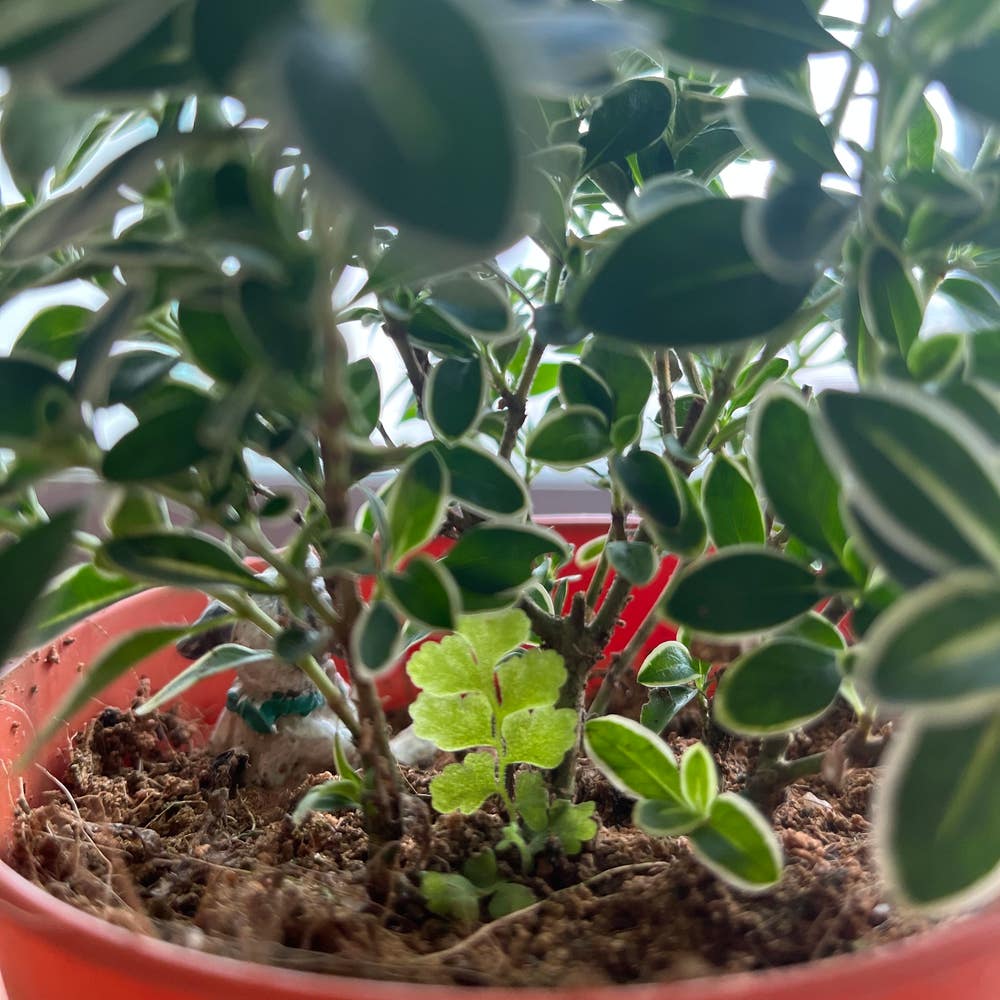
Why Are There Brown Spots on My Snowrose Leaves?
Serissa japonica
By the Greg Editorial Team
Jun 18, 2024•4 min read
This article was created with the help of AI so we can cover more plants for you. May contain errors. See one? Report it here.
- 🍂 Brown spots can be fungal or environmental; yellow halos are a bad sign.
- Fungal diseases like anthracnose and rust often cause brown spots on Snowrose.
- Prevent spots with proper watering, light, and cleanliness.
Spotting the Trouble: Recognizing Brown Spots
🕵️ Visual Clues
When your Snowrose starts sporting brown spots, it's not just changing its look for the fall season. These spots can range from subtle speckles to more pronounced patches, and they might feel dry and crispy or mushy and damp. The edges or centers of the leaves are prime targets for these blemishes. If you see a yellow halo around the spot, that's your plant's version of a red flag.
Not All Spots Are Created Equal
Quick tip: consistency is your clue. A random spot here and there might just be your Snowrose's version of a beauty mark, but a pattern of spots is like a blinking neon sign pointing to trouble. Look for repetition in the spots to distinguish between a harmless quirk and a potential cry for help. Remember, not every brown spot is a death sentence for your plant, but they're all worth a closer look.

The Usual Suspects: Pinpointing the Cause
🍄 Fungal Foes
Anthracnose and rust are the main fungal villains attacking your Snowrose. Anthracnose marks its territory with irregular brown spots that may merge into larger areas, often surrounded by a yellow halo. These lesions can cause leaves to fall off prematurely. Rust is more flamboyant, flaunting orange to brown pustules that can warp and crack the leaf surface.
🌿 Environmental Culprits
Your Snowrose might be signaling distress through those brown spots. Overwatering, poor air circulation, and incorrect lighting can stress the plant, making it a magnet for fungal infections. Thrips, tiny sap-sucking insects, could also be partying at your Snowrose's expense, leaving behind telltale spots.
Care routines matter. Too much love in the form of water or too little light can invite the fungal feast. It's a balancing act – keep the soil moist but not soggy, and provide bright, indirect light. Remember, a happy Snowrose is less likely to host unwanted fungal gatherings.

Nipping It in the Bud: Effective Treatments
🍄 Fungus Among Us: Battling Leaf Spot Diseases
Fungal invaders on your Snowrose don't stand a chance if you act swiftly. Here's the game plan:
- Isolate the affected plant to prevent the fungal fiesta from spreading.
- Prune the damaged leaves with the precision of a ninja—clean cuts, no mercy.
- Mix up a home remedy of baking soda, liquid soap, and water. Spray with gusto, coating every leaf like it's going out of style.
- If the fungus laughs in the face of your homemade concoction, bring out the big guns: copper fungicides. Follow the label like it's your plant's new bible.
- Rotate your fungicides to keep the fungus guessing—diversity is key.
- Stay vigilant. Repeat treatments every two weeks and keep an eye out for new spots.
🌿 Environmental Adjustments
Your Snowrose's environment might be the stage for this brown spot drama. Time for some scene changes:
- Water wisely. Aim for the soil, not the foliage. Early morning is showtime—leaves dry out before nightfall.
- Air circulation is your plant's best friend. Think of it as the plant's personal space—no crowding allowed.
- Light exposure matters. Too much or too little, and you're asking for trouble. Find that sweet spot.
- Cleanliness is next to godliness. Keep the area around your Snowrose as tidy as a monk's living quarters.
- Humidity control is crucial. If you're using saucers, make sure they're not turning into mini swimming pools.
Remember, your Snowrose is a living thing, not just decor. Treat it right, and it'll be less of a diva about brown spots.

Keeping Spots at Bay: Prevention Tactics
🌱 Cultural Best Practices
Sanitation is your plant's shield. Sterilize your tools before each use—think of it as hygiene for plant health. Keep fallen leaves and debris cleared away; they're not just untidy, they're an invitation for fungal gate-crashers.
🌿 Environmental Harmony
Airflow is the Snowrose's bestie. Space your plants so they're not gasping for breath in a crowd. Watering should be a covert operation—target the soil, not the leaves, to avoid fungal raves. And remember, your Snowrose craves bright, indirect light; too much sun and it's a crispy critter, too little and it's a sad shadow dweller.
Humidity needs to be just right. Think of saucers as raincoats for the roots, keeping moisture levels in check. Pruning isn't just a trim; it's a strategic strike for better air circulation and fewer damp, spotty incidents.
Lastly, be the guardian your Snowrose deserves. Regular inspections can thwart an outbreak before it becomes a brown spot saga.
⚠️ Safety First
This content is for general information and may contain errors, omissions, or outdated details. It is not medical, veterinary advice, or an endorsement of therapeutic claims.
Always consult a qualified healthcare professional before using any plant as food, medicine, or supplement.
Never eat any plant (or feed one to pets) without confirming its identity with at least two trusted sources.
If you suspect poisoning, call Poison Control (800) 222-1222, the Pet Poison Helpline (800) 213-6680, or your local emergency service immediately.
Spotted an error? Please report it here.
Keep your Snowrose spot-free 🍃 with Greg's personalized care plans that help you adjust watering and lighting to prevent those pesky brown spots!