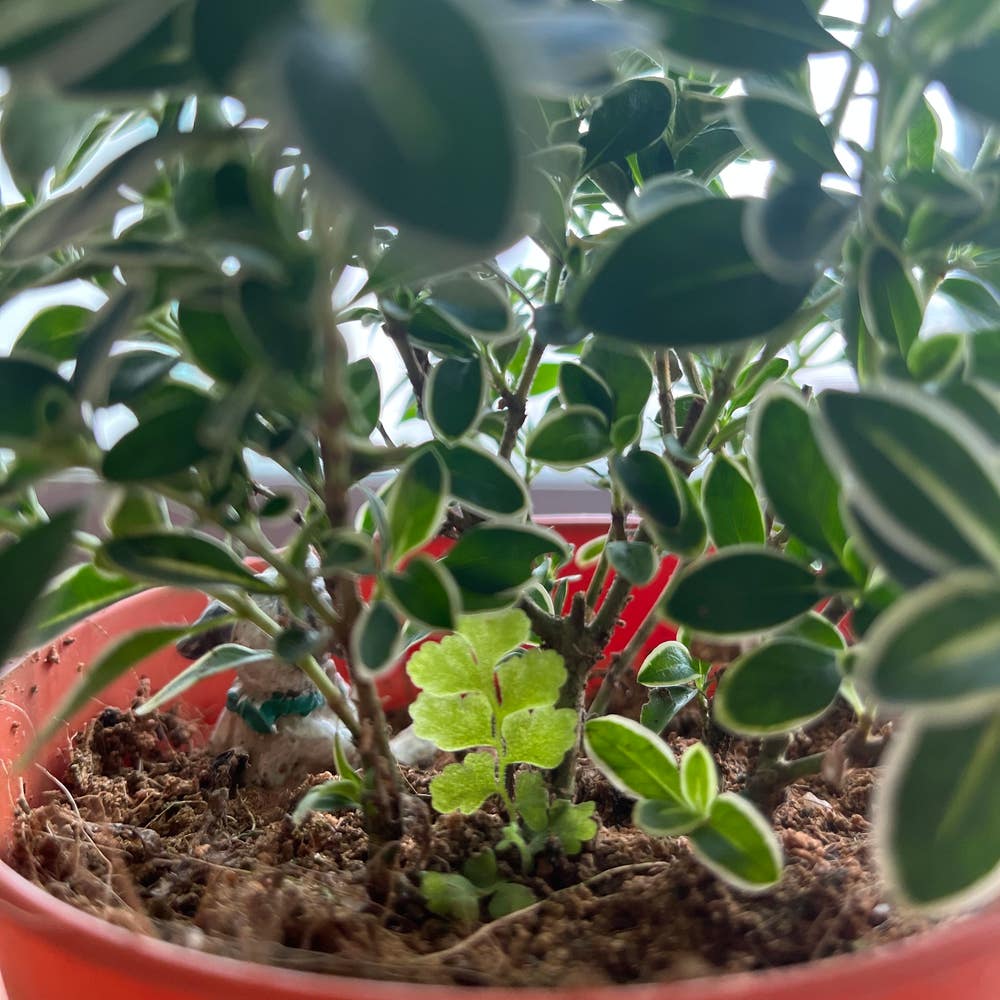
❄️ Mature Height of Your Snowrose
Serissa japonica
By the Greg Editorial Team
Oct 02, 2024•5 min read
This article was created with the help of AI so we can cover more plants for you. May contain errors. See one? Report it here.
- 🌱 Snowroses grow 3 to 6 feet tall, with some reaching up to 8 feet.
- ☀️ Optimal conditions yield 12 to 24 inches of growth annually; sunlight is key!
- 🌼 Mature height takes 3 to 5 years, varying by cultivar and care.
Mature Height and Spread
Height 🌱
Snowrose plants typically reach a height range of 3 to 6 feet (0.9 to 1.8 meters). If you're looking for something grander, giant varieties can soar up to 8 feet (2.4 meters), while dwarf varieties stay compact, generally measuring between 1 to 3 feet (0.3 to 0.9 meters).
Spread Dimensions 📏
When it comes to spread, expect an average of 3 to 5 feet (0.9 to 1.5 meters). However, this can vary significantly based on the specific cultivar and the growing conditions they experience.
Understanding these dimensions helps you plan your garden layout effectively, ensuring your Snowrose has enough space to thrive. Now that you know about height and spread, let’s explore how growth rates can impact your Snowrose's journey to maturity.
Growth Rate
Average Growth Rate in Optimal Conditions 🌱
The snowrose typically grows at a rate of approximately 12 to 24 inches (30 to 61 cm) per year. To achieve this impressive growth, ensure your plant receives adequate sunlight, is planted in well-drained soil, and is regularly watered.
Variability in Growth Rate 🌦️
However, growth can vary significantly based on environmental factors. Poor soil quality can lead to slower growth rates, while inadequate sunlight may stunt growth and reduce flowering, leaving your snowrose less vibrant than it could be.
Understanding these factors can help you create the ideal conditions for your snowrose to thrive. With the right care, you’ll be rewarded with a flourishing plant that enhances your garden's beauty.
As we explore the timeline for maturity, you'll see how these growth rates translate into the overall development of your snowrose.
Time to Reach Full Size
📅 Timeline for Maturity
The snowrose typically takes about 3 to 5 years to reach its mature height. Dwarf varieties, however, can surprise you by maturing faster than their larger counterparts.
🌱 Stages of Growth and Development
Understanding the growth phases of your snowrose can help you appreciate its journey.
Initial Growth Phase
In the first 1 to 2 years, the plant focuses on establishing its roots. This foundational stage is crucial for future growth.
Mid-Growth Phase
From years 2 to 4, you’ll notice significant height increases. During this phase, the snowrose begins to stretch and fill out, showcasing its potential.
Maturity Phase
By the 4 to 5-year mark, your snowrose should reach its full size and start flowering. This is when all your patience pays off with vibrant blooms.
With a clear understanding of these timelines and growth stages, you can better care for your snowrose and enjoy its beauty as it matures. Next, let’s explore how different varieties can impact the overall size and appearance of your snowrose.
Size Variability Among Varieties
Differences Between Varieties 🌱
Snowrose plants come in various sizes, catering to different gardening needs. Dwarf varieties, typically ranging from 1 to 3 feet tall, are perfect for small gardens or container planting.
On the other hand, giant varieties can reach impressive heights of up to 8 feet, making them ideal for expansive landscapes. Their larger footprint can create stunning focal points in any garden.
Characteristics of Common Cultivars 🌼
When selecting a Snowrose, it's essential to consider the characteristics of popular cultivars. For instance, some cultivars may have a height of 3 to 5 feet, while others may spread wider, enhancing your garden's visual appeal.
Unique features also play a role in cultivar selection. Flower color can vary significantly, from vibrant hues to subtle pastels, while foliage density can affect the overall look and feel of your garden. Adaptability to different climates and soil types further enhances their appeal, ensuring there's a Snowrose for every gardener's needs.
Understanding these size variabilities and characteristics will help you choose the perfect Snowrose for your space. Next, let’s explore how growing conditions impact the size of these beautiful plants.
Impact of Growing Conditions on Size
🌱 Soil Type and Its Effect on Growth
The right soil is crucial for your Snowrose's health. Aim for well-drained, loamy soil with a pH between 6.0 and 7.5 to promote robust growth.
Poor drainage can spell trouble, leading to root rot and stunted growth. Always check your soil's drainage capabilities before planting.
☀️ Sunlight and Water Requirements
Snowroses thrive in full sun, requiring 6 to 8 hours of sunlight daily. This exposure helps them grow strong and vibrant.
Watering is equally important; maintain consistent moisture without waterlogging. A balanced approach ensures your plant stays hydrated without drowning.
🌡️ Climate Considerations
Snowroses are best suited for USDA hardiness zones 5 to 9. Knowing your zone helps you understand how well your plant will adapt to local conditions.
Temperature extremes can affect both growth and flowering. Protect your Snowrose from harsh conditions to ensure it flourishes beautifully.
Understanding these growing conditions empowers you to cultivate a healthy Snowrose. With the right care, you can enjoy its stunning blooms for years to come.
Controlling Size Through Pruning
🌿 Best Practices for Pruning
Pruning your Snowrose is essential for maintaining its size and shape. The best time to prune is late winter to early spring, just before new growth begins.
To achieve the desired height, focus on thinning out older branches. This not only shapes the plant but also encourages healthier growth.
🌸 Impact of Pruning on Flowering and Overall Health
Pruning offers several benefits, including improved air circulation and increased flowering potential. When done correctly, it can lead to a more vibrant and lush plant.
However, be cautious not to over-prune. Excessive cutting can stress the plant and reduce blooming, counteracting your efforts to control its size.
By following these pruning practices, you can keep your Snowrose healthy and thriving. Next, let’s explore how different growing conditions can impact its overall size.
⚠️ Safety First
This content is for general information and may contain errors, omissions, or outdated details. It is not medical, veterinary advice, or an endorsement of therapeutic claims.
Always consult a qualified healthcare professional before using any plant as food, medicine, or supplement.
Never eat any plant (or feed one to pets) without confirming its identity with at least two trusted sources.
If you suspect poisoning, call Poison Control (800) 222-1222, the Pet Poison Helpline (800) 213-6680, or your local emergency service immediately.
Spotted an error? Please report it here.
Nurture your Snowrose to its full potential 🌱 with Greg's personalized care tips and watering reminders, ensuring a vibrant and flourishing garden centerpiece!