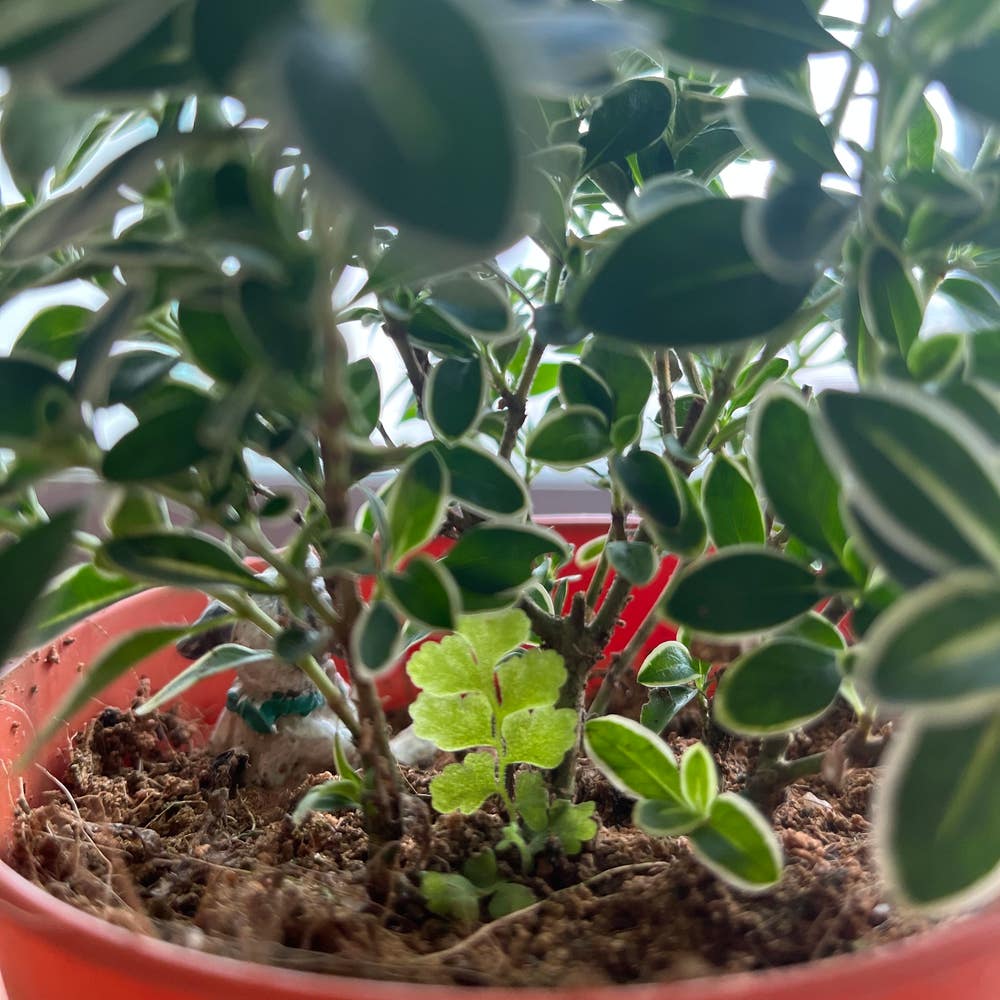
❄️ Snowrose Varieties that Belong in Your Garden
Serissa japonica
By the Greg Editorial Team
Oct 02, 2024•4 min read
This article was created with the help of AI so we can cover more plants for you. May contain errors. See one? Report it here.
- 🌼 Snowrose varieties offer diverse growth habits, perfect for any garden space.
- 🌈 Enjoy vibrant blooms throughout the season with various Snowrose cultivars.
- 🌿 Resilient and low-maintenance, Snowrose thrives in diverse conditions and requires minimal care.
Popular Snowrose Cultivars
🌼 Commonly Grown Cultivars
Snowrose cultivars are a delightful addition to any garden, each offering unique growth habits. You’ll find compact varieties that fit snugly in smaller spaces, while sprawling types can create a lush, cascading effect.
When it comes to flowering, these cultivars boast diverse patterns and bloom times. Some bloom early in the season, while others may surprise you with late-season flowers, ensuring your garden remains vibrant throughout the year.
🌟 Unique Characteristics
What sets each Snowrose cultivar apart are its distinctive features. For instance, some have a captivating fragrance that can fill your garden with delightful scents, while others showcase unique leaf shapes that add visual interest.
Resilience to pests is another key trait. Many cultivars have adapted to thrive in specific environments, making them not just beautiful but also practical choices for your garden. Whether you’re dealing with drought or humidity, there’s likely a Snowrose that fits your needs perfectly.
Incorporating these popular cultivars into your garden can enhance both its beauty and functionality. As you explore the world of Snowroses, consider how their unique traits can complement your gardening style.
Color Variations
🎨 Palette of Colors
Snowrose cultivars offer a stunning array of colors that can elevate any garden. The most commonly grown hues include white, pink, red, and purple, each bringing its unique charm to the landscape.
In addition to these popular shades, rare color variations can add a touch of intrigue. These uncommon colors not only stand out but also create focal points that can enhance your garden's overall design.
🌈 Impact on Garden Aesthetics
Color variations in Snowrose significantly influence garden themes and styles. For instance, a vibrant mix of pink and red can create a romantic atmosphere, while white flowers lend an air of elegance and tranquility.
When planning your garden, consider pairing Snowrose with complementary plants. Combining these colorful blooms with greenery or contrasting colors can create a visually appealing and harmonious space.
Size Differences
Growth Size and Form 🌱
When it comes to Snowrose cultivars, size matters. Dwarf varieties typically reach heights of 12 to 18 inches, making them perfect for small spaces or container gardening.
In contrast, standard-sized cultivars can grow up to 3 feet tall, offering a more substantial presence in your garden. Understanding these differences is crucial for effective garden spacing and design.
Considerations for Garden Planning 🏡
The height and spread of Snowrose varieties significantly influence their placement in garden layouts. Taller cultivars can serve as focal points or backdrops, while dwarf varieties work well as borders or ground cover.
To select the right size for your garden style, consider the overall design and desired visual impact. Mixing sizes can create depth and interest, enhancing your garden's aesthetic appeal.
Special Care Requirements
Watering and Sunlight Preferences 🌞
Snowrose varieties have unique care needs that can significantly impact their growth. Popular cultivars often thrive in full sun, requiring at least six hours of direct sunlight daily.
Rare varieties might be more adaptable, but they still need careful attention to watering. A general rule is to water deeply but infrequently, allowing the soil to dry out between sessions.
Soil and Fertilization Needs 🌱
Soil preferences vary among Snowrose cultivars. Most prefer well-draining soil enriched with organic matter, which helps retain moisture without becoming waterlogged.
Fertilization practices also differ. A balanced, slow-release fertilizer applied in early spring can promote optimal growth. For those growing rare varieties, consider a specialized fertilizer to meet their unique nutrient needs.
By understanding these care requirements, you can ensure your Snowrose plants flourish beautifully in your garden. Next, let’s explore the fascinating world of hybrid and rare varieties.
Hybrid and Rare Varieties
Characteristics of Hybrid Varieties 🌱
Hybrid Snowrose varieties are celebrated for their impressive disease resistance. This adaptability makes them a favorite among gardeners looking for low-maintenance options.
These hybrids often combine the best traits of their parent plants, resulting in robust growth and vibrant blooms. Their resilience allows them to thrive in various conditions, making them suitable for diverse garden settings.
Notable Features of Rare Varieties 🌈
Rare Snowrose varieties boast unique traits that can elevate any garden. These cultivars often feature unusual colors, shapes, or growth habits that set them apart from more common types.
Cultivating rare varieties can also contribute to biodiversity in your garden. By incorporating these distinctive plants, you not only enhance your landscape but also support the preservation of unique genetic traits in the Snowrose family.
Incorporating hybrid and rare Snowrose varieties can truly transform your garden. Next, let’s explore the fascinating color variations that these beautiful plants offer.
⚠️ Safety First
This content is for general information and may contain errors, omissions, or outdated details. It is not medical, veterinary advice, or an endorsement of therapeutic claims.
Always consult a qualified healthcare professional before using any plant as food, medicine, or supplement.
Never eat any plant (or feed one to pets) without confirming its identity with at least two trusted sources.
If you suspect poisoning, call Poison Control (800) 222-1222, the Pet Poison Helpline (800) 213-6680, or your local emergency service immediately.
Spotted an error? Please report it here.
Transform your garden with vibrant Snowrose blooms 🌸 and let Greg provide personalized care tips to ensure they thrive all season long!