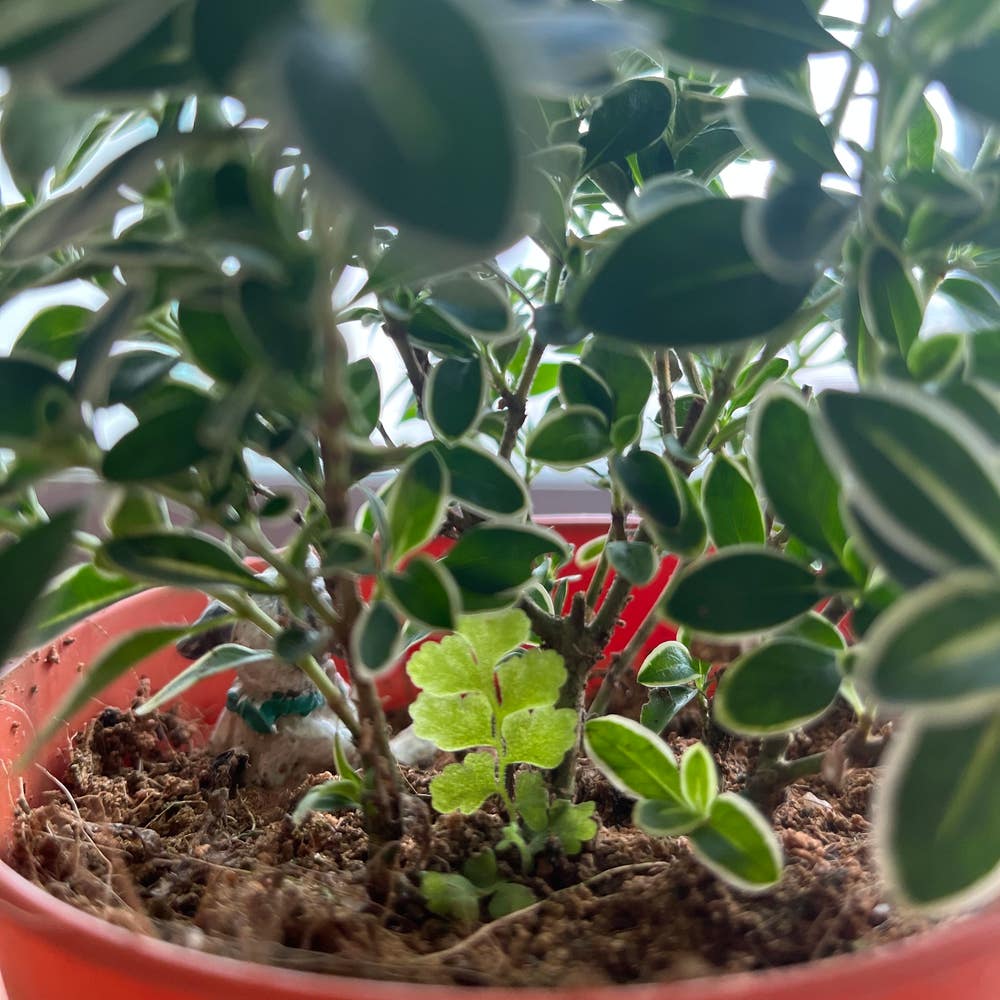
Why Does My Snowrose Have Yellow Leaves?
Serissa japonica
By the Greg Editorial Team
Jun 18, 2024•4 min read
This article was created with the help of AI so we can cover more plants for you. May contain errors. See one? Report it here.
- 🌞 Bright, indirect light prevents yellow leaves in Snowrose.
- 💦 Water when topsoil's dry; balance is key to leaf health.
- 🌡️ Stable temperatures keep Snowrose stress and yellowing at bay.
Pinpointing the Culprits Behind Yellow Leaves
💡 Insufficient Light and Its Effects
Snowrose, like any diva, craves the spotlight. Insufficient light is often the backstage culprit for yellow leaves. These plants need bright, indirect light to keep their foliage vibrant. Too little light, and they'll start to fade, losing their luscious green for a sickly yellow. Adjust their position to ensure they're basking just enough without getting sunburned.
🚰 Water Woes: Too Much or Too Little
It's a hydration balancing act. Overwatering makes roots soggy and sad, leading to yellow leaves. On the flip side, underwatering turns your Snowrose into a parched desert wanderer. The trick is to water when the topsoil feels dry. Stick your finger in; if it's dry a couple of inches down, it's time for a drink. Remember, room temperature water is your plant's best friend.
🍽️ Nutrient Shortfalls and Leaf Discoloration
Yellow leaves might be a silent SOS for nutrients. Nitrogen is the usual suspect, but don't rule out iron, magnesium, or zinc. A soil test can snitch on what's missing. Once you know, you can supplement accordingly. But beware, it's easy to overdo it. Follow the directions like a recipe, and your Snowrose will thank you with a return to green glory.
🌞 Temperature Troubles and Snowrose
Lastly, don't let your Snowrose catch a cold or a fever. Extreme temperatures can stress your plant out, turning leaves yellow as a distress signal. Keep your Snowrose in a comfortable room where it won't shiver or sweat. Steady temperatures promote steady growth.

How to Spot the Yellow-Leaf Syndrome
🕵️♂️ Inspecting for Inadequate Care Practices
Yellow leaves on your Snowrose aren't just a fashion statement; they're a distress call. Start your investigation by examining your plant care routine. Are you too generous with water, or maybe you're stingy? Both can lead to yellow leaves. Consistency in watering and fertilizing is key—your plant isn't fond of surprises.
🧩 Deciphering Patterns of Yellowing
Patterns in yellowing leaves are like breadcrumbs leading to the root of the problem. If the yellowing is uniform, it's likely a sign of overwatering or a cry for nutrients. Striped or edged yellowing? Think deficiency or environmental stress. Don't overlook other signs like browning tips or leaves with the texture of autumn crunch. These clues can help you pinpoint the issue and take corrective action.

Turning Over a New Leaf: Treatment Strategies
💡 Let There Be (The Right Amount of) Light
Snowrose plants are like solar panels; they need light to thrive but can't handle being fried. Adjust the placement of your Snowrose to ensure it receives bright, indirect sunlight. If it's stretching towards the light or the leaves are pale, it's a cry for more sun. Conversely, if the leaves are bleached or scorched, dial it back.
🚰 Watering Wisdom: Finding the Sweet Spot
The key to watering is consistency, not a deluge followed by a drought. Water your Snowrose thoroughly, allowing moisture to reach the roots, then let the soil dry slightly between waterings. If the leaves are yellowing and the soil feels soggy, you've gone overboard. Cut back on the water and consider better drainage.
🍽️ Nutrient Know-How: Feeding Your Snowrose
Your Snowrose isn't picky, but it does need a balanced diet. Use a half-strength, balanced fertilizer during the growing season to prevent nutrient shortfalls. Yellow leaves can signal a deficiency, so feed it right and watch for improvement. Don't overdo it; more food isn't always better.
🏜️ Keeping the Chill Out
Snowrose doesn't enjoy the shivers any more than you do. Keep it away from drafts and maintain a stable temperature. If it's too cold, the leaves will protest by turning yellow. Warm up the room, or if it's an outdoor plant, consider a protective cover when temperatures drop.

⚠️ Safety First
This content is for general information and may contain errors, omissions, or outdated details. It is not medical, veterinary advice, or an endorsement of therapeutic claims.
Always consult a qualified healthcare professional before using any plant as food, medicine, or supplement.
Never eat any plant (or feed one to pets) without confirming its identity with at least two trusted sources.
If you suspect poisoning, call Poison Control (800) 222-1222, the Pet Poison Helpline (800) 213-6680, or your local emergency service immediately.
Spotted an error? Please report it here.
Banish yellow leaves and keep your Snowrose thriving 🌿 with Greg's personalized care reminders for the right light, water, and nutrients.