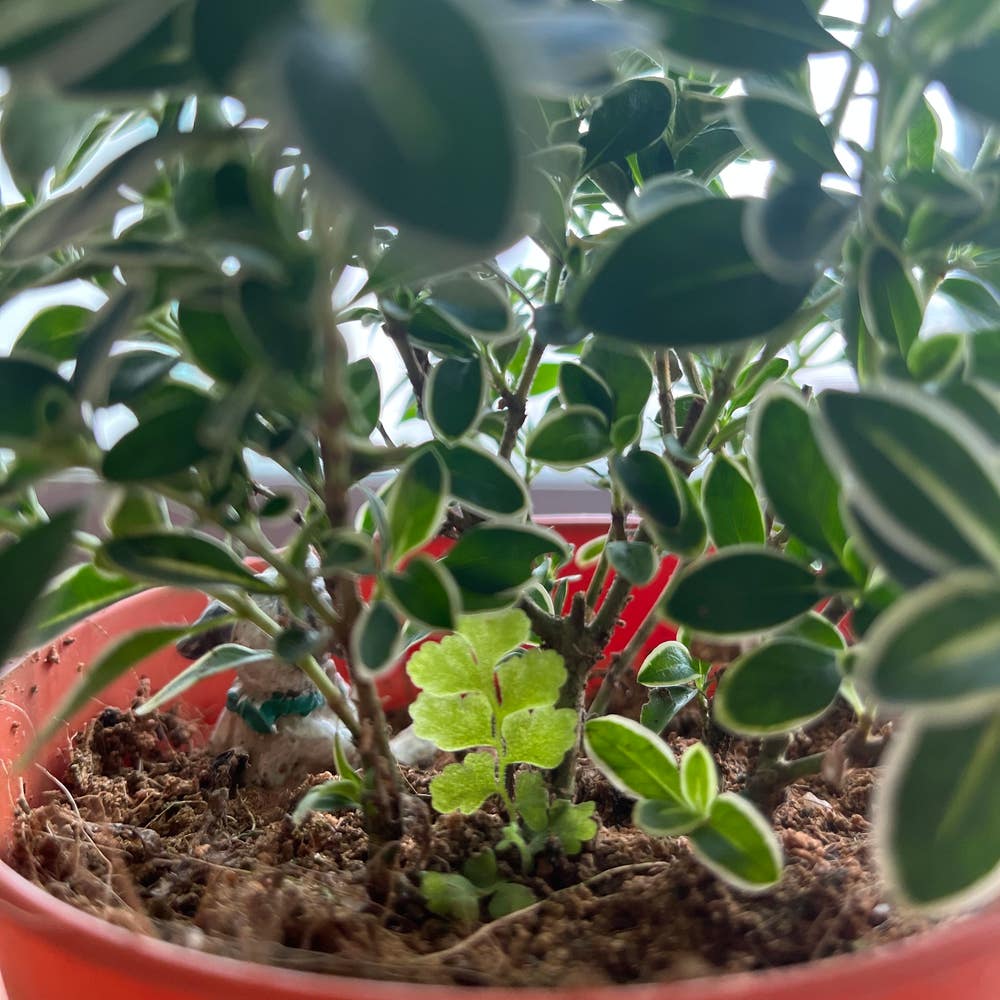
❄️ Snowrose: A Perennial Plant
Serissa japonica
By the Greg Editorial Team
Oct 02, 2024•8 min read
This article was created with the help of AI so we can cover more plants for you. May contain errors. See one? Report it here.
- 🌼 Snowrose is a perennial, thriving for 3-5 years without replanting each season.
- 🌱 Key growth stages include germination, flowering, and dormancy, adapting to local climates.
- 🌞 Optimal care involves soil testing, moisture management, and companion planting for best results.
Characteristics of Snowrose as a Perennial
Definition and Classification 🌱
Perennial plants are defined as those that live for more than two years, returning each season without needing to be replanted. Snowrose perfectly fits this classification, thriving year after year and showcasing its resilience and beauty.
Key characteristics of Snowrose include its multi-year lifecycle and unique growth patterns. Unlike annuals, which complete their life cycle in one season, Snowrose grows, flowers, and then returns from its established roots each spring, demonstrating its perennial nature.
Lifecycle and Growth Patterns 🌼
Understanding the lifecycle stages of Snowrose is essential. It begins with germination, followed by growth, flowering, and dormancy, each stage playing a vital role in its overall health and vitality.
The root system of Snowrose is particularly noteworthy. Established roots not only anchor the plant but also support its ability to regrow each season, ensuring a robust presence in your garden.
Seasonal Regrowth 🌸
Every spring, Snowrose emerges anew, showcasing its vibrant foliage and blooms. This seasonal regrowth is a hallmark of perennial plants, allowing them to adapt and thrive in various conditions.
With its ability to return year after year, Snowrose offers gardeners a reliable and beautiful option for their landscapes. This resilience makes it a favorite among those looking to create lasting gardens.
As we explore the lifecycle and growth patterns of Snowrose, it's essential to consider the seasonal changes that impact its dormancy and growth.
Lifecycle and Growth Patterns
Multi-Year Lifecycle 🌱
Snowrose, like other perennials, undergoes a fascinating lifecycle that spans multiple years. This lifecycle includes four key stages: germination, growth, flowering, and dormancy.
During germination, seeds absorb moisture and swell, eventually breaking through the soil. This initial stage is crucial as it sets the foundation for the plant's future growth.
As the plant enters the growth phase, it develops leaves and stems, harnessing sunlight for energy. This stage is vital for building the plant's strength and resilience.
Next comes flowering, where Snowrose showcases its vibrant blooms. This stage not only attracts pollinators but also ensures the continuation of its species through seed production.
Finally, the plant enters dormancy, a period of rest that typically occurs in colder months. This stage is essential for conserving energy and preparing for the next growth cycle.
Growth Patterns and Regrowth 🌿
The root system of Snowrose plays a pivotal role in its perennial nature. Established roots anchor the plant and allow it to access nutrients and water deep in the soil.
Each spring, Snowrose emerges anew, driven by its robust root system. This seasonal regrowth is a testament to its resilience, allowing it to thrive year after year.
Understanding these lifecycle stages and growth patterns not only highlights the beauty of Snowrose but also emphasizes the importance of nurturing it throughout its journey. As we explore further, we’ll delve into the seasonal changes that impact its growth and dormancy.
Seasonal Changes and Dormancy
🌱 Dormancy Periods
Snowrose experiences distinct dormancy periods, typically occurring in late fall through early spring. This dormancy is a natural response to colder temperatures and reduced light, allowing the plant to conserve energy.
During this time, Snowrose focuses on survival rather than growth. This energy conservation is crucial, as it prepares the plant for a vigorous resurgence when conditions improve.
🌞 Seasonal Changes Impact
Temperature and light play significant roles in Snowrose's growth patterns. As days lengthen and temperatures rise in spring, the plant awakens from dormancy, initiating its growth cycle.
Flowering cycles are closely tied to seasonal changes. Snowrose typically blooms in late spring to early summer, with the duration of flowering influenced by local climate conditions and care practices.
Understanding these seasonal dynamics can help gardeners optimize their care for Snowrose. By aligning planting and maintenance with these natural rhythms, you can ensure a thriving garden.
This knowledge sets the stage for exploring the advantages of Snowrose's perennial nature, which can greatly benefit your gardening efforts.
Advantages of Perennial Nature
🌱 Benefits for Gardeners
One of the standout advantages of Snowrose as a perennial plant is its reduced need for replanting. Unlike annuals that require fresh planting each year, Snowrose thrives year after year, saving gardeners time and effort.
Additionally, its established root system plays a crucial role in nutrient uptake. These robust roots not only access water and nutrients more efficiently but also enhance the plant's drought resistance, making it a reliable choice for various garden conditions.
📅 Long-Term Planning
Snowrose contributes significantly to sustainable gardening practices. By minimizing the need for annual replanting, it promotes a more eco-friendly approach to gardening.
Moreover, its resilience in varying conditions means that gardeners can enjoy a vibrant landscape with less worry. This adaptability allows for a more dynamic garden that can withstand the challenges posed by changing climates and weather patterns.
Incorporating Snowrose into your garden not only simplifies maintenance but also enriches the overall gardening experience. As we move forward, let's explore the lifespan and longevity factors that can further enhance your gardening journey.
Lifespan and Longevity Factors
Expected Lifespan 🌱
Snowrose, as a perennial plant, typically boasts an average lifespan of 3 to 5 years. This duration can vary based on environmental conditions and care practices.
When compared to other perennials, Snowrose holds its own, often outlasting shorter-lived varieties. Many perennials can thrive for a decade or more, but Snowrose’s charm lies in its resilience and adaptability.
Influencing Factors 🌍
Several environmental factors significantly impact the longevity of Snowrose. Soil quality plays a crucial role; well-drained, nutrient-rich soil promotes healthy growth.
Water availability is another key factor. Consistent moisture, without waterlogging, supports robust root systems. Sunlight is equally important; Snowrose thrives in full sun, which enhances its vitality.
Care practices can also enhance longevity. Regular pruning and proper fertilization can lead to healthier plants. Additionally, monitoring for pests and diseases ensures that Snowrose remains vibrant and strong.
By understanding these factors, gardeners can cultivate Snowrose effectively, ensuring it flourishes for years to come. This knowledge not only fosters a thriving garden but also deepens the connection between the gardener and their plants.
As we explore the variations of Snowrose across climate zones, we’ll see how adaptability plays a vital role in its success.
Variations Across Climate Zones
Adaptations to Climate 🌍
Snowrose is a remarkable perennial that showcases its adaptability to various climates. Depending on local conditions, it can modify its growth and flowering patterns, ensuring survival and thriving in diverse environments.
In warmer climates, Snowrose may exhibit earlier blooming, taking advantage of the extended growing season. Conversely, in cooler regions, it often delays flowering until temperatures rise, optimizing its chances for successful pollination.
Coping Strategies 🛡️
Extreme weather can pose challenges, but Snowrose has developed effective resilience strategies. During heatwaves, it conserves moisture through deeper root systems, allowing it to withstand drought conditions.
In colder climates, Snowrose enters dormancy, protecting itself from frost damage. Understanding local climate conditions is crucial for successful cultivation, as it helps gardeners anticipate and respond to the plant's needs throughout the seasons.
By recognizing these adaptations and coping strategies, you can better appreciate the versatility of Snowrose in your garden. This knowledge not only enhances your gardening experience but also fosters a deeper connection with this resilient perennial.
Maximizing Benefits in Garden Planning
🌱 Tips for Long-Term Cultivation
To successfully plant and maintain Snowrose, start with well-draining soil enriched with organic matter. This will provide the nutrients necessary for robust growth.
Regular watering is crucial, especially during dry spells. However, be cautious not to overwater, as Snowrose prefers slightly dry conditions between watering sessions.
🧪 Importance of Soil Health and Moisture Management
Healthy soil is the foundation of any thriving garden. Conduct soil tests to ensure pH levels are optimal for Snowrose, typically around 6.0 to 7.0.
Moisture management is equally important. Mulching can help retain soil moisture and regulate temperature, promoting a healthy root system.
🌼 Garden Design Strategies
Companion planting can enhance the growth of Snowrose. Pair it with plants that share similar water and light requirements, such as lavender or sage, to create a harmonious garden environment.
When designing your garden layout, consider the height and spread of Snowrose. Place it in a location where it can thrive without overshadowing smaller plants, ensuring each plant gets its fair share of sunlight.
🗺️ Effective Incorporation into Garden Layouts
Think about seasonal changes when planning your garden. Position Snowrose where it can be admired during its flowering period, perhaps near pathways or seating areas.
Incorporate diverse plant heights and textures to create visual interest. Snowrose's vibrant blooms can serve as a focal point amidst a backdrop of greenery.
By following these tips and strategies, you can maximize the benefits of Snowrose in your garden, ensuring it flourishes for years to come. Next, let’s explore the lifespan and longevity factors that contribute to the enduring beauty of this perennial plant.
⚠️ Safety First
This content is for general information and may contain errors, omissions, or outdated details. It is not medical, veterinary advice, or an endorsement of therapeutic claims.
Always consult a qualified healthcare professional before using any plant as food, medicine, or supplement.
Never eat any plant (or feed one to pets) without confirming its identity with at least two trusted sources.
If you suspect poisoning, call Poison Control (800) 222-1222, the Pet Poison Helpline (800) 213-6680, or your local emergency service immediately.
Spotted an error? Please report it here.
Cultivate a thriving Snowrose garden 🌼 with Greg's tailored watering reminders and expert tips, ensuring your perennial beauty flourishes season after season!