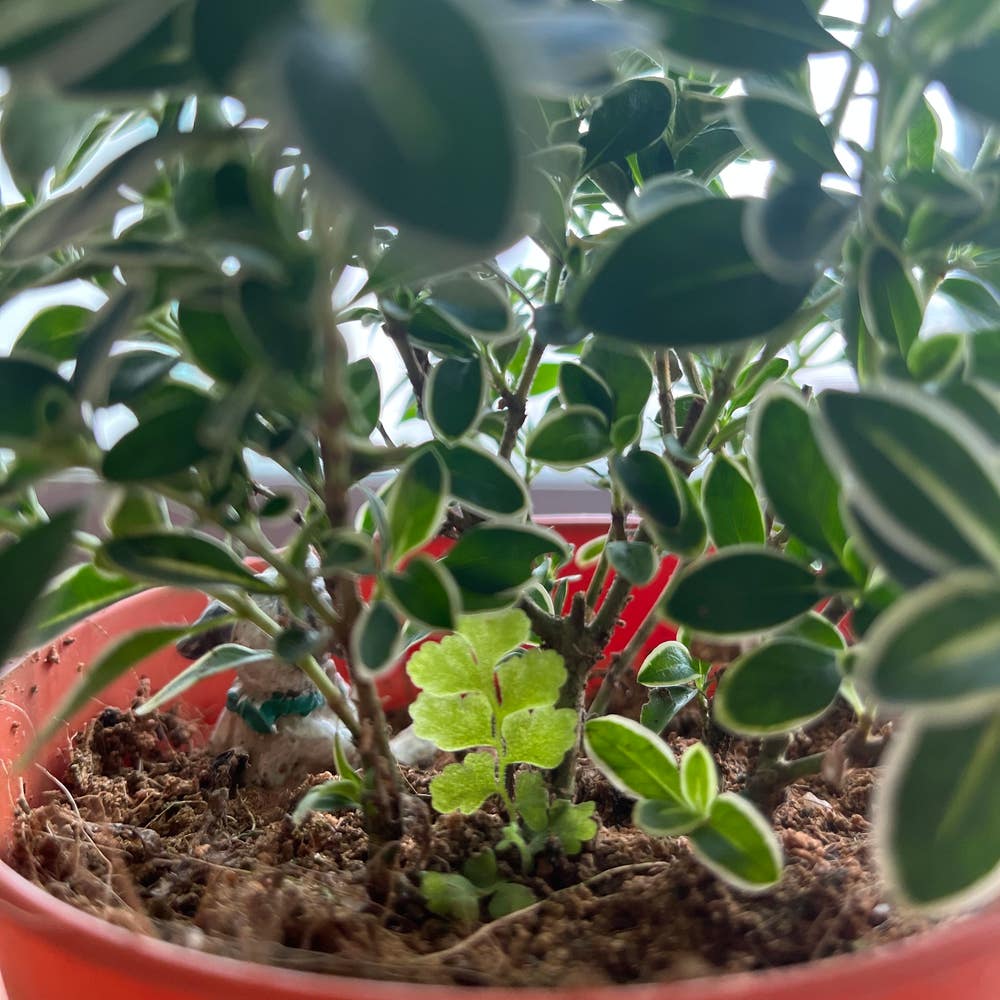
Propagating Snowrose: Step-by-Step Guide
Serissa japonica
By the Greg Editorial Team
Jun 18, 2024•5 min read
This article was created with the help of AI so we can cover more plants for you. May contain errors. See one? Report it here.
- Choose stem cuttings for speed or air layering for patience in propagation.
- Spring propagation thrives at 70-75°F with high humidity and good air circulation.
- Use well-draining soil and water carefully to prevent overwatering and wilting.
Choosing Your Propagation Adventure: Stem Cuttings or Air Layering?
🌱 Stem Cuttings: The Quick Start
🌿 Selecting the Best Stems for Cuttings
To kick off your propagation journey, choose a stem that's the epitome of health—lush, disease-free, and as promising as a sunny day in spring. Your ideal candidate is about 4-6 inches long with several leaf nodes, those little bumps where roots and shoots love to emerge.
🌱 Preparing Your Cuttings for Success
With your trusty scissors or pruners, make a clean cut just below a node. Think of it as a precise incision rather than a hack job. Strip the lower leaves to avoid the dreaded rot and leave a couple of leaves at the top to keep photosynthesis on the payroll.
🌱 Rooting Hormone: Is It the Secret Sauce?
Dip the cut end into rooting hormone to give your cuttings a head start. It's like a pep talk for roots, encouraging them to grow faster and stronger. But remember, it's not magic—your cutting still needs the right care to thrive.
🌿 Air Layering: The Patient Approach
🌱 Setting Up Your Snowrose for Air Layering
Select a branch that whispers "future independence" and make an upward incision about one-third into the stem. Keep the wound open with a toothpick—think of it as a tiny door prop—and apply rooting hormone to the cut to whisper sweet nothings to the roots that will soon grow.
🌱 Monitoring Root Development
Patience is your virtue here. Keep an eye out for white and firm roots signaling it's almost showtime. If you're using a transparent cover, you'll witness a root network sprawling out like urban sprawl.
🌱 The Big Separation: When and How to Detach Your New Snowrose
When roots are peeking out, eager as kids at a candy store, it's time to grant independence. But don't rush—wait until the roots are robust enough to support a solo act. Then, with a mix of pride and a tiny bit of sadness, cut the cord and pot your new plant.

When to Propagate: Timing is Everything
🌸 Pinpointing the Best Season for Snowrose Propagation
Spring is your go-to season for Snowrose propagation. It's the time when the plant is emerging from its winter slumber, ready to burst into growth. Think of it as nature's green light, signaling your Snowrose to start anew.
🌡️ Understanding the Importance of Temperature and Humidity
Temperature and humidity aren't just weather talk; they're the lifeblood of propagation. Aim for the sweet spot of 70 to 75 degrees Fahrenheit—it's the comfort zone where Snowrose cuttings feel like they're on a tropical vacation. Too hot, and they'll stress out; too chilly, and they'll play dead.
🌱 Keeping Humidity High
Wrap your propagation setup in a clear plastic cloak to create a mini-greenhouse. This keeps the humidity high, coaxing those roots out of hiding. But don't let it turn into a steam room—air circulation is key to prevent fungal gatecrashers.
🌿 Transitioning to Real-World Conditions
Once your cuttings have rooted, it's time for their reality check. Gradually expose them to the outside world, like easing into a cold pool. It toughens them up, so they don't throw a fit when they finally hit the garden soil.

First Steps After Propagation: Ensuring a Strong Start
🌱 For Stem Cuttings
🏡 The Right Soil Mix
Well-draining soil is like a comfy bed for your new Snowrose cuttings. Mix in some perlite or sand to make sure it's not holding onto water like a grudge.
💧 Watering Regimen
Water like you're texting an ex: sparingly and with caution. Aim for moist, not a reenactment of the Great Flood. Stick your finger in the soil; if it's dry an inch down, it's time to water.
🌿 For Air Layered Plants
🌱 Transitioning to a New Pot
When roots are peeking out, it's time for the big move. Choose a pot that's snug but not tight—think of jeans after Thanksgiving dinner. Well-draining soil is still the name of the game.
🔄 Adjusting to Life on Their Own
It's like sending a kid off to college—scary but necessary. Gradually introduce your Snowrose to its new environment. Start with indirect light and don't overwater; let it call the shots on when it's thirsty.

Propagation Pitfalls: Navigating Common Hurdles
🌱 Dealing with Slow or No Root Growth
When your Snowrose cuttings are more sloth than hare in the root department, it's time to assess your environment. Cold conditions are root growth's nemesis, so ensure your propagation station is snug and warm. If you're still at a standstill, a rooting hormone might just be the kickstart your plant needs.
🍄 Preventing Fungal Infections During Propagation
Fungi love a good plant party, but they're not the guests you want. Good airflow is your bouncer, keeping those unwanted spore crashers at bay. Sterilize your tools before cutting; think of it as hygiene for plant surgery. Spot any diseased stems? Show them the exit, pronto.
💧 Ensuring Your Propagated Snowrose Doesn't Wilt Away
Watering your Snowrose is a balancing act—too much, and you're in soggy territory; too little, and you're in wilt city. Aim for that moist (not drenched) sweet spot. And remember, bright, indirect light is like a plant's favorite coffee shop—inviting and energizing without the burn.
⚠️ Safety First
This content is for general information and may contain errors, omissions, or outdated details. It is not medical, veterinary advice, or an endorsement of therapeutic claims.
Always consult a qualified healthcare professional before using any plant as food, medicine, or supplement.
Never eat any plant (or feed one to pets) without confirming its identity with at least two trusted sources.
If you suspect poisoning, call Poison Control (800) 222-1222, the Pet Poison Helpline (800) 213-6680, or your local emergency service immediately.
Spotted an error? Please report it here.
With this guide's savvy tips, propagate 🌱 your snowrose like a pro and rely on Greg to alert you for the perfect watering and transitioning times, ensuring your plantlets thrive.