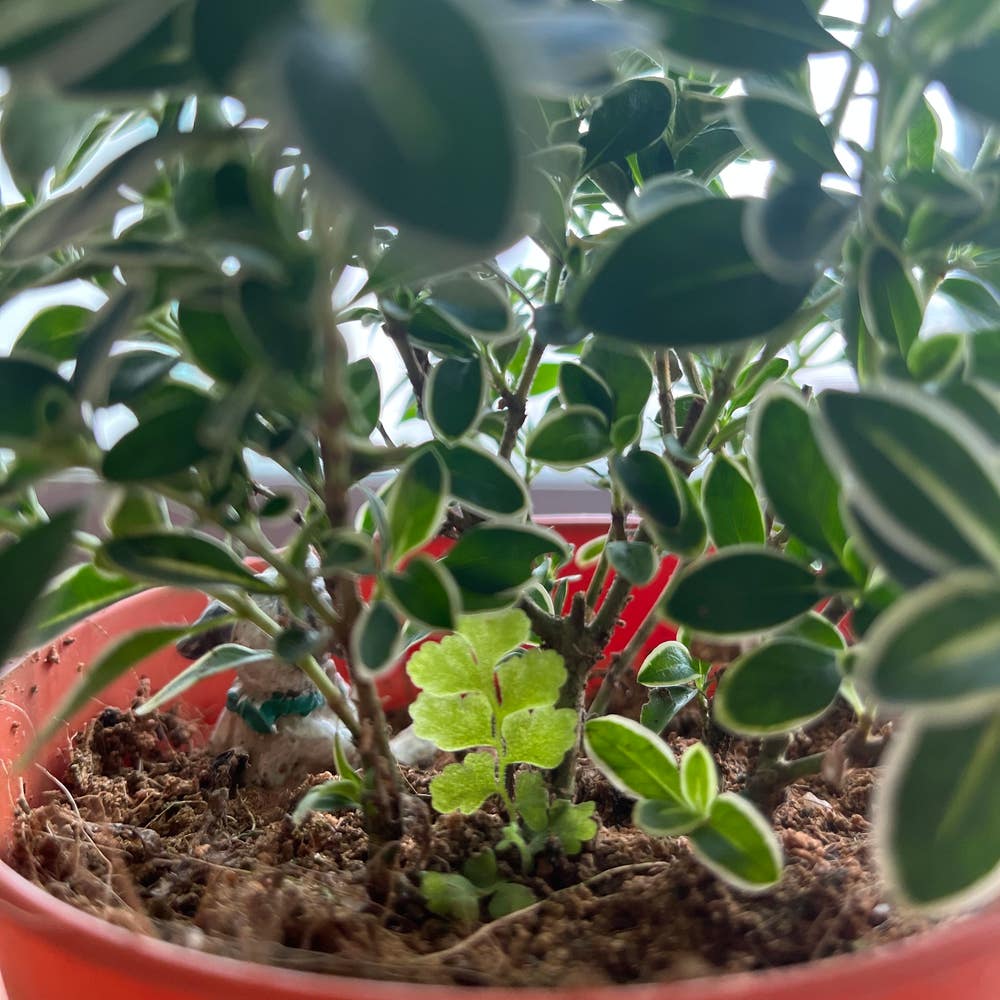
❄️ What Temperature Does My Snowrose Need?
Serissa japonica
By the Greg Editorial Team
Jun 18, 2024•4 min read
This article was created with the help of AI so we can cover more plants for you. May contain errors. See one? Report it here.
- 60°F to 80°F ideal for Snowrose health and growth.
- 🍂 Watch for stress signs: curling leaves, yellowing, or dark spots.
- Stable temps, no drafts ensure Snowrose thrives.
Dialing in the Perfect Temperature for Snowrose
🌡️ The Goldilocks Zone
Snowrose thrives in a temperature range of 60°F to 80°F (15.5°C to 26.5°C). This is the sweet spot where the plant is most comfortable and likely to flourish. Avoid extremes; just as you wouldn't wear a parka in the desert or shorts in a blizzard, your Snowrose needs that just-right feel to thrive.
🌡️ Consequences of Temperature Deviation
When temperatures drop below 60°F, the Snowrose may enter a dormancy period, shedding leaves and slowing growth. Conversely, temperatures above 80°F can cause stress, manifesting in wilted leaves and stunted development. It's a balancing act—too cold, and the plant hibernates; too hot, and it's in survival mode. Keep the thermostat steady, and you'll keep your Snowrose steady too.

Recognizing When Your Snowrose Feels the Heat (or Chill)
🚨 Spotting the Signs: How Snowrose Tells You It's Stressed
When your Snowrose starts acting out, it's time to pay attention. Leaf drop and a halt in growth are its way of waving a red flag. If you notice leaves falling off like confetti, it's a sign that your plant is not in its happy place.
🌡️ Understanding Temperature Stress Indicators
Curling leaves or a general yellowing, particularly in the canopy, are cries for help from your Snowrose. These symptoms indicate heat stress. On the flip side, if you spot foliage turning a dark brown or black, think of it as the plant's version of frostbite. Wet-looking spots on leaves are deceptive; they're actually dry and signal cellular damage from the cold.
Keep an eye out for brown spots on leaf veins or edges, as well. These are not beauty marks but distress signals. And if your Snowrose's growth has slammed on the brakes, it's likely feeling the strain of less-than-ideal temperatures.
Remember, temperature stress can be a silent assailant, but with a watchful eye, you can spot the signs before your Snowrose turns into a botanical sad emoji.

The Usual Suspects: What's Messing with Your Snowrose's Comfort?
❄️ Draft Dodger: How Cold Drafts and Sudden Changes Wreak Havoc
Drafts are like uninvited guests for your Snowrose, chilling its environment and causing stress. These sneaky breezes can come from open windows or poorly insulated doors, leading to a temperature roller coaster that's anything but fun for your plant. Sudden changes in temperature, whether from drafts or shifting the plant from one room to another, can shock the Snowrose, potentially stunting its growth or causing leaf drop.
☀️ Heatwaves and Sunburns: The Effects of Excessive Heat
Conversely, heatwaves can push your Snowrose into an uncomfortable sweatbox scenario. Direct sunlight through a window might seem like a good idea, but it can act like a magnifying glass, causing sunburn to the leaves. This can lead to discolored or curled foliage, and in severe cases, it can be detrimental to the plant's overall health. Keep your Snowrose in a spot where it can enjoy bright, indirect light without the risk of getting scorched.

Emergency Protocols: Saving Your Snowrose from Temperature Extremes
❄️ Quick Fixes for a Chilled Snowrose
Gentle warming is key when your Snowrose gets too cold. Avoid placing it next to a direct heat source like radiators or fires, as this can cause more harm than good. Instead, increase the ambient temperature of the room or use a space heater with a thermostat to maintain a consistent warm environment. If your Snowrose is outdoors, bring it inside or provide protection with a blanket during frosty nights.
🌡️ Cooling Down: Beat the Heat
When your Snowrose is facing the wrath of a heatwave, it's time to cool things down. Syringe your plant with cool water to lower the temperature around the root system. Adjust your watering schedule to the afternoon to cool the plant without risking over-saturation. Keep the Snowrose in its usual spot but out of direct sunlight, especially after a heat stress event. Consider using a thermostat to keep an eye on the temperature, ensuring it stays within the Snowrose's comfort zone.
Remember, stability is the Snowrose's best friend. Avoid exposing it to sudden temperature changes, which can be as shocking to the plant as an ice bath is to you. If you're caught off-guard by a temperature extreme, act quickly but thoughtfully, moving your plant to a safer spot without causing additional stress.
⚠️ Safety First
This content is for general information and may contain errors, omissions, or outdated details. It is not medical, veterinary advice, or an endorsement of therapeutic claims.
Always consult a qualified healthcare professional before using any plant as food, medicine, or supplement.
Never eat any plant (or feed one to pets) without confirming its identity with at least two trusted sources.
If you suspect poisoning, call Poison Control (800) 222-1222, the Pet Poison Helpline (800) 213-6680, or your local emergency service immediately.
Spotted an error? Please report it here.
Ensure your Snowrose thrives in the ideal temperature 🌡️ with Greg's custom care plans that alert you to the perfect climate conditions for your plant's health.