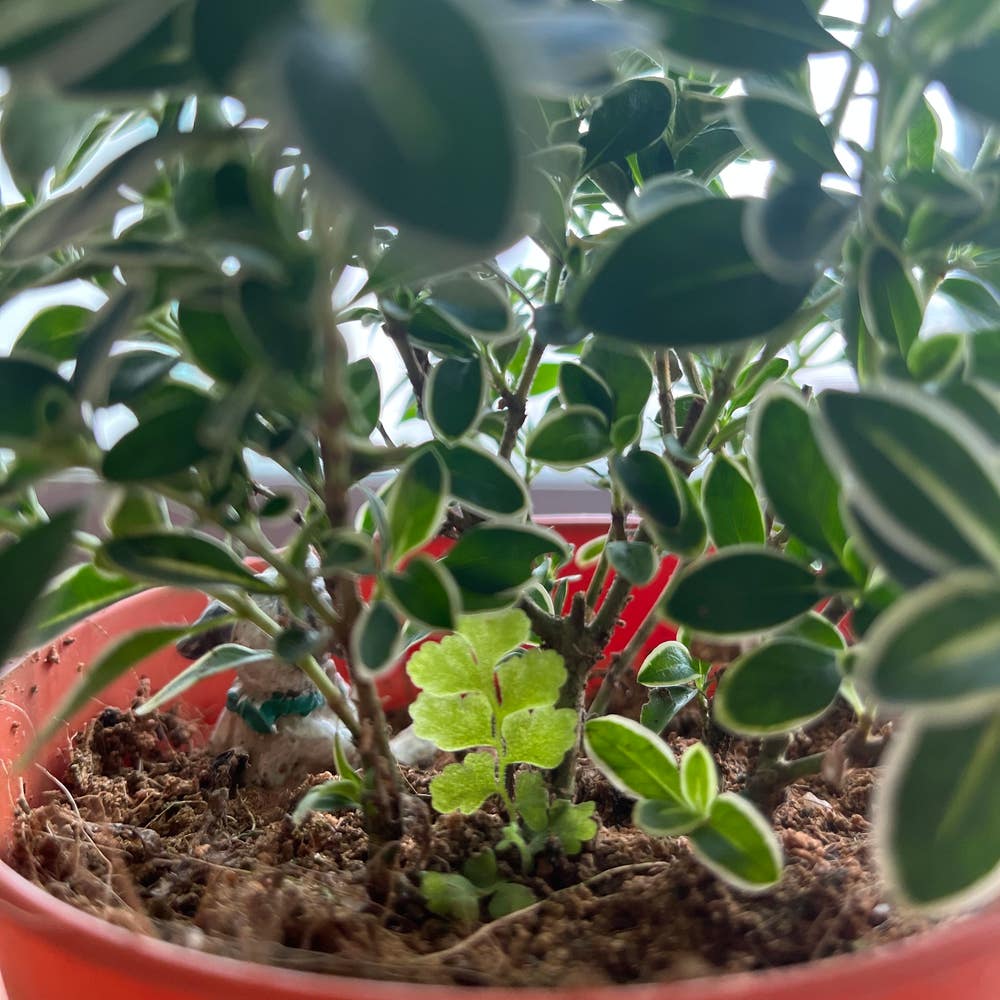
Why Are My Snowrose Leaves Dropping?
Serissa japonica
By the Greg Editorial Team
Jun 18, 2024•5 min read
This article was created with the help of AI so we can cover more plants for you. May contain errors. See one? Report it here.
- Under/overwatering? Wilted or yellow leaves signal watering issues.
- Stable temps and bright light are vital to keep Snowrose leaves attached.
- Consistent care and environment prevent leaf drop and ensure plant health.
Pinpointing the Culprit: Common Causes for Leaf Drop
🏜️ Underwatering Woes
Wilted, dry leaves are your Snowrose's way of saying, "I'm parched." Check the soil: if it's dry two inches down, it's time to water. Do it slowly, letting the water reach the roots without overwhelming them. Use room temperature water to avoid shocking the plant's system.
🚰 Overwatering Overkill
Yellow, mushy leaves? You might be drowning your Snowrose in affection. If the soil feels like a wet sponge, back off on the water. Let the soil dry slightly between waterings, but don't turn it into a desert.
🌡️ Temperature Tantrums
A Snowrose throwing a fit over temperatures is a sight. Too hot or too cold, and leaves will drop like they're going out of style. Aim for a steady temperature to keep your plant from getting too dramatic.
🌞 Light Laments
Leaves dropping because they're starved for sunlight is a common drama. Ensure your Snowrose gets its spotlight of bright, indirect light. Rotate the plant for even exposure, so it doesn't lean more than a biased news report.
🍽️ Nutrient Necessities
Yellowing leaves or stunted growth might indicate your Snowrose is being robbed of nutrients. Strike a balance with fertilization to prevent a nutrient heist. Feed your Snowrose, but don't turn it into a glutton.

First Aid for Falling Leaves
🚑 Immediate Interventions
When leaf drop strikes your Snowrose, think triage. Gently prop up drooping leaves with soft ties, avoiding the harsh embrace of wire. This isn't a fix, but it's a start. Next, check the soil. If it's wetter than a drowned rat, back off the watering. If it's drier than a desert, it's hydration time—stat.
💧 Watering Wisdom
Your Snowrose craves consistency. Aim for soil that's moist, not soggy. During the growth spurt seasons, it's thirsty work; in the dormant periods, it's less so. Use your finger as a dipstick; if the top inch is dry, it's time to water. Remember, overwatering is a silent killer.
🌿 Creating the Ideal Environment
Snowrose doesn't do well with drama, especially in temperature and humidity. Keep it away from drafts and radiators; think room temperature, not a sauna. If the air's as dry as stale bread, introduce a humidifier or a pebble tray. It's about creating a Goldilocks zone—just right.
🌞 Let There Be Light
Light is the lifeblood of your Snowrose. Too little, and it's a one-way ticket to droopville. Too much, and it's sunburn city. Find that sweet spot where it can bask without blistering. Rotate the plant regularly to ensure even exposure. If natural light is as scarce as hen's teeth, consider a grow light. It's like a sun substitute for your green buddy.

Soil and Supplementation Strategies
🌱 Soil Check-Up
Assessing your Snowrose's soil is like a wellness check-up; it can reveal a lot about your plant's health. Well-draining soil is a must-have for Snowrose, so consider a mix rich in organic matter like coco coir, with perlite or vermiculite for that extra aeration. If your soil is more clumpy than a poorly mixed cake batter, it's time to intervene. Add a handful of perlite to your potting mix to keep those roots breathing easy.
💡 Fertilizer Facts
When it comes to fertilizing, think of it as a nutrient buffet for your Snowrose. A balanced, water-soluble fertilizer should do the trick, applied bi-weekly during the growing season. But remember, over-fertilization is like overindulging at happy hour—it can do more harm than good. Stick to the recommended dosage, and don't forget to test your soil before going all in with the nutrient boost. Organic options like compost or fish emulsion can also be your plant's best friend, offering a gentle touch that promotes not just growth, but resilience.

Keeping Leaves Loyal: Long-Term Prevention
💪 Consistent Care
Routine is the backbone of leaf retention. Establish a care schedule that's as reliable as your favorite morning brew. Water, light, and temperature should be as predictable as the episodes of your go-to sitcom.
🍂 Seasonal Smarts
As seasons shift, so should your Snowrose care. Winter calls for less water, while summer might demand more. It's like updating your wardrobe for the weather—your plant needs that kind of attention to detail too.
🌡️ Adapting to Temperature Changes
Keep an eye on the mercury. If it dips or spikes, it's time to shuffle your Snowrose to a more comfortable spot. Think of it as giving your plant a ticket to the best seat in the house, season after season.
🌞 Light Adjustments
The sun's track changes, and so should your plant's position. Ensure your Snowrose gets the right amount of sunshine without getting a sunburn. It's about finding that sweet spot where it can bask without baking.
💨 Humidity and Air Flow
Don't let your Snowrose dry out in arid air or drown in a tropical storm. Humidity levels matter. Use a humidifier or a pebble tray to keep the air around it as moist as a well-steamed pudding.
🌱 Soil and Nutrition
Your Snowrose's diet isn't set in stone. Adjust fertilization with the seasons—lighter in winter, a bit more generous in summer. It's like choosing the right seasoning for a year-round feast.
✂️ Pruning and Cleaning
Keep your Snowrose well-groomed. Prune it with purpose, removing dead or yellowing leaves. It's not just about looks; it's about preventing stress that can lead to leaf loss.
🐜 Pest and Disease Vigilance
Stay on pest patrol. Catching those critters early is like spotting a typo before hitting send—prevention is better than cure. Regular inspections are your best defense against infestations.
By embracing these strategies, you're not just preventing leaf drop; you're setting the stage for a Snowrose that's as resilient as it is radiant.
⚠️ Safety First
This content is for general information and may contain errors, omissions, or outdated details. It is not medical, veterinary advice, or an endorsement of therapeutic claims.
Always consult a qualified healthcare professional before using any plant as food, medicine, or supplement.
Never eat any plant (or feed one to pets) without confirming its identity with at least two trusted sources.
If you suspect poisoning, call Poison Control (800) 222-1222, the Pet Poison Helpline (800) 213-6680, or your local emergency service immediately.
Spotted an error? Please report it here.
Avoid the Snowrose blues by keeping soil perfectly moist with Greg's 🌱 custom watering reminders, ensuring your plant's leaves stay attached and attractive!