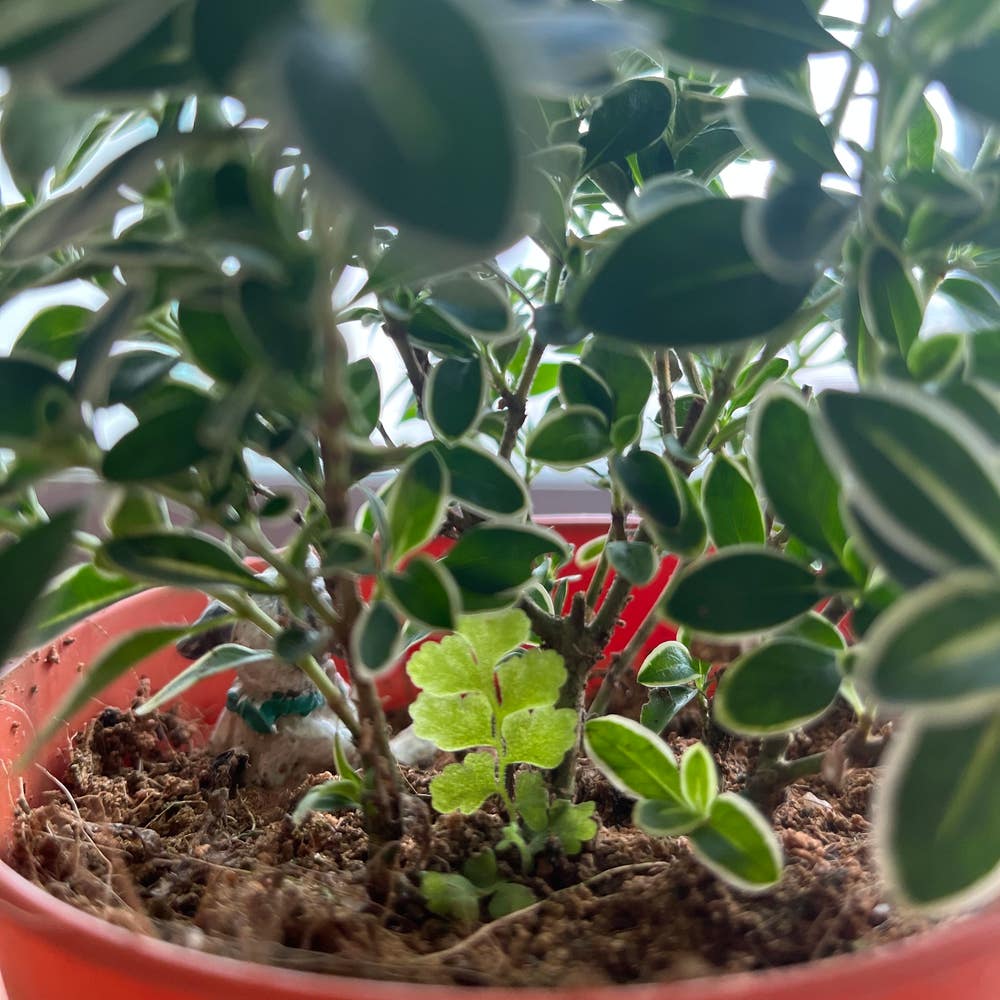
What Do I Do About Snowrose Root Rot? 💧
Serissa japonica
By the Greg Editorial Team
Jun 18, 2024•3 min read
This article was created with the help of AI so we can cover more plants for you. May contain errors. See one? Report it here.
- Yellow leaves and wilting signal Snowrose root rot; inspect roots for decay.
- Prune affected roots, apply fungicide, and adjust watering to treat root rot.
- Repot with well-draining soil and use pots with drainage holes to prevent recurrence.
Spotting the Red Flags: Recognizing Root Rot in Snowrose
🚩 Visual Symptoms
Yellowing leaves, wilting, and stunted growth are the distress signals of a Snowrose in trouble. These symptoms suggest that your plant may be suffering from root rot, a condition that can be detrimental if not addressed promptly.
🕵️ Below the Surface
To confirm your suspicions of root rot, inspect the roots. Healthy Snowrose roots should be firm and white, while brown and mushy roots are a telltale sign of decay. A foul odor emanating from the soil is another red flag, indicating that the root system is in distress.

The Rescue Operation: Treating Snowrose Root Rot
🏥 Surgical Measures
Root rot in Snowrose plants requires immediate and decisive action. Begin by gently removing the plant from its pot to expose the roots. Using sterilized shears, trim away any roots that are soft, brown, or blackened, which indicate decay. Healthy roots are firm and typically white or tan. After pruning, clean your tools with rubbing alcohol to prevent spreading pathogens.
🦠 Fungicidal Defense
Once the damaged roots are removed, it's time to apply a fungicidal treatment. Opt for a copper-based fungicide or a natural alternative like hydrogen peroxide to disinfect the remaining healthy roots. Follow the product's instructions carefully to avoid harming the plant. This step is crucial to halt the spread of the rot and give your Snowrose a fighting chance at recovery. Remember, overuse of fungicide can be detrimental, so moderation is key.

Aftercare and Recovery: Helping Your Snowrose Bounce Back
💧 Water Wisdom
After treating your Snowrose for root rot, watering practices need a makeover. Hydrate slowly and deeply, allowing the soil to absorb moisture without becoming waterlogged. Use room temperature water to avoid shocking the plant's system. Check the soil's moisture by feeling it; if the top two inches are dry, it's time for a drink. Remember, overwatering is a no-go; let the soil's dryness, not the calendar, dictate your watering schedule.
🌱 Soil Revival
Repotting in well-draining soil is like giving your Snowrose a new lease on life. Mix in perlite or sand to increase aeration, ensuring the roots can breathe easy. Choose a pot with drainage holes—terracotta is a solid choice, promoting evaporation of excess moisture. Post-repotting, water sparingly until you spot new growth, then gradually return to a regular care routine. Keep an eye on your plant; it's not just a decoration, it's a living thing that's relying on you to avoid another root rot encore.

Fortifying Defenses: Preventing Future Root Rot
💧 Watering Do's and Don'ts
Consistency is key when watering your Snowrose. Establish a routine that allows the soil to dry slightly between waterings. This practice prevents the roots from sitting in moisture for too long, which is a common cause of root rot. Use your finger or a moisture meter to check the soil's moisture level; if the top inch is dry, it's time to water. Remember, your Snowrose's water needs will change with the seasons, so adjust accordingly.
🌱 Soil and Pot Perfection
Selecting the right soil and pot is crucial for the health of your Snowrose. Well-draining soil is non-negotiable; opt for a mix of peat, perlite, and vermiculite to ensure quick drainage and prevent water from pooling. When it comes to pots, make sure they have ample drainage holes. A pot with poor drainage is like a swimming pool for your plant's roots – and not in a good way. A well-draining pot and soil mix act as a safeguard, keeping the dreaded root rot at bay.
⚠️ Safety First
This content is for general information and may contain errors, omissions, or outdated details. It is not medical, veterinary advice, or an endorsement of therapeutic claims.
Always consult a qualified healthcare professional before using any plant as food, medicine, or supplement.
Never eat any plant (or feed one to pets) without confirming its identity with at least two trusted sources.
If you suspect poisoning, call Poison Control (800) 222-1222, the Pet Poison Helpline (800) 213-6680, or your local emergency service immediately.
Spotted an error? Please report it here.
Eradicate Snowrose root rot and ensure plant health 🌱 by using Greg's custom watering plans to keep the soil perfectly hydrated without the guesswork.