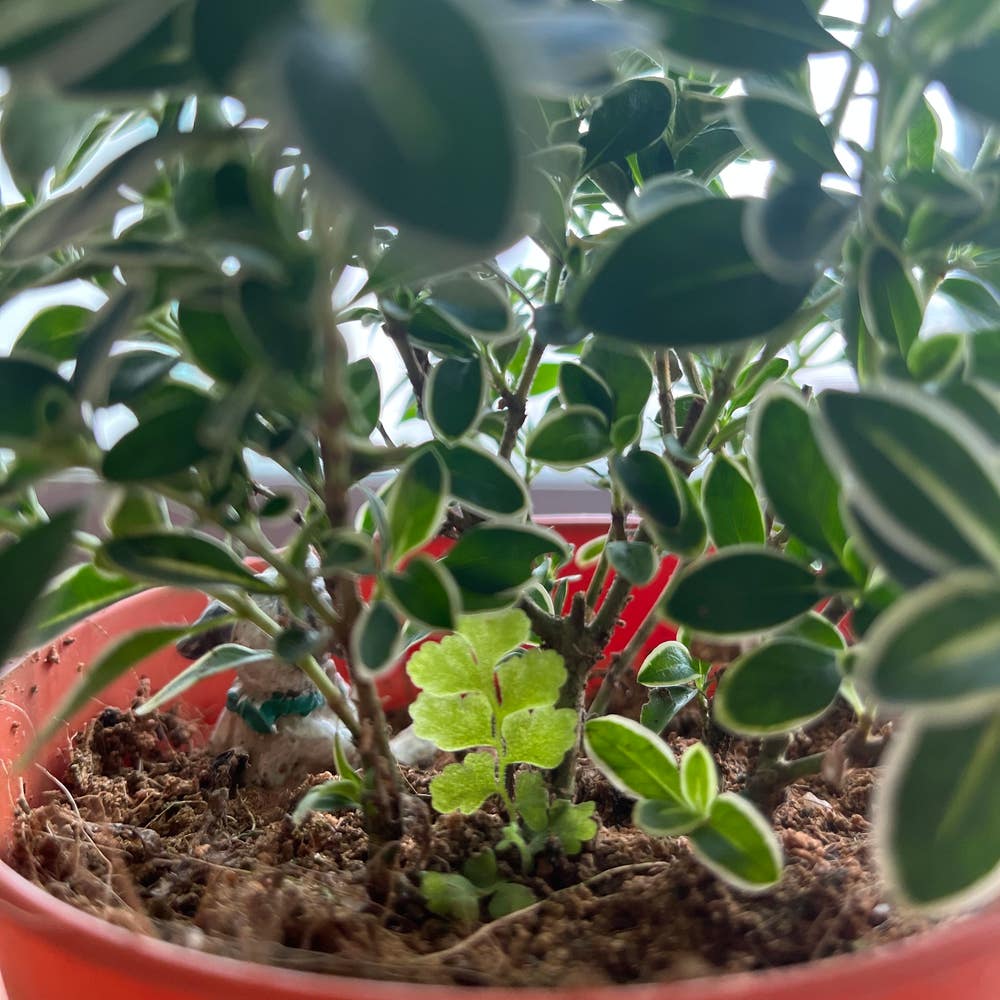
❄️ Why Snowrose Is Not an Annual
Serissa japonica
By the Greg Editorial Team
Oct 02, 2024•5 min read
This article was created with the help of AI so we can cover more plants for you. May contain errors. See one? Report it here.
- 🌼 Snowrose is a perennial, thriving for years unlike short-lived annuals.
- 🌱 Robust roots and dormancy enhance its resilience and adaptability across seasons.
- 🐝 Attracts pollinators, ensuring ongoing growth and beauty in your garden.
How Snowrose Fits the Perennial Classification
Lifespan and Growth Patterns 🌱
Snowrose is a true perennial, capable of living for several years. This longevity showcases its resilience and adaptability in various environments.
Its robust root system plays a crucial role in supporting both longevity and regrowth. A strong root network allows Snowrose to access nutrients and water efficiently, ensuring its survival through different seasons.
Additionally, Snowrose produces seeds that can remain viable for extended periods. This characteristic not only enhances its perennial nature but also contributes to its ability to thrive in diverse conditions.
In summary, Snowrose's lifespan, growth patterns, and seed viability firmly establish it as a perennial plant, setting it apart from annuals. This understanding lays the groundwork for appreciating its unique characteristics and gardening potential.
As we delve deeper, let’s explore the genetic and physiological traits that further define Snowrose's long-term lifecycle.
Genetic and Physiological Characteristics
Long-term Lifecycle 🌱
Snowrose thrives through distinct growth phases, entering dormancy during the winter months. As spring arrives, it bursts into active growth, showcasing its resilience.
This perennial can live for multiple years, setting it apart from annuals that complete their lifecycle in just one season. Its longevity is a testament to its adaptability in various environments.
Growth Patterns 🌿
The root system of Snowrose is deep and extensive, allowing it to absorb essential nutrients and water efficiently. This robust foundation supports not only its survival but also its impressive above-ground growth.
Above the soil, Snowrose forms a dense canopy that persists through changing seasons. This structure not only provides visual interest but also contributes to the overall health of the garden ecosystem.
Reproductive Strategies 🌼
Snowrose excels in seed production, generating seeds that remain viable for years. This ability enhances its chances of survival and propagation in diverse conditions.
Additionally, it attracts various pollinators, which boosts its reproductive success. This symbiotic relationship with nature ensures that Snowrose continues to thrive in gardens and wild spaces alike.
As we explore the lifecycle comparison, we'll see how Snowrose's unique characteristics set it apart from true annuals.
Lifecycle Comparison
Differences from True Annuals 🌱
Snowrose stands out with its multi-year growth cycle, unlike annuals that complete their lifecycle in just one season. This longevity allows Snowrose to establish itself more robustly in the garden.
Additionally, Snowrose has the unique ability to flower multiple times throughout its lifespan. In contrast, annuals typically showcase their blooms just once before completing their life cycle.
Implications of Perennial Nature 🌼
The perennial nature of Snowrose leads to an extended flowering period. This means you can enjoy its vibrant blooms over several seasons, adding continuous interest to your garden.
Moreover, Snowrose prioritizes root development and long-term survival. This focus on resilience allows it to thrive without the frantic growth and seed production seen in annuals, making it a reliable choice for gardeners seeking lasting beauty.
As we explore the regional variations and misconceptions surrounding Snowrose, we'll uncover how environmental factors can influence its classification and behavior.
Regional Variations and Misconceptions
🌨️ Conditions Leading to Misclassification
Snowrose can easily be misclassified as an annual, especially in harsh climates. When faced with environmental stress, it may exhibit shorter lifespans or reduced growth, which can confuse gardeners.
Extreme weather conditions can also play a role. In regions with severe seasonal variations, Snowrose may die back, mimicking the behavior of annual plants.
🌍 Adaptability in Different Climates
This adaptability can lead to misidentification. Gardeners might mistakenly treat Snowrose as an annual due to its altered behavior in less favorable environments.
Understanding these nuances is crucial for proper care. Recognizing Snowrose's true perennial nature can enhance your gardening experience and ensure its longevity in your landscape.
Gardening Implications
Advantages in Garden Design 🌼
Snowrose is a fantastic long-term investment for any garden. Once established, it requires less frequent replanting compared to annuals, saving you time and effort.
Moreover, this perennial offers seasonal interest. With consistent blooms and lush foliage, it enhances your garden's beauty throughout multiple seasons.
Planning Strategies 🗺️
To maximize the benefits of Snowrose, consider incorporating it into perennial beds. This approach provides year-round structure and visual appeal, making your garden a vibrant space.
Companion planting is another effective strategy. Pair Snowrose with other perennials to create diverse and resilient ecosystems, ensuring your garden thrives in various conditions.
Incorporating Snowrose into your gardening plans not only enriches your landscape but also simplifies maintenance. As you explore these strategies, you'll find that this perennial truly stands out in any garden setting.
Management Tips
Maximizing Longevity 🌱
To ensure your Snowrose thrives, start with soil health. Aim for well-draining, nutrient-rich soil that supports robust root development.
Watering Practices 💧
Next, focus on your watering practices. Maintain consistent moisture without waterlogging, as excess water can lead to root rot.
Fertilization 🌼
Consider a balanced fertilizer during the growing season. This will provide essential nutrients and promote healthy growth.
Pruning Techniques ✂️
Regular pruning can enhance air circulation and encourage new growth. Trim back dead or damaged stems to keep your Snowrose looking its best.
Pest Management 🐛
Stay vigilant for pests. Early detection and intervention can prevent infestations that may harm your plant.
Seasonal Care ❄️
Adjust your care routine with the seasons. In winter, reduce watering and allow the plant to enter dormancy, preparing it for a vigorous spring.
By following these management tips, you can maximize the longevity of your Snowrose, ensuring it remains a vibrant part of your garden for years to come.
Next, let’s explore the advantages of incorporating Snowrose into your garden design.
⚠️ Safety First
This content is for general information and may contain errors, omissions, or outdated details. It is not medical, veterinary advice, or an endorsement of therapeutic claims.
Always consult a qualified healthcare professional before using any plant as food, medicine, or supplement.
Never eat any plant (or feed one to pets) without confirming its identity with at least two trusted sources.
If you suspect poisoning, call Poison Control (800) 222-1222, the Pet Poison Helpline (800) 213-6680, or your local emergency service immediately.
Spotted an error? Please report it here.
Embrace the perennial power of Snowrose 🌼 with Greg's tailored care reminders, ensuring your garden flourishes beautifully season after season!