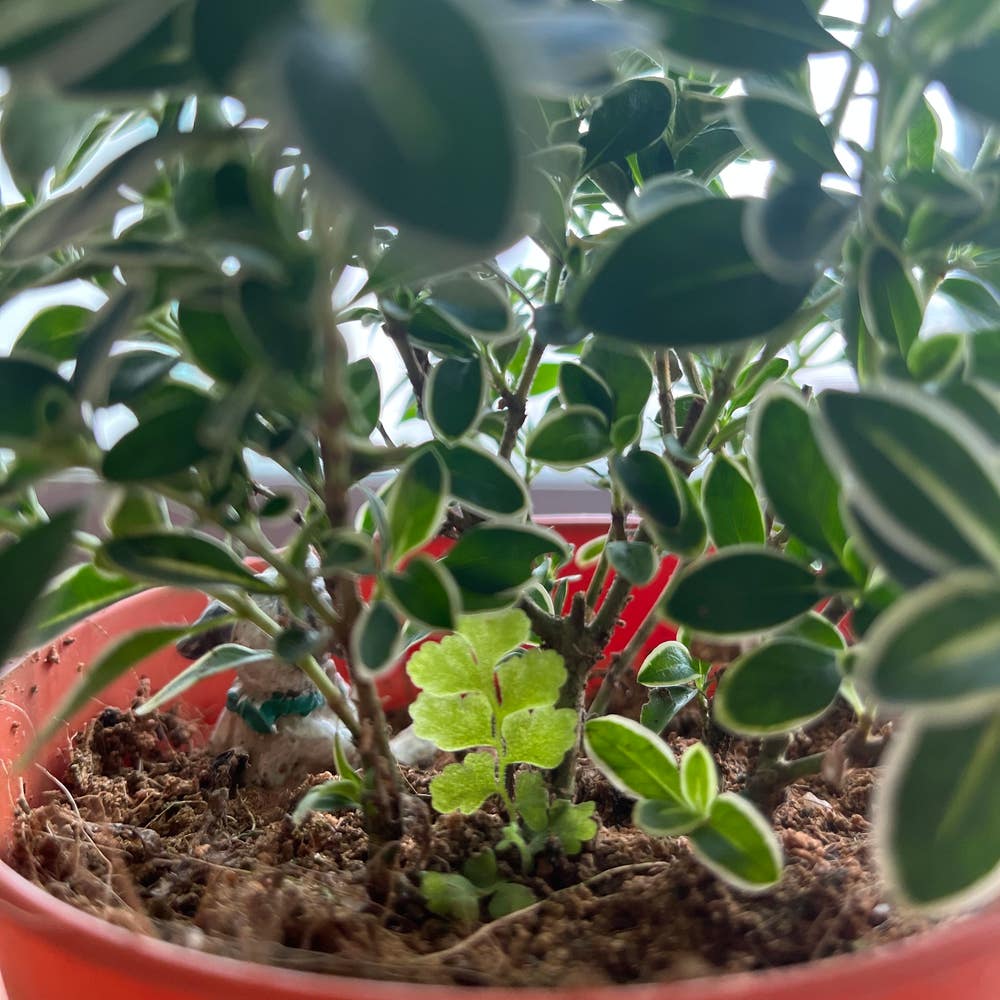
❄️ How to Get a Snowrose to Bloom
Serissa japonica
By the Greg Editorial Team
Jun 18, 2024•6 min read
This article was created with the help of AI so we can cover more plants for you. May contain errors. See one? Report it here.
- Bright light, avoid midday sun for Snowrose's optimal blooming.
- Prune post-frost, pre-spring growth to maximize blooms.
- Consistent moisture and temperature prevent bud drop and wilting.
Perfecting the Light and Temperature Dance
🌸 Ideal Light Conditions for Snowrose Blooms
Snowrose plants crave bright light to set the stage for their blooming performance. Position them near a window that ushers in generous sunlight, but be wary of harsh midday rays that can be too intense. If natural light is lacking, especially during shorter winter days, artificial grow lights can play a supporting role. Aim for 12 to 16 hours of light per day to keep your Snowrose in the limelight.
🌡️ Temperature Tweaks to Trigger Blooming
The Snowrose's blooming cue is often temperature-related. They prefer a cool to moderate climate, with an optimal range between 60-70°F (15-21°C). As seasons change, so should your approach. In winter, a cooler period can encourage dormancy, setting the stage for future blooms. Come spring, a gradual increase in temperature can signal your Snowrose to wake up and put on a show. Remember, consistency is key; avoid dramatic temperature fluctuations that can cause your plant to drop buds in protest.

Pruning: The Secret to Unleashing Blooms
🌱 When and How to Prune for Maximum Blooms
Pruning your Snowrose isn't just a chore; it's the key to unlocking its full potential. Timing is everything—prune after the last frost but before the full flush of spring growth. This sweet spot encourages the plant to focus its energy on producing those coveted blooms.
Technique matters. Use clean, sharp shears and aim for cuts at a 45-degree angle, about 1/4 inch above an outward-facing bud. This promotes better air circulation and a shapelier plant. Remember, it's not a race—prune with purpose, ensuring each cut is clean and deliberate.
🌺 The After-Prune Care
Post-prune, your Snowrose will need some TLC. This is when you lay the groundwork for a healthy blooming phase. First, clear away all the clippings; cleanliness is next to godliness in the garden too. Then, give your plant a gentle but thorough watering to help it recover from the shock of pruning.
Monitor the pruned areas for any signs of disease or distress. If you spot anything amiss, act swiftly to mitigate any issues. A healthy Snowrose is a blooming Snowrose, and your vigilance will pay off with a spectacular floral display.

Feeding Your Snowrose for Fabulous Flowers
💡 Choosing the Right Fertilizer
Balanced fertilizers are the Snowrose's best friend. They're like a well-rounded diet, providing all the necessary nutrients for your plant to thrive and bloom. For Snowroses, aim for at least three fertilizer applications during the growing season: one as it wakes up from winter, and two more in mid-June and July to sustain flower growth.
Consider using organic options like compost or rotted manure for an extra nutrient kick. These act slowly, offering a steady supply of food, which is less shock-inducing than inorganic types. Remember, the package is your bible here; it will guide you on how much and how often to apply.
🍽️ Essential Nutrients for Flower Power
Nitrogen, Phosphorus, and Potassium (N-P-K) are the holy trinity for Snowrose blooms. Nitrogen keeps the foliage vibrant, but don't overdo it, or you'll end up with a bushy plant sans flowers. Phosphorus is crucial for those blooms, and Potassium builds strong stems to support them.
Watch out for yellowing leaves; it's a cry for help, signaling a potential nitrogen deficiency. But, too much nitrogen and you'll be the proud owner of a lush green plant that's all leaves, no flowers. It's about finding that sweet spot.
Timing is key. Spread out the fertilizer applications to avoid nutrient overload and runoff. Your Snowrose will thank you with a spectacular display of blooms.

Watering Wisdom for Wonderful Blooms
💧 Balancing Soil Moisture for Optimal Flowering
Proper watering is crucial for coaxing your Snowrose into a spectacular bloom. Overwatering is the equivalent of a flood in your plant's world, while underwatering is akin to a drought. Aim for soil that's consistently moist, not soggy.
Frequency and quantity of watering should be adjusted based on the season. In the heat of summer, your Snowrose will be thirstier, requiring more frequent watering. During the cooler months, it's time to ease up on the hydration.
To avoid the common blunder of guessing when to water, use a moisture meter or the classic finger test. If the top inch of soil feels dry, it's time to water. If it's damp, give it a break. Remember, your plant's not on a strict schedule; it's living in the moment.
💦 How to Avoid Common Watering Mistakes that Impact Blooming
Consistency is your friend when it comes to watering your Snowrose. Too much water can dilute essential nutrients, while too little can stress the plant, both leading to bloom woes.
A self-watering pot can be a lifesaver for those who tend to love their plants a bit too much with the watering can. For the tech-savvy, consider a smart watering app to keep track of your plant's thirst levels.
Lastly, remember that water quality matters. Use room-temperature water to avoid shocking your Snowrose's delicate roots. After all, no one likes a cold shower, not even plants.
Troubleshooting Blooming Hiccups
🥀 Bud Drop and Lack of Flowers
Bud drop is a common frustration when nurturing Snowrose plants. It can be the result of inconsistent watering or abrupt changes in the plant's environment. To combat this, maintain a steady watering schedule and shield your Snowrose from erratic temperature shifts or light exposure.
To encourage consistent blooming, fertilization is key. Opt for a balanced fertilizer and stick to a regular feeding timetable. Be mindful of the plant's need for stability; frequent relocations can stress your Snowrose, leading to bloom loss.
🥀 Dealing with Premature Flower Wilting
Wilting blooms can signal insufficient water uptake. Ensure your Snowrose's roots are well-hydrated without being waterlogged. Trim stems at an angle to promote water absorption and consider the use of warm water to encourage flow.
If wilting persists, investigate for environmental stressors such as extreme temperature fluctuations or inadequate humidity. Stabilize your plant's surroundings to mimic its natural habitat. Remember, Snowroses thrive on consistency, not chaos.
To revive a struggling Snowrose, assess for signs of over or underwatering. Adjust your care routine accordingly, and don't shy away from repotting if the current container no longer supports the plant's growth. Keep a vigilant eye for pests or diseases that could also be culprits of wilting.
⚠️ Safety First
This content is for general information and may contain errors, omissions, or outdated details. It is not medical, veterinary advice, or an endorsement of therapeutic claims.
Always consult a qualified healthcare professional before using any plant as food, medicine, or supplement.
Never eat any plant (or feed one to pets) without confirming its identity with at least two trusted sources.
If you suspect poisoning, call Poison Control (800) 222-1222, the Pet Poison Helpline (800) 213-6680, or your local emergency service immediately.
Spotted an error? Please report it here.
Nurture your Snowrose to flourish 🌸 with Greg's tailored watering schedules and light tracking, making consistent care as simple as enjoying the blooms.