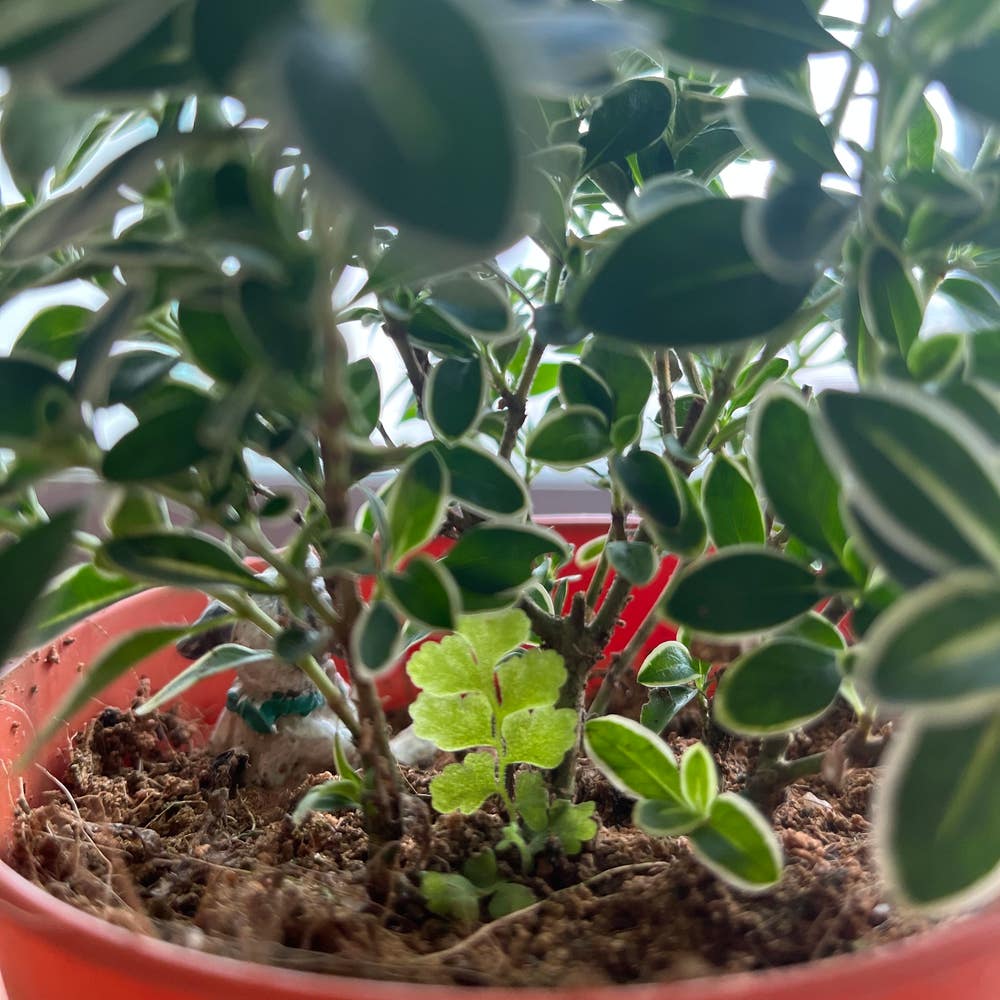
Your Snowrose's Light Requirements
Serissa japonica
By the Greg Editorial Team
Jun 18, 2024•3 min read
This article was created with the help of AI so we can cover more plants for you. May contain errors. See one? Report it here.
- 🌤️ Bright, indirect light is best for Snowrose; avoid midday sun.
- Use reflective surfaces to amplify indoor light for healthier growth.
- Grow lights enhance blooming; LED and fluorescent are preferred.
Basking in the Right Rays: Outdoor Light for Snowrose
⛅️ Ideal Sunlight Conditions
Snowrose plants have a preference for bright, yet indirect light. They soak up the morning or evening sun with gusto, avoiding the harsh midday glare.
⏰ Times of Day
Morning light rejuvenates Snowrose, while late afternoon rays are gentle enough to not overwhelm. This timing ensures they get their light fix without the risk of damage.
🛡️ Protecting Snowrose from Too Much of a Good Thing
🕶️ Identifying Signs of Light Overexposure
Leaves that look sunburned, with a bleached or crispy appearance, are crying out for shade. It's a clear SOS: your Snowrose has had too much sun.
🌳 Strategies for Shading and Sun Protection
To protect your Snowrose, consider strategic placement under trees or awnings. Alternatively, use a light-diffusing cloth to shield it during peak sun hours.

Bringing the Sun Inside: Indoor Light for Snowrose
🌞 Mimicking Natural Habitat Light Indoors
South-facing windows are a Snowrose's best friend, offering the goldilocks zone of bright, yet indirect light. To gauge if your Snowrose is basking in enough light, observe its growth. A happy plant will have vibrant foliage and steady growth. If it's stretching towards the light or has lackluster leaves, it's time to reassess its spot.
🚦 Troubleshooting Common Indoor Light Issues
Combat low light areas by moving your Snowrose closer to the light source or by using reflective surfaces to bounce light around. Mirrors or white walls can work wonders. If your Snowrose still sports a gloomy vibe, consider a grow light to fake the sun's benefits. Remember, it's not about blasting your plant with a sunbeam but providing a consistent light bath.

Supplementing Sunshine: Grow Lights for Snowrose
💡 When to Consider Grow Lights
Snowrose plants crave 12 to 16 hours of light daily. As daylight wanes in winter, your Snowrose might need a luminous pick-me-up. Grow lights come to the rescue when natural light is on a hiatus, ensuring your plant doesn't miss a beat in its growth cycle.
💡 Choosing the Right Grow Light
LED grow lights are a top choice for Snowrose, providing full-spectrum light akin to the sun's rays. Fluorescent lights are also a budget-friendly option that can effectively cater to your plant's needs.
Placement and Duration
The sweet spot for light placement is about a foot above your Snowrose—close enough to bathe it in light but far enough to prevent a crispy outcome. Aim for 12 to 14 hours of light per day, mimicking a natural day cycle. A timer can be your best friend here, automating the process and giving your plant the consistency it craves.

Light and Blooms: Flowering Under the Right Lumens
💡 Quick Dive into Light and Flowering
Bright light is the non-negotiable ticket to the Snowrose bloom show. Without it, you're more likely to witness a foliage fest than a floral gala.
💡 Tips for Light-Induced Blooming
- Consistency is key. Snowrose thrives under stable light conditions.
- Rotate your plant regularly to ensure even light distribution.
- Reflective surfaces can bounce extra lumens onto your Snowrose, boosting its blooming potential.
- Consider the photoperiod; Snowrose may need longer daylight hours to initiate flowering.
- If natural light is a no-show, red-spectrum LED grow lights can be a game-changer.
- Monitor your plant for signs of light stress or underexposure and adjust accordingly.
⚠️ Safety First
This content is for general information and may contain errors, omissions, or outdated details. It is not medical, veterinary advice, or an endorsement of therapeutic claims.
Always consult a qualified healthcare professional before using any plant as food, medicine, or supplement.
Never eat any plant (or feed one to pets) without confirming its identity with at least two trusted sources.
If you suspect poisoning, call Poison Control (800) 222-1222, the Pet Poison Helpline (800) 213-6680, or your local emergency service immediately.
Spotted an error? Please report it here.
Ensure your Snowrose thrives in just-right light 🌞 with Greg's PlantVision to measure and optimize its exposure for peak health and blooms.