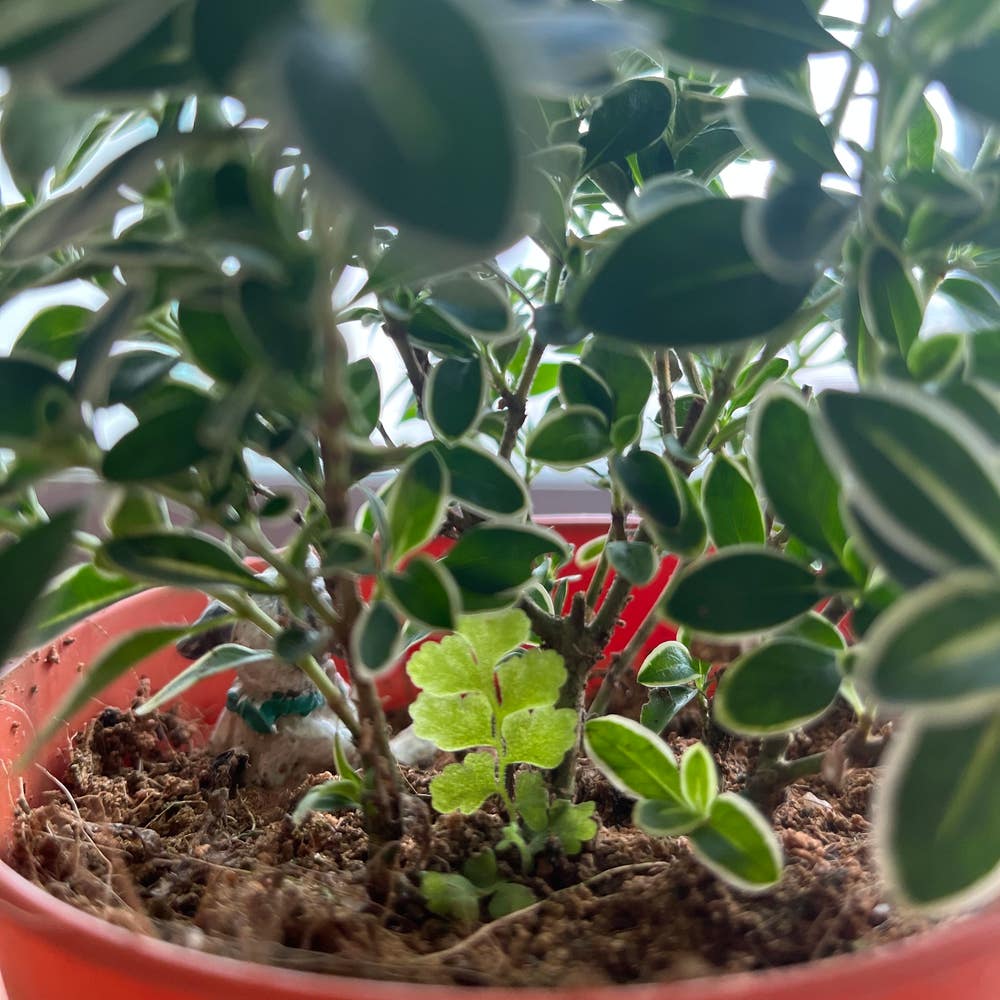
Symbolism and Benefits of the Snowrose
Serissa japonica
By the Greg Editorial Team
Jun 18, 2024•3 min read
This article was created with the help of AI so we can cover more plants for you. May contain errors. See one? Report it here.
- 🌱 Snowrose symbolizes purity and resilience, enhancing gardens and indoor spaces.
- 🐝 Attracts pollinators, supporting biodiversity and the ecosystem.
- 🎨 Inspires art and poetry, reflecting human emotions and depth.
A Whiff of Elegance: Aesthetic and Aromatic Delights
❄️ Snowrose's Visual Charm
The Snowrose stands out in garden design, its white blooms a stark contrast against the lush greenery. It's not just a plant; it's a statement piece, bringing a touch of winter's purity to any landscape.
Indoors, the Snowrose transforms into a centerpiece, its delicate flowers adding a sophisticated touch to living spaces. It's the kind of plant that doesn't just sit in the corner; it demands to be the focal point.
🌸 A Scent of Serenity
In the realm of aromatherapy, the Snowrose's fragrance is a hidden gem. It's not overpowering but has a presence that can turn any room into a haven of calm.
The scent plays a subtle role in relaxation, wafting through the air and inviting a sense of peace. It's like a deep breath on a crisp winter morning, refreshing and invigorating.

Symbols and Stories: Cultural and Emotional Resonance
❄️ Snowrose in Lore and Tradition
History and folklore are rich with the symbolism of the Snowrose. This plant has been a visual metaphor for purity and resilience, often blooming in the harshest of winters, standing as a testament to nature's tenacity.
In some cultures, the Snowrose is seen as a guardian of urban spaces, its presence a reminder of the natural world amidst concrete and steel. It's a symbol of urban tenacity, flourishing against the odds, much like the human spirit.
😌 Emotional and Spiritual Connections
The Snowrose forms personal bonds with those who cultivate it, becoming a part of their emotional and spiritual landscape. It's not just a plant; it's a companion through life's seasons.
In the realm of Feng Shui, the Snowrose is believed to bring balance and harmony. Its placement in a space is thought to enhance the flow of positive energy, making it a staple in spiritual practices.

Nature's Ally: Environmental and Therapeutic Contributions
🐝 A Friend to the Environment
Snowrose, or as botanists would call it, Rhododendron ferrugineum, is not just a pretty face. It's a magnet for bees and butterflies, playing a pivotal role in pollination. By attracting these crucial pollinators, Snowrose contributes to biodiversity and supports the ecosystem's balance. It's like hitting the jackpot for environmental health, triggering a cascade of benefits that extend far beyond our backyards.
💊 A Touch of Healing
Snowrose isn't all looks; it packs a punch with its medicinal prowess. Traditionally, it's been used as a hypotensive and diuretic, among other things. But let's get real—don't go DIY on this; some parts can be toxic. When used correctly, it's known for its skin-soothing and respiratory benefits. Think of it as nature's own spa treatment, offering a dose of calm for your skin and lungs.

Celebrations and Creativity: Snowrose in Human Expression
🎉 Festive Flair with Snowrose
The Snowrose shines in cultural celebrations, often seen gracing weddings with its pristine beauty. Its versatility allows it to blend seamlessly into various themes, symbolizing new beginnings and purity. In some cultures, it's a winter bloom, aligning with seasonal festivities and adding a touch of nature's resilience to the joyous atmosphere.
🎨 Muse for the Arts
Artists and poets frequently draw inspiration from the Snowrose. Its delicate form and the emotional depth it evokes have led to its presence in numerous creative works. From canvases to stanzas, the Snowrose has been a silent yet powerful muse, stirring the imagination and giving rise to expressions of love, hope, and the intricate dance of human emotions.
⚠️ Safety First
This content is for general information and may contain errors, omissions, or outdated details. It is not medical, veterinary advice, or an endorsement of therapeutic claims.
Always consult a qualified healthcare professional before using any plant as food, medicine, or supplement.
Never eat any plant (or feed one to pets) without confirming its identity with at least two trusted sources.
If you suspect poisoning, call Poison Control (800) 222-1222, the Pet Poison Helpline (800) 213-6680, or your local emergency service immediately.
Spotted an error? Please report it here.
Cultivate your own serene 🌸 Snowrose sanctuary and let Greg's personalized care reminders help you foster this symbol of purity and resilience in your home.