Snowrose is Not an Invasive Plant
Serissa japonica
By the Greg Editorial Team
Oct 02, 2024•5 min read
This article was created with the help of AI so we can cover more plants for you. May contain errors. See one? Report it here.
- 🌼 Snowrose is non-invasive, ideal for ground cover and enhancing garden beauty.
- 🌱 Drought-tolerant and low-maintenance, it thrives in well-drained soils, perfect for xeriscaping.
- 🦋 Attracts pollinators and supports biodiversity, making gardens vibrant and eco-friendly.
Growth Habits
Typical Patterns 🌼
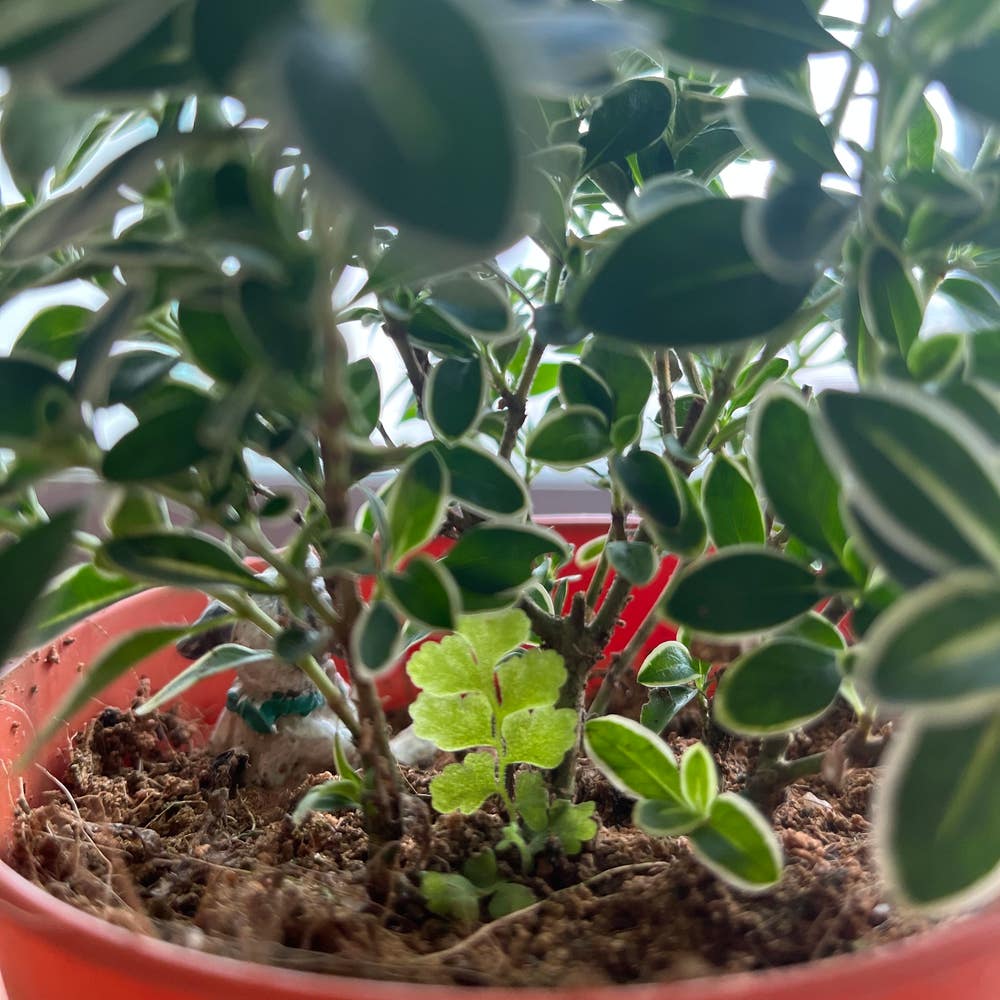
Snowrose exhibits a low growth habit, spreading horizontally to create a dense ground cover. This makes it an excellent choice for filling in bare spots in your garden.
During its flowering season, Snowrose produces vibrant flowers that attract a variety of pollinators, including bees and butterflies. This not only enhances the beauty of your garden but also supports local ecosystems.
Natural Limits 🌱
Snowrose thrives in well-drained soils and is remarkably drought-tolerant. Its resilience makes it particularly well-suited for xeriscaping and low-maintenance gardens.
Understanding its soil and environmental requirements ensures that you can cultivate Snowrose effectively without excessive effort.
Spread Potential and Management ✂️
This plant primarily grows where it is intentionally planted, making it easy to control. Regular monitoring and pruning will help maintain its desired growth and prevent any unwanted spread.
By keeping an eye on its growth patterns, you can enjoy the benefits of Snowrose without the worry of it becoming invasive.
With its manageable habits and ecological benefits, Snowrose is a fantastic addition to any garden. Next, let’s explore its ecological role and how it interacts with the surrounding environment.
Ecological Role
🌱 Benefits in Ecosystems
Snowrose plays a vital role in enhancing soil structure. Its roots help prevent erosion, making it an excellent choice for stabilizing soil in various landscapes.
Additionally, this plant contributes to water conservation in garden settings. By thriving in well-drained soils, it reduces the need for excessive watering, promoting sustainable gardening practices.
🦋 Interactions with Wildlife
One of the most delightful aspects of Snowrose is its ability to attract pollinators. The vibrant flowers provide essential nectar for bees and butterflies, fostering a lively ecosystem.
Moreover, its dense ground cover supports various small wildlife. This creates a habitat that encourages biodiversity, making your garden a thriving sanctuary for nature.
🌼 Companion Planting
When considering companion planting, Snowrose pairs well with native plants that thrive in similar conditions. This synergy enhances the overall health of your garden.
By incorporating Snowrose with other native species, you boost biodiversity and strengthen ecosystem resilience. This thoughtful approach not only beautifies your space but also supports local wildlife and plant communities.
As we explore how to incorporate Snowrose into garden designs, keep in mind its ecological benefits. This plant not only enhances your garden's aesthetics but also plays a crucial role in supporting the environment.
Garden Management
Incorporating into Designs 🌼
Snowrose is a fantastic choice for ground cover, especially in sunny areas or rock gardens. Its colorful flowers and lush foliage not only brighten up your space but also create a vibrant ecosystem.
Growth Control Methods ✂️
To keep Snowrose in check, regular trimming is essential. This helps control its spread and maintain a tidy shape, ensuring it remains a charming addition to your garden.
Assessing Growth Patterns 📈
Monitoring growth patterns is crucial to prevent unwanted spread. By staying attentive, you can enjoy the beauty of Snowrose without it overtaking your garden.
Incorporating Snowrose into your garden design not only enhances visual appeal but also supports local ecosystems. Next, let’s explore how it interacts with wildlife and contributes to biodiversity.
Comparison to Other Plants
🌱 Similar Non-Invasive Options
When considering non-invasive ground covers, creeping thyme and sedum stand out. Both thrive in similar conditions and offer unique ecological benefits.
Creeping thyme is known for its aromatic foliage and tiny purple flowers, attracting pollinators while forming a dense mat. Sedum, on the other hand, features succulent leaves that store water, making it an excellent choice for drought-prone areas.
✨ Unique Qualities
Snowrose boasts heart-shaped leaves that add a distinct charm to any garden. Its vibrant flowers not only brighten landscapes but also attract a variety of beneficial insects.
This plant is low maintenance, requiring minimal care while enhancing local ecosystems. Its ability to thrive in challenging conditions makes it a valuable addition to any garden, promoting biodiversity effortlessly.
In summary, while there are several non-invasive options available, Snowrose's unique characteristics and ecological contributions make it a standout choice for gardeners. As we explore garden management next, consider how to best incorporate these plants into your designs for maximum impact.
Legal and Environmental Considerations
🌱 Planting Guidelines
When incorporating Snowrose into your garden, start with thoughtful site selection. Choose areas with well-drained soil and ample sunlight to ensure optimal growth.
Soil preparation is equally important. Amend the soil as needed to enhance drainage and nutrient availability, setting the stage for a thriving plant.
♻️ Role in Sustainable Practices
Snowrose shines in water-efficient landscaping. Its drought tolerance makes it a perfect choice for gardens aiming to conserve water while maintaining beauty.
Moreover, this plant enhances garden ecosystems. By providing ground cover, it supports biodiversity and creates a welcoming habitat for various wildlife, enriching your outdoor space.
Incorporating Snowrose not only beautifies your garden but also aligns with sustainable practices. This plant is a small step toward a greener future, making it a fantastic choice for eco-conscious gardeners.
As you plan your garden, consider how Snowrose can fit into your design while promoting environmental health. Next, let’s explore how to effectively manage its growth for a flourishing garden.
⚠️ Safety First
This content is for general information and may contain errors, omissions, or outdated details. It is not medical, veterinary advice, or an endorsement of therapeutic claims.
Always consult a qualified healthcare professional before using any plant as food, medicine, or supplement.
Never eat any plant (or feed one to pets) without confirming its identity with at least two trusted sources.
If you suspect poisoning, call Poison Control (800) 222-1222, the Pet Poison Helpline (800) 213-6680, or your local emergency service immediately.
Spotted an error? Please report it here.
Transform your garden with vibrant Snowrose blooms 🌼 and let Greg guide you with tailored care tips to ensure your plants thrive while supporting local ecosystems!