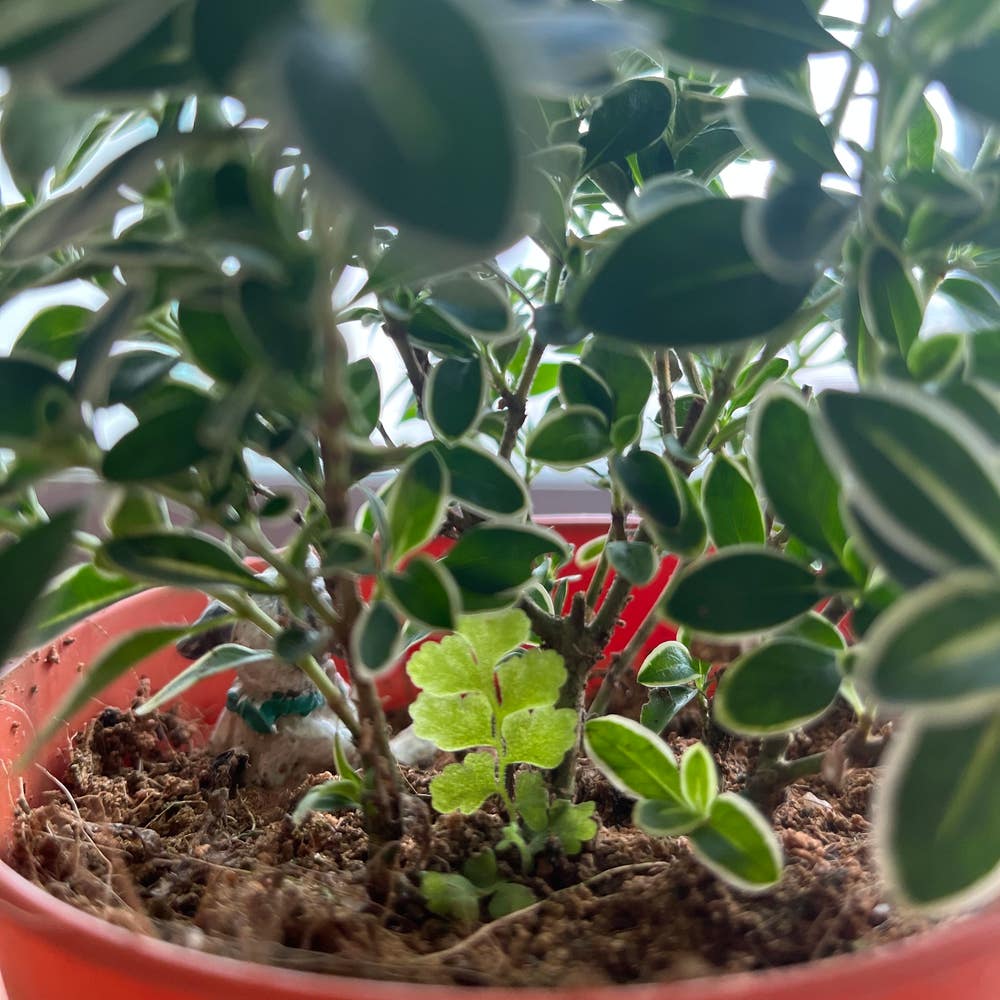
Should I Repot My Snowrose And If So, How?
Serissa japonica
By the Greg Editorial Team
Jun 18, 2024•4 min read
This article was created with the help of AI so we can cover more plants for you. May contain errors. See one? Report it here.
- Roots circling or escaping? Time to repot your Snowrose.
- Terracotta, plastic, or ceramic? Choose the right pot material.
- Post-repot care: Monitor closely, prune sparingly, fertilize after six months.
Spot the Telltale Signs It's Repot Time
🌱 Roots Gone Wild: The Root-Bound Red Flag
Roots circling the bottom of the pot or sneaking out of drainage holes are your Snowrose's way of crying out for help. It's the plant equivalent of a packed elevator; everyone's uncomfortable and there's no room to breathe. If you notice a dense web of roots, think of it as a tangled ball of yarn—it's definitely time to repot.
💧 Thirsty Much? When Water Goes Right Through
When watering your Snowrose feels like pouring liquid into a sieve, take it as a sign. If water zips through the pot faster than a kid on a slide, it's a clear indicator that the roots have taken over and the soil can't hold moisture. Dry soil after a recent watering is a red flag that shouldn't be ignored.
🌱 Growth on Pause: Recognizing Stunted Snowrose
A Snowrose that's stopped growing is like a paused movie—something's not right. If new leaves are a rarity and the plant seems more top-heavy than a bobblehead, it's time to consider a new pot. Stunted growth isn't just a phase; it's your plant's silent plea for a change of scenery.

Picking the Perfect Pot
🏺 Material Matters: Terracotta vs. Plastic vs. Ceramic Showdown
When it comes to choosing the right material for your Snowrose's pot, it's a battle of breathability versus moisture retention. Terracotta is the go-to for its porous nature, allowing air and water to pass through, which helps prevent root rot and overwatering. However, it dries out quickly, which might not be ideal if you're the forgetful type when it comes to watering.
Plastic pots, on the other hand, are champions at keeping soil moist and are light on the wallet too. But beware, they can suffocate roots if you're heavy-handed with the watering can. Ceramic pots bring the best of both worlds, with their stylish looks and moderate breathability—just make sure they have drainage holes.
📏 Size It Up: Finding the Right Fit for Your Snowrose
Size matters. Your Snowrose prefers a cozy fit, so choose a pot that's slightly larger than the current one. This gives the roots enough room to spread without swimming in excess soil, which can lead to waterlogging. Aim for a pot that's about 1-2 inches larger in diameter. Remember, a mansion-sized pot won't make your Snowrose grow faster; it'll just increase the risk of root rot. Keep it snug, not tight, and your Snowrose will thank you with lush growth.

The Repotting Rundown
🌱 Before You Begin: Gathering Your Tools and Prep Work
- Essentials: Secure a trowel, pruning shears, gloves, and your new pot with drainage holes.
- Workspace: Clear an area and lay down newspaper or a tarp to catch spills.
🌿 The Main Event: Repotting Step by Step
🌷 Out with the Old: Safely Removing Your Snowrose
- Gentle Ejection: Tilt the pot and coax the Snowrose out, avoiding root damage.
- Root Check: Inspect for circling or mushy roots and prune as necessary.
🌱 Root TLC: How to Handle and Prune the Roots
- Detangle: Use fingers to gently free roots from their circular prison.
- Prune Wisely: Snip dead or overlong roots to encourage healthy growth.
🌿 In with the New: Soil Selection and Potting Techniques
- Soil Mix: Opt for a well-draining mix, tailored for your Snowrose's needs.
- Potting: Position the plant at the same depth as before, filling in with soil and tapping the pot to settle.
🌱 Aftercare: Settling In
- Hydration: Water your Snowrose thoroughly to help it recover from the move.
- Location: Place it in a spot with indirect light and avoid direct sun for a few days.

Post-Repotting Care
👀 The First Few Days: Monitoring Your Snowrose
After the repotting shuffle, your Snowrose needs vigilance. It's not just about keeping the soil moist; it's about reading the room—or pot, in this case. Droopy leaves? That's your Snowrose waving a little white flag. Adjust your watering strategy to hit that sweet spot between a desert and a swamp.
🌱 Long-Term Success: When to Fertilize and Prune Post-Repotting
Hold your horses on the fertilizer front. Your Snowrose's roots are tender post-repotting, and a nutrient blast could be more shock than treat. Wait six months before introducing a balanced fertilizer to avoid burning those sensitive roots. As for pruning, snip away any sad foliage to help your Snowrose focus on flaunting the fresh stuff. Remember, it's about gentle encouragement, not a full-blown makeover.
⚠️ Safety First
This content is for general information and may contain errors, omissions, or outdated details. It is not medical, veterinary advice, or an endorsement of therapeutic claims.
Always consult a qualified healthcare professional before using any plant as food, medicine, or supplement.
Never eat any plant (or feed one to pets) without confirming its identity with at least two trusted sources.
If you suspect poisoning, call Poison Control (800) 222-1222, the Pet Poison Helpline (800) 213-6680, or your local emergency service immediately.
Spotted an error? Please report it here.
After repotting, let Greg keep an eye on your Snowrose's health with customized monitoring 🌿, ensuring it adapts perfectly to its new home and continues to flourish.