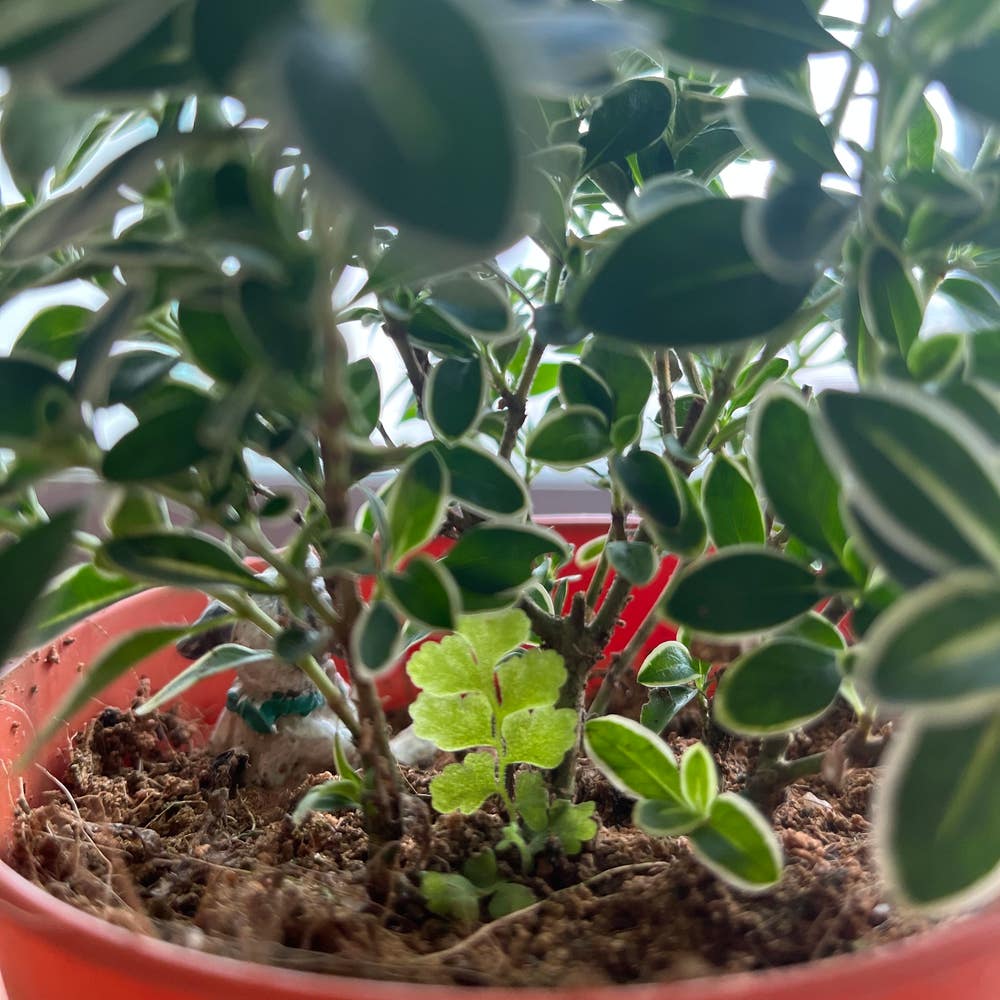
Why Are There Black Spots on My Snowrose Leaves?
Serissa japonica
By the Greg Editorial Team
Jun 18, 2024•4 min read
This article was created with the help of AI so we can cover more plants for you. May contain errors. See one? Report it here.
- Black spots signal health issues, with dark margins hinting at severity.
- Fungal and bacterial causes differ; use copper-based or natural treatments.
- Adjust care and environment to prevent and address black spots on Snowrose.
Spotting the Trouble: Recognizing Black Spots
🚨 Visual Symptoms
Black spots on Snowrose leaves are warning signs. They're not just blemishes but indicators of potential health issues. These spots often begin as tiny specks and can expand into larger, irregular patches. Look for spots with dark margins or concentric rings, which are telltale signs of trouble. It's essential to inspect both the tops and undersides of leaves, as spots can appear on either side.
📈 Pattern and Progression
The pattern of spread is a distress signal. If new leaves are affected first, it's a sign of aggressive progression. Rapid spread of black spots suggests a serious problem. Keep track of how quickly they grow or merge—time is of the essence. Spots that appear water-soaked or change in texture are red flags that demand immediate attention.

Fungal Foes: Identifying and Treating Fungal Causes
🕵️ Spotting Fungal Culprits
Circular or irregular black spots on your Snowrose leaves are waving red flags for a fungal invasion. Unlike bacterial spots, which tend to look like water-soaked lesions, fungal spots are the party crashers that bring along a powdery or dusty texture. If you spot a halo around these black marks, it's the signature of a fungal fiesta.
💣 Fungicide to the Rescue
When it comes to fungicides, think of them as bouncers at the door of your plant's exclusive party. Copper-based fungicides are popular, acting more like a barrier than a cure. For a greener approach, hydrogen peroxide sprays or cinnamon dust can be surprisingly effective. Always spot test first — you're not looking to trade one problem for another. And remember, patience is key; these treatments are slow and steady winners. Keep an eye out for improvement and reapply as needed, but don't expect overnight miracles.

Bacterial Battles: Identifying and Treating Bacterial Causes
🚨 Signs of Bacterial Blight
Black spots on Snowrose leaves can be a red flag for bacterial blight. Unlike fungal spots, these are irregular in shape and may have a yellow halo. They can ooze and emit a foul odor. If the spots penetrate through the leaf, it's likely bacteria are the culprits. These pathogens thrive in moist conditions and can spread rapidly, so it's crucial to act fast.
💊 Antibacterial Action Plan
When bacterial blight hits, think like a surgeon: isolate and excise. Remove the affected leaves with sterilized scissors to prevent spread. Improve air circulation and consider copper-based treatments, akin to plant antibiotics. Remember, these are for containment, not cure. Prevention is your best bet—avoid overwatering and ensure good drainage. Keep an eye out for weather forecasts that signal high humidity, as this can be prime time for bacteria to party on your plants.

Environmental Factors: Connecting Stress to Spots
🚨 Stress Signals
Environmental stressors are a silent adversary for Snowrose plants, often manifesting as black spots on the leaves. Inconsistent lighting or water stress can trigger these unsightly blemishes. It's crucial to recognize that too much direct sunlight or erratic watering can push a Snowrose into a state of distress.
🛠️ Stress Reduction Techniques
To combat environmental stress, start by adjusting light exposure to ensure bright, indirect light, avoiding the harshness of direct sun. Maintain a consistent watering schedule, avoiding both over and under-watering. Ensure the plant's soil has proper drainage to prevent waterlogging. Temperature stability is key; avoid placing your Snowrose near heat sources or drafts that can cause fluctuating conditions. Lastly, air circulation should be optimized to prevent stagnant conditions that favor bacterial growth. Keep the environment as predictable as a well-oiled clock to prevent those black spots from taking hold.
Immediate Actions: What to Do Right Now
🕵️ First Response
Upon noticing black spots on your Snowrose leaves, it's time to spring into action. Isolate the plant immediately; think of it as putting your leafy friend in a protective bubble.
🧼 Quarantine and Clean-Up
Prune the spotted leaves with sterilized shears to prevent the spread of potential pathogens. It's like you're a surgeon removing the bad to protect the good. After the operation, give your tools a thorough clean—this isn't just housekeeping, it's plant healthcare.
Next, reassess the plant's environment. Ensure it's not a petri dish for further issues. Airflow is your ally, and excess moisture, your foe. Adjust your watering habits and consider the lighting situation. It's all about creating a zen garden for your Snowrose, minus the black spots.
Remember, vigilance is key. Keep an eye on your plant post-op. New growth without spots? That's your green light that you're winning the battle.
⚠️ Safety First
This content is for general information and may contain errors, omissions, or outdated details. It is not medical, veterinary advice, or an endorsement of therapeutic claims.
Always consult a qualified healthcare professional before using any plant as food, medicine, or supplement.
Never eat any plant (or feed one to pets) without confirming its identity with at least two trusted sources.
If you suspect poisoning, call Poison Control (800) 222-1222, the Pet Poison Helpline (800) 213-6680, or your local emergency service immediately.
Spotted an error? Please report it here.