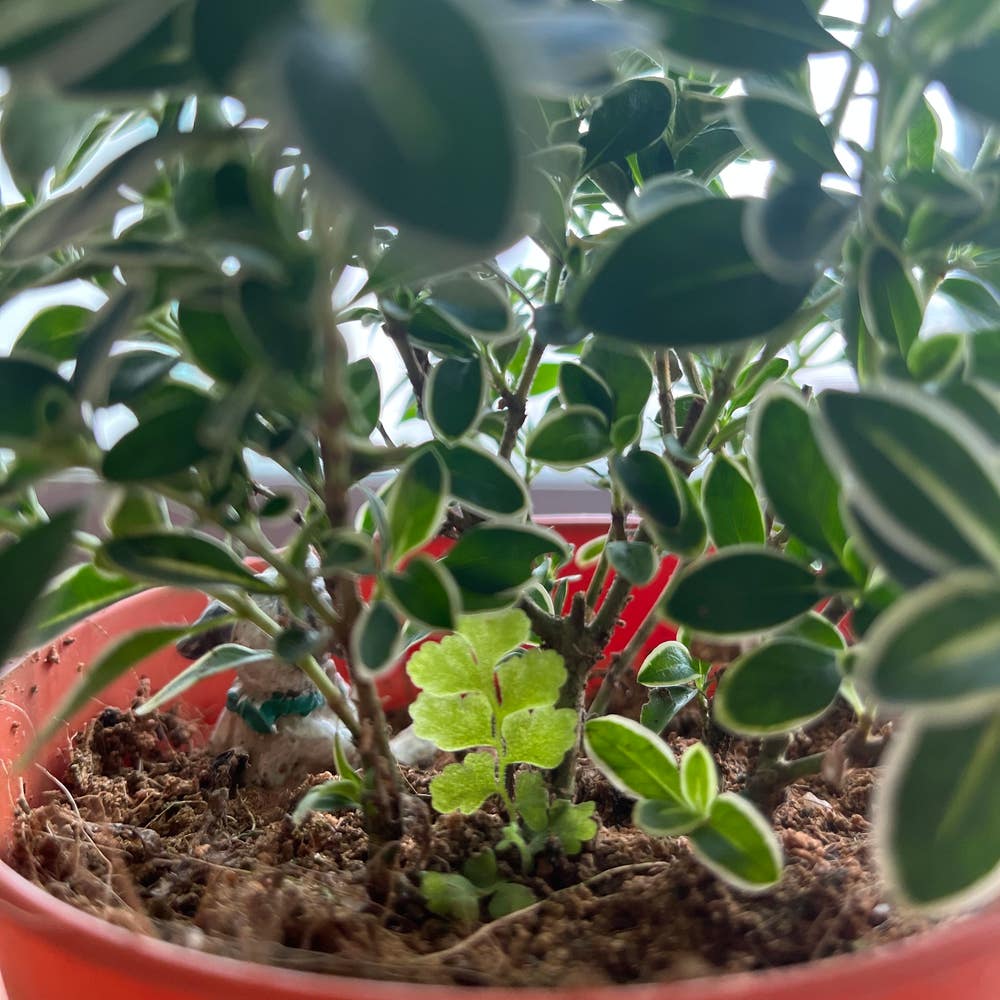
Why Are My Snowrose Leaves Mushy?
Serissa japonica
By the Greg Editorial Team
Jun 18, 2024•4 min read
This article was created with the help of AI so we can cover more plants for you. May contain errors. See one? Report it here.
- Overwatering leads to root rot, causing mushy, smelly leaves.
- Underwatering causes dry, brittle foliage; balance is key.
- Prevent fungal issues with clean practices and proper potting.
Spotting the Trouble: Signs Your Snowrose is Unhappy
💦 Overwatering Woes
Leaves turning into a squishy mess? You might be drowning your Snowrose in excess water. Overwatering can lead to root rot, a condition where roots turn brown or black, emit a foul smell, and ultimately cause leaf mushiness. It's a stealthy plant killer, often going unnoticed until it's too late.
🏜️ Underwatering Uh-Oh
Conversely, if your Snowrose's leaves are as crispy as autumn leaves, it's sending an SOS for hydration. Underwatering leads to dry, brittle foliage, and a Snowrose in dire need of a drink. Check the soil; if it's drier than a desert, it's time to water. But don't go overboard—slow and steady wins the race.
🍄 Fungus Among Us
Spotty leaves? Slimy textures? You've got a fungal infection on your hands. Fungi love to feast on overwatered Snowroses, leaving behind a trail of destruction marked by blemishes and mushy leaves. Act fast to prevent your Snowrose from becoming a fungal banquet.

Turning the Tide: Saving Your Snowrose
💧 Watering Wisdom
Finding the sweet spot for watering your Snowrose is like tuning a guitar; it needs to be just right. Overwatering is a common misstep, leading to mushy leaves and root rot. Conversely, underwatering turns your plant into a dry, leaf-dropping mess. To strike a balance, water only when the top inch of soil is dry. Ensure thorough watering, but always empty the saucer to avoid soggy conditions.
🌱 Soil and Drainage Savvy
The right potting mix for your Snowrose should feel like a cozy bed—rich and comfortable yet never waterlogged. Aim for a mix that's loose, airy, and well-draining. Incorporate materials like perlite or sand to improve drainage. When repotting, choose a pot that's a snug fit; Snowroses have a thing for being slightly root-bound. Remember, repotting is a spring or summer gig when your plant is ready to grow.
🌿 The Perfect Potting Mix
- Organic matter is your friend; it's the life of the party in your potting mix.
- Add perlite or vermiculite; these are the bouncers, keeping excess water from crashing the roots.
Repotting Rights and Wrongs
- Spring or summer—that's your repotting season.
- A pot that's just a size up is the golden ticket; too big, and you're setting sail on the SS Root Rot.
- Terracotta pots are the unsung heroes, wicking away moisture and keeping roots happy.
- Drainage holes aren't optional; they're as crucial as the exit doors on an airplane.

Fungus-Free Future: Keeping Diseases at Bay
🧼 Clean and Quarantine
When your Snowrose shows signs of a fungal fiesta, isolation is key. Remove the plant from its botanical buddies to prevent the spread. Sanitize your tools with alcohol or a 10% bleach solution after trimming away affected areas. Remember, cleanliness is not just for show; it's a disease deterrent.
🌿 Fungicide to the Rescue
Fungal foes beware: fungicides are the Snowrose's knights in shining armor. Start with organic options like a baking soda and soap mix; it's like a detox for your plant's leaves. If the situation escalates, copper-based fungicides or products like Daconyl are the heavy artillery. Always follow the label to a T – it's the difference between a remedy and a whole new problem.

Prevention is Key: Long-Term Health for Your Snowrose
💧 Consistent Care Schedule
Crafting a watering routine is crucial for Snowrose longevity. Overwatering leads to mushy leaves, while underwatering leaves them crispy. Strike a balance by checking the soil's moisture level before each watering. If it's dry two inches down, it's time to water. Use room temperature water to avoid shocking the plant's roots.
🌡️ Environment Essentials
Temperature and humidity play a massive role in your Snowrose's comfort. Avoid drastic fluctuations; think of your plant's environment as a cozy, stable bubble. Use a thermometer and hygrometer to monitor conditions. Keep your Snowrose away from direct heat sources and drafts. In dry climates, a pebble tray with water can add just the right amount of moisture. Conversely, in humid areas, a dehumidifier might be your Snowrose's best friend.
⚠️ Safety First
This content is for general information and may contain errors, omissions, or outdated details. It is not medical, veterinary advice, or an endorsement of therapeutic claims.
Always consult a qualified healthcare professional before using any plant as food, medicine, or supplement.
Never eat any plant (or feed one to pets) without confirming its identity with at least two trusted sources.
If you suspect poisoning, call Poison Control (800) 222-1222, the Pet Poison Helpline (800) 213-6680, or your local emergency service immediately.
Spotted an error? Please report it here.
Avoid the mushy-leaf blues in your Snowrose by following Greg's tailored care plan 🌱, ensuring just-right watering and a happy, healthy plant.