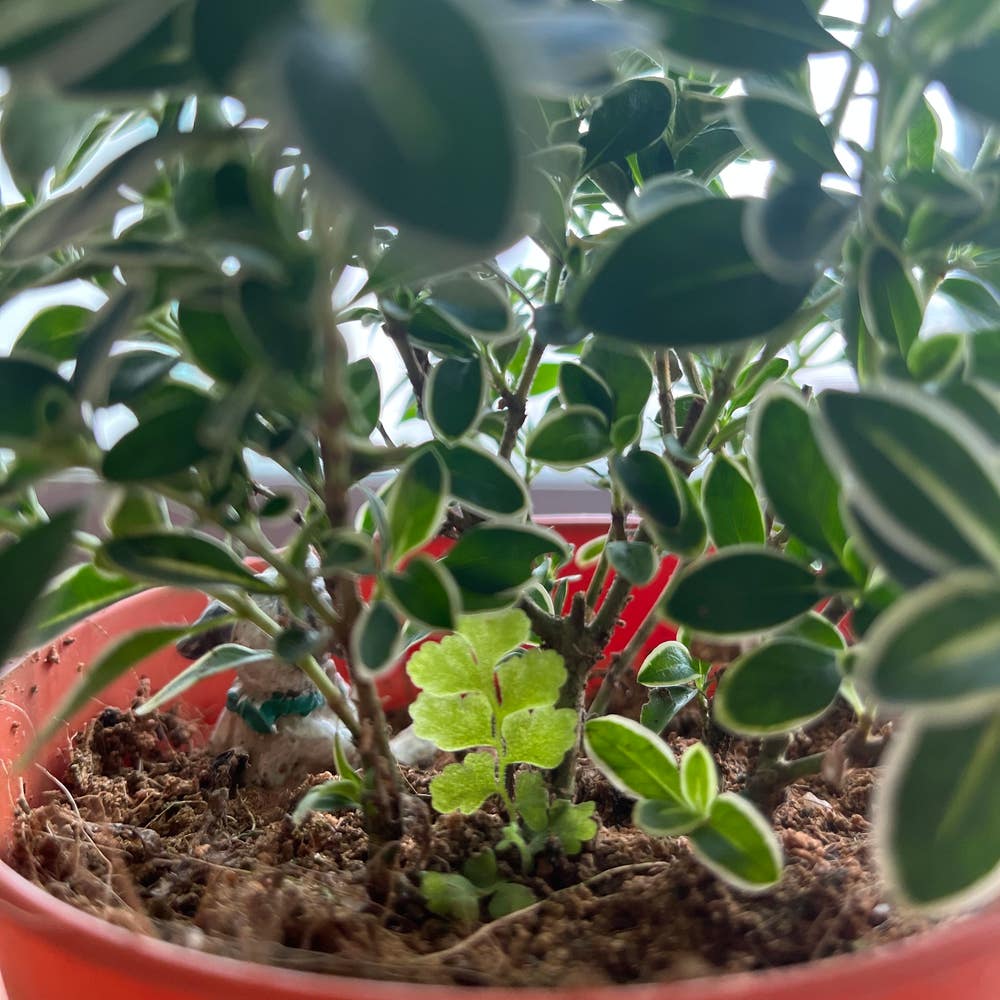
Why Is My Snowrose Not Doing Well?
Serissa japonica
By the Greg Editorial Team
Jun 18, 2024•5 min read
This article was created with the help of AI so we can cover more plants for you. May contain errors. See one? Report it here.
- Adjust watering with seasons: moist soil good, soggy bad.
- Bright, indirect light, 65-75°F: ideal for Snowrose health.
- Inspect and treat pests: use neem oil or natural predators.
Thirsty or Drowning? Balancing Snowrose Water Needs
🚰 Spotting the Signs
Dry and thirsty Snowrose plants will have leaves that look more like crumpled paper than lush greenery. The soil will be your telltale; if it's dry as a bone, your plant is calling for a drink. On the flip side, overwatering makes leaves swell like balloons, and the soil will feel like a soggy mess.
🚰 Fine-Tuning Your Watering Routine
Adjusting your watering routine isn't rocket science, but it does require vigilance. Seasonal changes mean you'll be watering less when the weather cools and more when it heats up. Always check the soil's moisture level before watering—aim for a consistency that's moist, not drenched. Remember, your Snowrose prefers a steady sip over a flood.

Light and Temperature: The Goldilocks Zone for Snowrose
🌞 Too Much or Too Little?
Recognizing the symptoms of poor light and temperature conditions is crucial for your Snowrose's health. Leaves that are wilting or discolored can signal distress.
🌿 Creating the Ideal Environment
To create the perfect spot for your Snowrose, aim for bright, indirect sunlight. Direct rays can be harsh, so a position near a window with filtered light is best.
🌡️ Temperature Sweet Spot
Keep the temperature steady between 65°F and 75°F (18°C to 24°C). This range supports robust growth without pushing the plant into survival mode.
🚫 Avoiding Temperature Extremes
Steer clear of placing your Snowrose near radiators or air conditioners. Sudden temperature changes are as welcome as a snowball in the face.
🔄 Light Consistency
Rotate your plant regularly to prevent it from becoming the Leaning Tower of Pisa. Consistent light exposure ensures balanced growth.
💡 When Sunlight is Scarce
If your home is as dim as a candlelit dinner, consider a grow light. It's like a sun substitute for your plant's photosynthetic needs.
❄️ Winter Care
During the chillier months, your Snowrose might slow down and shed leaves. Reduce watering and keep the plant cozy, away from frosty windows.
Remember, your Snowrose doesn't have a voice, but its leaves are like a mood ring, changing to tell you exactly what it needs. Keep it in the Goldilocks zone, and you'll have a happy plant on your hands.

Unwanted Guests: Dealing with Pests on Your Snowrose
🕷️ Catching the Culprits
Pests can turn your Snowrose from a showpiece into a sorry sight. Spider mites leave behind silky webs and speckled leaves. Aphids prefer the undersides of leaves, forming tight-knit colonies. Mealybugs are the fluffy white destroyers, leaving cotton-like clusters. Regular inspections are your best bet for early detection.
🌿 Natural Defenses and Treatments
Neem oil is your plant's organic knight in shining armor against these pests. Apply it thoroughly, as pests are masters of hide-and-seek. Introducing natural predators like ladybugs can be an effective, chemical-free solution. They see aphids as a gourmet treat. For more severe infestations, consider organic pesticides like Pyrethrin, but always follow label instructions. Remember, a healthy Snowrose is less appealing to pests, so keep it thriving to avoid unwanted guests.

When the Heat Is Too Much: Preventing Leaf Scorch
🚨 Recognizing the Burn
Leaf scorch on your Snowrose is like a red flag signaling too much sun. Look for brown patches, bleached colors, and a texture that's gone from lush to crispy. These symptoms mean your plant's been baking in the sun's oven a bit too long.
🌴 Shading and Cooling Strategies
To combat the heat, relocate potted Snowroses to a shadier haven or indoors. For those in the ground, a sunshade or companion planting can offer a cool reprieve. Morning sun is your friend; it's the intense afternoon rays you want to dodge. Keep your watering game strong to help your plant stay hydrated and resilient against the heat's onslaught.
The Silent Killers: Mold, Fungus, and Root Rot
🕵️ Spotting Trouble Below the Surface
Root rot, mold, and fungus are the silent assassins of the plant world, often going unnoticed until they've done significant damage. Early detection is crucial. If your Snowrose's growth has stalled or the leaves have taken on a soggy texture, be wary. When roots resemble something from a horror scene—dark, slimy, and smelling of decay—it's a clear signal of root rot. Mold and fungus, on the other hand, announce their presence with a white, fuzzy growth on the soil or a musty odor. These issues thrive in damp conditions and can lead to a plant's demise if not addressed promptly.
Saving Your Snowrose
To save your Snowrose from these underground threats, immediate action is required. Begin by assessing the soil moisture—over-watering is often the root of the problem. Ensure the pot has adequate drainage and consider repotting with fresh, well-draining soil. Trim away any damaged roots with sanitized tools to prevent the spread of disease. For mold and fungus, reduce watering and increase air circulation around the plant. If necessary, apply a fungicide, but prevention is key—keep the soil on the drier side and remove any dead leaves to discourage mold growth. With vigilance and prompt treatment, your Snowrose can recover from these silent killers.
⚠️ Safety First
This content is for general information and may contain errors, omissions, or outdated details. It is not medical, veterinary advice, or an endorsement of therapeutic claims.
Always consult a qualified healthcare professional before using any plant as food, medicine, or supplement.
Never eat any plant (or feed one to pets) without confirming its identity with at least two trusted sources.
If you suspect poisoning, call Poison Control (800) 222-1222, the Pet Poison Helpline (800) 213-6680, or your local emergency service immediately.
Spotted an error? Please report it here.
Turn your Snowrose's frown upside down by tweaking its environment 🌡 with Greg's custom care plans, ensuring it always has the perfect amount of water, light, and love.