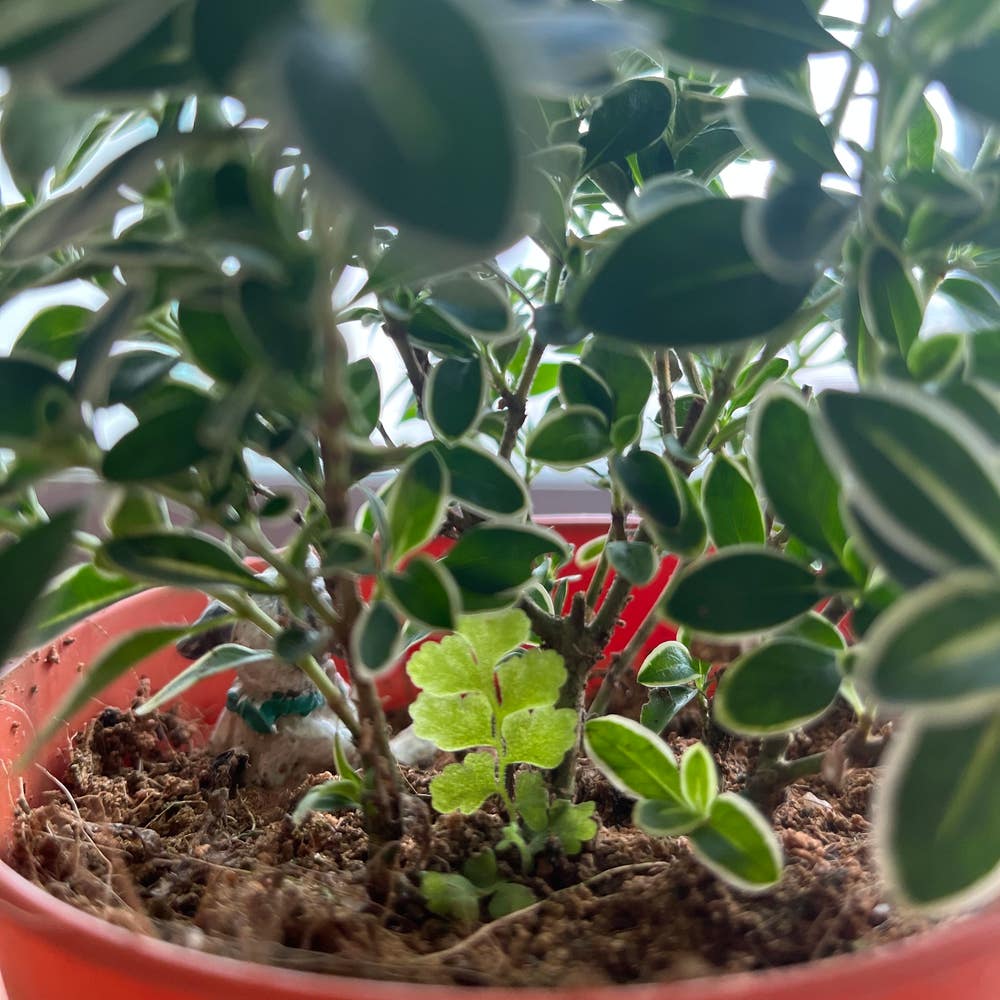
❄️ Best Time to Plant Your Snowrose
Serissa japonica
By the Greg Editorial Team
Oct 02, 2024•13 min read
This article was created with the help of AI so we can cover more plants for you. May contain errors. See one? Report it here.
- 🌱 Best planting times vary: March-April in Florida, May-June in New York.
- 🌡️ Start seeds indoors 6-8 weeks before the last frost for a head start.
- 🌍 Understand local climates to optimize Snowrose planting and ensure healthy growth.
Regional Planting Recommendations
Florida: Ideal Month and Conditions 🌴
For Florida, the best time to plant your Snowrose is between March and April. This timing takes advantage of the warm soil, crucial for healthy growth.
Monitoring local frost dates is essential to avoid late frosts that could damage young plants. Early spring planting ensures your Snowrose gets a head start in the warm climate.
California: Optimal Timing and Factors 🌊
In California, aim to plant from March to May. The state's diverse climate zones mean coastal areas may differ significantly from inland regions.
Soil temperature is a key factor here. Regular monitoring ensures that conditions are just right for your Snowrose to thrive.
Texas: Best Months for Planting 🤠
Texas also recommends planting your Snowrose in March to April. The warm climate during early spring is perfect for germination.
However, keep in mind that Texas has various regional climates. Adjust your planting schedule based on your specific area for the best results.
New York: Seasonal Considerations 🍎
For New York, the ideal planting window is late May to early June. This timing is crucial to ensure you plant after the last frost.
Soil warming is another factor to consider. Waiting until temperatures are optimal will help your Snowrose flourish.
Colorado: Timing for Success 🏔️
In Colorado, late May to early June is the recommended planting period. High altitude can affect soil warming, so patience is key.
Frost sensitivity is a significant concern in this region. Regularly check local frost dates to protect your young plants.
Understanding these regional recommendations will set you up for success. Next, let’s explore effective seed starting techniques to further enhance your planting journey.
Seed Starting Techniques
🌱 Starting Seeds Indoors: Timing and Tips
Starting seeds indoors is a fantastic way to get a jump on the growing season. Aim to start your seeds 6-8 weeks before the last expected frost date for the best results.
Optimal Indoor Conditions
To ensure successful germination, maintain a temperature of around 70°F (21°C). Light is crucial too; consider using grow lights or placing your seedlings near a sunny window to provide adequate illumination.
Transplanting Seedlings
Once your seedlings have developed, it's time to transplant them. Allow them to harden off for 7-10 days before moving them outdoors, and ensure they have enough space to grow comfortably.
🌍 Direct Sowing: When and How
Direct sowing is another effective method for planting your seeds. The ideal time for this is after the last frost date when soil temperatures are optimal for germination.
Sowing Depth and Spacing
When sowing, plant seeds about 1/4 inch deep. For optimal growth, space them 12-18 inches apart to give each plant room to thrive.
Watering and Care Post-Sowing
After sowing, maintaining consistent moisture is key. Keep the soil evenly moist to encourage healthy seedling development.
These seed starting techniques can set you up for a successful gardening season. Next, let’s explore the factors that influence planting timing across different regions.
Factors Influencing Planting Timing
🌦️ Climate Variability Across Regions
Understanding local climate zones is crucial for determining the best planting times. Different regions experience varying temperatures, precipitation patterns, and seasonal changes, all of which can significantly impact when to plant your Snowrose.
Microclimates also play a vital role in planting timing. These unique local conditions, such as sheltered areas or heat-absorbing surfaces, can create variations in temperature and moisture levels, making it essential to recognize them for successful gardening.
🌱 Soil Preparation and Temperature Monitoring
Soil preparation is foundational for healthy plant growth. Ensuring well-drained soil not only promotes root development but also helps prevent diseases that can arise from overly saturated conditions.
Monitoring soil temperature is equally important. Use soil thermometers or conduct simple soil tests to gauge the warmth of your planting area, ensuring it aligns with the optimal conditions for your Snowrose to thrive.
By paying attention to these factors, you can set yourself up for successful planting. Next, we’ll explore effective seed starting techniques to get your Snowrose off to a great start.
Comprehensive Planting Guide
List of All 52 States and Recommended Planting Times 🌱
Here's a handy guide to help you determine the best months for planting your Snowrose across the United States. Each state has unique conditions that influence planting timing.
| State | Recommended Planting Month | Considerations |
|---|---|---|
| Alabama | March to April | Warm climate; monitor local frost dates. |
| Alaska | Late June to July | Short growing season; focus on soil warmth. |
| Arizona | March to May | Hot summers; plant early for best results. |
| Arkansas | March to April | Warm soil; avoid late frosts. |
| California | March to May | Coastal vs. inland climate variations. |
| Colorado | Late May to early June | High altitude; monitor frost dates. |
| Connecticut | Late May to early June | Wait for soil to warm up. |
| Delaware | April to May | Early spring planting is ideal. |
| Florida | March to April | Warm climate; avoid late frosts. |
| Georgia | March to April | Early spring is best for germination. |
| Hawaii | Year-round | Consistent temperatures; monitor rainfall. |
| Idaho | Late May to early June | Soil warming is crucial. |
| Illinois | Late May to early June | Frost dates are critical. |
| Indiana | Late May to early June | Wait until after the last frost. |
| Iowa | Late May to early June | Soil temperature is key. |
| Kansas | March to April | Warm climate; monitor local conditions. |
| Kentucky | April to May | Early spring planting recommended. |
| Louisiana | March to April | Warm climate; avoid late frosts. |
| Maine | Late May to early June | Frost dates are crucial. |
| Maryland | April to May | Early spring is ideal. |
| Massachusetts | Late May to early June | Wait for soil to warm up. |
| Michigan | Late May to early June | Monitor frost dates closely. |
| Minnesota | Late May to early June | Short growing season; soil warming is key. |
| Mississippi | March to April | Warm climate; avoid late frosts. |
| Missouri | March to April | Early spring is best for germination. |
| Montana | Late May to early June | High altitude; monitor frost dates. |
| Nebraska | Late May to early June | Soil temperature is key. |
| Nevada | March to May | Hot summers; plant early for best results. |
| New Hampshire | Late May to early June | Wait for soil to warm up. |
| New Jersey | April to May | Early spring planting is ideal. |
| New Mexico | March to May | Warm climate; monitor local conditions. |
| New York | Late May to early June | Frost dates are critical. |
| North Carolina | March to April | Warm climate; avoid late frosts. |
| North Dakota | Late May to early June | Short growing season; soil warming is key. |
| Ohio | Late May to early June | Monitor frost dates closely. |
| Oklahoma | March to April | Warm climate; monitor local conditions. |
| Oregon | March to May | Coastal vs. inland climate variations. |
| Pennsylvania | Late May to early June | Wait for soil to warm up. |
| Rhode Island | Late May to early June | Early spring planting recommended. |
| South Carolina | March to April | Warm climate; avoid late frosts. |
| South Dakota | Late May to early June | Short growing season; soil warming is key. |
| Tennessee | March to April | Warm climate; monitor local conditions. |
| Texas | March to April | Warm climate; consider regional variations. |
| Utah | March to May | Hot summers; plant early for best results. |
| Vermont | Late May to early June | Frost dates are crucial. |
| Virginia | April to May | Early spring is ideal. |
| Washington | March to May | Coastal vs. inland climate variations. |
| West Virginia | April to May | Early spring planting recommended. |
| Wisconsin | Late May to early June | Monitor frost dates closely. |
| Wyoming | Late May to early June | High altitude; monitor frost dates. |
Summary of Key Factors for Successful Planting 🌼
To ensure your Snowrose thrives, keep these critical factors in mind:
- Frost Dates: Always check local frost dates to avoid planting too early.
- Soil Temperature: Warm soil is essential for germination; use a thermometer to monitor conditions.
- Day Length: Longer days can enhance growth, so consider seasonal changes in your area.
By understanding these elements, you'll be well-equipped to plant your Snowrose at the right time, setting the stage for a flourishing garden. Next, let’s explore seed starting techniques that will further enhance your planting success!
⚠️ Safety First
This content is for general information and may contain errors, omissions, or outdated details. It is not medical, veterinary advice, or an endorsement of therapeutic claims.
Always consult a qualified healthcare professional before using any plant as food, medicine, or supplement.
Never eat any plant (or feed one to pets) without confirming its identity with at least two trusted sources.
If you suspect poisoning, call Poison Control (800) 222-1222, the Pet Poison Helpline (800) 213-6680, or your local emergency service immediately.
Spotted an error? Please report it here.
Get your Snowrose blooming at the perfect time 🌱 with Greg's tailored planting reminders and local climate insights to help your garden thrive!