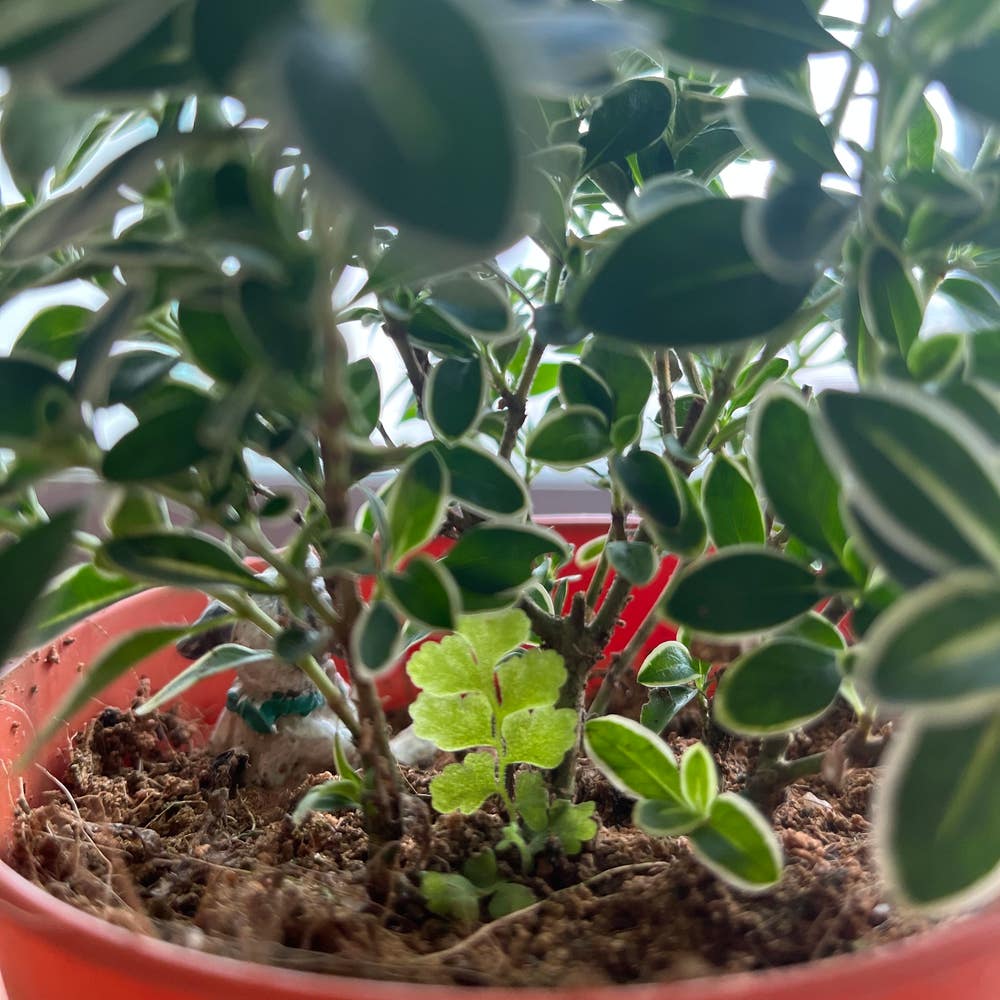
❄️ 6 Winter Threats to Your Snowrose
Serissa japonica
By the Greg Editorial Team
Oct 02, 2024•4 min read
This article was created with the help of AI so we can cover more plants for you. May contain errors. See one? Report it here.
- ❄️ Frost protection is vital; use mulch and frost cloths to shield your Snowrose.
- 💧 Water every 2-4 weeks in winter to prevent root rot and overwatering.
- 🌱 Avoid fertilizing during dormancy; wait until late winter for new growth.
Winter Care Requirements
❄️ Frost Protection Techniques
Frost can be a sneaky enemy for your Snowrose. Start by applying a layer of organic mulch, about 2-3 inches thick, around the base to insulate the roots.
For added protection, use frost cloths or burlap to shield your plants from extreme temperatures. Make sure to position your Snowrose away from cold winds and frost pockets to minimize exposure.
💧 Adjusting Watering Schedules
During winter, it's crucial to adjust your watering frequency. Aim to water your Snowrose once every 2-4 weeks, depending on the moisture levels in the soil.
Watch for signs of overwatering, such as yellowing leaves or mushy stems. Ensuring that your pots or garden beds have adequate drainage is vital to prevent root rot.
🌱 Fertilizing in Winter
Generally, it's best to avoid fertilizing your Snowrose during its dormant period. However, if you notice growth resuming early, a diluted, slow-release fertilizer can be beneficial.
Timing is key; fertilize in late winter or early spring as new growth appears. This will give your plant the nutrients it needs to thrive when the warmer weather arrives.
With these winter care requirements in mind, you can help your Snowrose survive the cold months. Next, let's explore how to provide indoor care during winter.
Indoor Winter Care
🌨️ When to Bring Indoors
As winter approaches, it's crucial to monitor your Snowrose for signs that it needs to come indoors. Look out for prolonged frost warnings or extreme cold temperatures; these are clear indicators that it's time to act.
Typically, you should bring your plant indoors in late fall or early winter. This timing helps ensure your Snowrose stays healthy and protected from harsh outdoor conditions.
☀️ Ideal Indoor Conditions
Once indoors, your Snowrose will thrive best in bright, indirect sunlight. If natural light is limited, consider using grow lights to supplement its needs.
Maintaining a temperature range between 60°F to 70°F (15°C to 21°C) is essential for optimal growth. Additionally, keep humidity levels moderate; using a humidity tray or misting can help create a more favorable environment.
By providing these ideal indoor conditions, you set your Snowrose up for success during the winter months. This care will not only protect your plant but also prepare it for a vibrant spring ahead.
Spring Preparation
Signs of recovery from winter damage 🌱
As winter fades, your Snowrose will start to show signs of recovery. Look for fresh leaves and buds emerging, signaling that your plant is ready to thrive again.
You may also notice color changes, with green foliage returning from a brown or wilted state. This transformation is a positive indicator of your plant's health.
Additionally, check the root health by gently tugging on the plant. Firm roots suggest that your Snowrose has survived the winter well.
Preparing for spring growth 🌼
To encourage new growth, start with pruning. Remove any dead or damaged foliage to give your Snowrose a fresh start.
Next, consider soil amendment. Refresh the soil with organic compost to enhance nutrients, ensuring your plant has everything it needs to flourish.
Finally, adjust your watering schedule. Gradually increase the frequency as temperatures rise, allowing your Snowrose to soak up the moisture it craves.
With these steps, your Snowrose will be well-prepared for a vibrant spring season. Transitioning into this new growth phase is essential for its overall health and beauty.
Common Winter Threats
❄️ Identifying and mitigating frost damage
Frost damage can be a significant threat to your Snowrose. Look for symptoms like wilting, browning, or blackened leaves, which indicate that your plant is struggling.
If you notice these signs, act quickly. Remove any damaged parts and provide warmth by covering the plant with frost cloths or burlap to shield it from further cold exposure.
For long-term protection, keep an eye on weather forecasts. Being proactive can help you prepare in advance for sudden drops in temperature.
🥶 Addressing cold hardiness issues
Understanding cold hardiness is crucial for selecting the right Snowrose varieties. Different types have varying tolerances to cold, so knowing your plant's limits can save you from future headaches.
Assess your local climate and choose varieties suited for your specific hardiness zone. This ensures that your Snowrose can thrive even in the harshest winter conditions.
If you have less hardy varieties, consider implementing additional frost protection. Simple measures can make a significant difference in keeping your plants safe during winter.
By staying informed and prepared, you can effectively combat these common winter threats and ensure your Snowrose remains healthy and vibrant. Next, let’s explore how to prepare your plant for the upcoming spring growth.
⚠️ Safety First
This content is for general information and may contain errors, omissions, or outdated details. It is not medical, veterinary advice, or an endorsement of therapeutic claims.
Always consult a qualified healthcare professional before using any plant as food, medicine, or supplement.
Never eat any plant (or feed one to pets) without confirming its identity with at least two trusted sources.
If you suspect poisoning, call Poison Control (800) 222-1222, the Pet Poison Helpline (800) 213-6680, or your local emergency service immediately.
Spotted an error? Please report it here.
Keep your Snowrose thriving through winter's chill with Greg's tailored care reminders 🌨️, ensuring it’s protected from frost and ready to burst into life come spring!