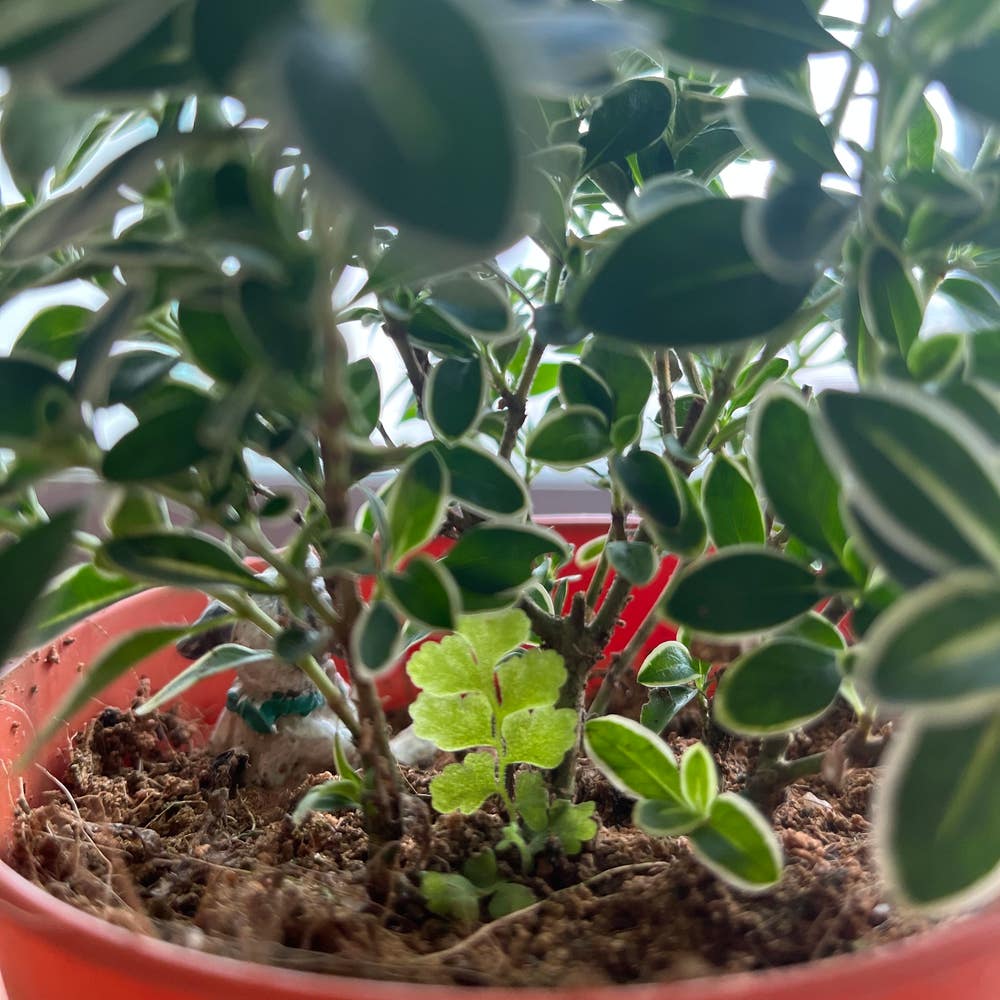
❄️ Growing Your Snowrose Indoors
Serissa japonica
By the Greg Editorial Team
Oct 02, 2024•5 min read
This article was created with the help of AI so we can cover more plants for you. May contain errors. See one? Report it here.
- 🌞 Snowrose needs 6-8 hours of bright, indirect sunlight for optimal growth.
- 💧 Water every 1-2 weeks, allowing soil to dry out to prevent root rot.
- 🌿 Maintain humidity at 30-50% and inspect for pests to ensure healthy growth.
Light Requirements
Natural Light vs. Grow Light 🌞
To thrive, your Snowrose needs 6-8 hours of bright, indirect sunlight daily. Direct sunlight can scorch the leaves, so it's crucial to find that sweet spot where your plant can soak up the light without getting burned.
Best Grow Light Options 💡
When natural light isn't enough, consider using grow lights. LED and fluorescent lights are popular choices, but full-spectrum grow lights with a color temperature between 5000K and 6500K are ideal for promoting healthy growth.
For optimal results, place your grow lights 12-24 inches above the plant. This distance ensures your Snowrose gets the right intensity without the risk of overheating.
With the right light setup, your Snowrose will flourish, setting the stage for a vibrant indoor garden. Next, let’s dive into the watering needs to keep your plant hydrated and happy.
Watering Needs
Frequency and Method 🌊
Watering your Snowrose is straightforward. Aim for a schedule of every 1-2 weeks, ensuring the soil dries out between waterings.
To water effectively, do so thoroughly until you see it draining from the bottom. This method helps prevent root rot and keeps your plant happy.
Signs of Overwatering and Underwatering 🚨
Recognizing the signs of overwatering is crucial. Look for yellowing leaves, mushy stems, and root rot as indicators that you might be giving your plant too much love.
On the flip side, underwatering shows up as wilting leaves, a shriveled appearance, and even leaf drop. Keeping an eye on these signs will help you maintain a healthy Snowrose.
With a solid understanding of watering needs, you're well on your way to nurturing your Snowrose. Next, let’s explore how humidity and temperature control can further enhance its growth.
Humidity and Temperature Control
Ideal Humidity Levels 🌧️
For your Snowrose to thrive, aim for humidity levels between 30-50%. This range is crucial for optimal growth and helps prevent issues like leaf drop.
To maintain this humidity, consider using pebble trays filled with water or investing in a humidifier. Both methods can effectively boost moisture in the air, creating a more favorable environment for your plant.
Temperature Range for Optimal Growth 🌡️
The ideal temperature for your Snowrose is between 20°C to 25°C (68°F to 77°F). Keeping your plant within this range will promote healthy growth and vibrant blooms.
While Snowroses can tolerate brief drops to 10°C (50°F), it's essential to protect them from frost. Sudden temperature changes can stress the plant, leading to unwanted issues like discoloration or stunted growth.
By ensuring the right humidity and temperature, you set the stage for a flourishing Snowrose. Next, let’s explore the best soil and fertilization practices to keep your plant thriving.
Soil and Fertilization
Best Soil Type 🌱
For your Snowrose, a well-draining cactus or succulent potting mix is essential. This type of soil prevents water from pooling, which can lead to root rot.
To enhance drainage further, consider adding perlite or sand. These materials create air pockets, allowing roots to breathe and thrive.
Fertilization Schedule and Types 🗓️
Fertilizing your Snowrose every 4-6 weeks during the growing season—spring and summer—is key to its health. This regular feeding supports robust growth and encourages beautiful blooms.
Opt for a balanced liquid fertilizer with an NPK ratio of 10-10-10, diluted to half strength. This ensures your plant receives the nutrients it needs without overwhelming it.
By maintaining a proper soil mix and fertilization schedule, you set the stage for a thriving Snowrose. Next, let’s explore how to tackle common issues that may arise during its growth.
Common Issues and Solutions
🐛 Pests and Diseases
Snowrose plants can attract a few common pests, including mealybugs, aphids, and spider mites. Regular inspection is crucial; keeping your plant clean and using neem oil can help prevent these infestations.
If you do encounter pests, treatment options like insecticidal soap or horticultural oil can effectively manage the problem. Staying proactive is key to maintaining a healthy plant.
🌪️ Environmental Stress Factors
Environmental stress can manifest in various ways, such as leaf drop, discoloration, and stunted growth. Recognizing these signs early can save your plant from further decline.
To address stress, start by adjusting light exposure and refining your watering practices. Ensuring the right humidity and temperature levels will also contribute to your Snowrose's overall health.
By staying vigilant and responsive to these common issues, you can enjoy a thriving Snowrose indoors. Next, let’s explore the best placement and maintenance techniques to keep your plant looking its best.
Placement and Maintenance
Best Locations in the Home 🌞
For your Snowrose, the best spots are south or west-facing windows. These locations provide the maximum light your plant craves.
Avoid placing your Snowrose near drafts, such as air conditioning vents or heaters. This will help maintain a stable environment for optimal growth.
Tips for Maintaining Appearance ✂️
Regular pruning is key to keeping your Snowrose looking its best. Pinch back stems to encourage bushier growth and remove any dead or yellowing leaves to promote overall health.
As the seasons change, adjust your care routine accordingly. In winter, reduce watering frequency and keep an eye on light levels to prevent leggy growth.
With these simple strategies, your Snowrose will thrive and bring beauty to your indoor space. Next, let’s explore how to address common issues and solutions for your plant care journey.
⚠️ Safety First
This content is for general information and may contain errors, omissions, or outdated details. It is not medical, veterinary advice, or an endorsement of therapeutic claims.
Always consult a qualified healthcare professional before using any plant as food, medicine, or supplement.
Never eat any plant (or feed one to pets) without confirming its identity with at least two trusted sources.
If you suspect poisoning, call Poison Control (800) 222-1222, the Pet Poison Helpline (800) 213-6680, or your local emergency service immediately.
Spotted an error? Please report it here.
Nurture your Snowrose to thrive indoors 🌿 with Greg's tailored care reminders and expert tips that ensure your plant gets just the right light, water, and nutrients!