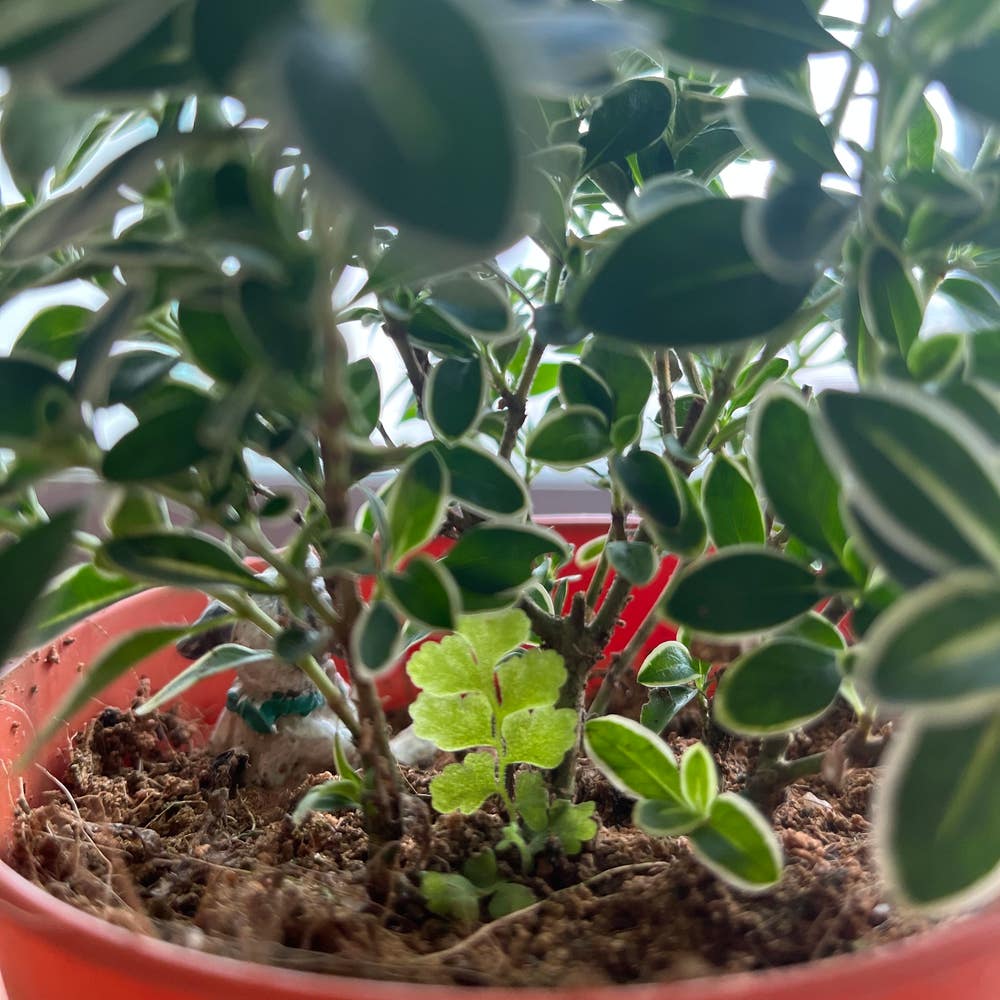
❄️ How Do I Know When My Snowrose Needs Water?
Serissa japonica
By the Greg Editorial Team
Jun 18, 2024•3 min read
This article was created with the help of AI so we can cover more plants for you. May contain errors. See one? Report it here.
- Wilting leaves? Time to water your snowrose.
- Soil dry an inch down? Your snowrose is thirsty.
- Yellow leaves and soggy soil? You're overwatering.
Spotting Thirsty Snowrose: Telltale Signs
🥤 Wilting and Drooping Leaves
Your snowrose's leaves are the first snitches when it comes to thirst. If they're slumping like a teenager in a classroom, it's a visual red flag for dehydration.
🏜️ Soil Check: Dryness Down Under
Dig a finger into the soil; if it feels as barren as a desert, your snowrose is screaming for a drink. This touch test is the old reliable for checking dryness.
🚨 Other SOS Signals from Your Snowrose
Brittle stems and brown leaf tips are the snowrose's version of a distress signal. If you spot these, it's high time to hydrate.

When Your Snowrose Has Had Too Much to Drink
💧 Yellow Leaves and Soggy Soil
Yellowing leaves can be a red flag for overwatering your snowrose. If the soil feels more like a wet sponge than a nurturing bed, you've likely been too generous with the watering can.
🌱 Root Rot: The Silent Killer
Root rot is the snowrose's covert nemesis. To spot it, channel your inner plant sleuth and inspect the roots. Healthy roots should look like fresh produce, not like leftovers forgotten in the fridge. If they're brown and mushy, it's time for some root rehab. Snip the bad parts away with the precision of a bonsai master and repot in soil that drains like a dream. Remember, moderation is key; your snowrose craves a drink, not a bath.

Watering Wisdom: How to Quench Your Snowrose's Thirst
💧 Frequency and Quantity: The Hydration Equation
Crafting the perfect watering schedule for your snowrose is more art than science. You're not just giving it a drink; you're serving a life-sustaining elixir.
- Monitor the soil like a hawk. In scorching summers, your snowrose may guzzle water more often. When it's cooler or humid, it might barely sip.
- Consistency is key, but not rigid. Adjust to the plant's needs, keeping the soil moist but not waterlogged.
- Deep watering is your friend. It encourages strong roots and a happy plant. Light sprinkles? Not so much. They can lead to a weak, needy snowrose.
🌱 Drainage and Soil Moisture: Keeping the Balance
Ensuring your snowrose isn't swimming or starving requires a Goldilocks approach to moisture levels.
- Check the soil before watering. If it's dry an inch down, it's time for a drink. If it's damp, hold off. Your snowrose isn't a fan of wet feet.
- Drainage holes are non-negotiable. They prevent the dreaded root rot by letting excess water escape. No drainage is like a bathtub with no plug.
- Room temperature water is the way to go. Cold water can shock the roots, and nobody wants that.
Remember, you're not just watering a plant; you're nurturing a living, breathing entity. So, keep your eyes peeled, your touch gentle, and your watering can at the ready.

Seasonal Sips: Adapting Watering Routines
🌞 Summer Soaks and Winter Whiffs
Adjusting your approach with the seasons is crucial for your snowrose's health. In the summer, your snowrose is like a sprinter in full stride, requiring more hydration to support vigorous growth and blooming. Increase watering during these months, but keep a vigilant eye out for signs of overwatering.
🏡 Indoor vs. Outdoor Snowrose: A Watering Guide
Navigating the nuances of environment-specific care is key. An indoor snowrose may need more frequent watering due to dry indoor air, especially if you're blasting the AC. Conversely, outdoor plants benefit from natural humidity but watch out for rain patterns. Adjust your watering schedule to the unique conditions of your snowrose's habitat.
⚠️ Safety First
This content is for general information and may contain errors, omissions, or outdated details. It is not medical, veterinary advice, or an endorsement of therapeutic claims.
Always consult a qualified healthcare professional before using any plant as food, medicine, or supplement.
Never eat any plant (or feed one to pets) without confirming its identity with at least two trusted sources.
If you suspect poisoning, call Poison Control (800) 222-1222, the Pet Poison Helpline (800) 213-6680, or your local emergency service immediately.
Spotted an error? Please report it here.
Ensure your snowrose thrives with just-right watering 💧 by using Greg to monitor soil moisture and adapt your watering schedule to your home's unique conditions.