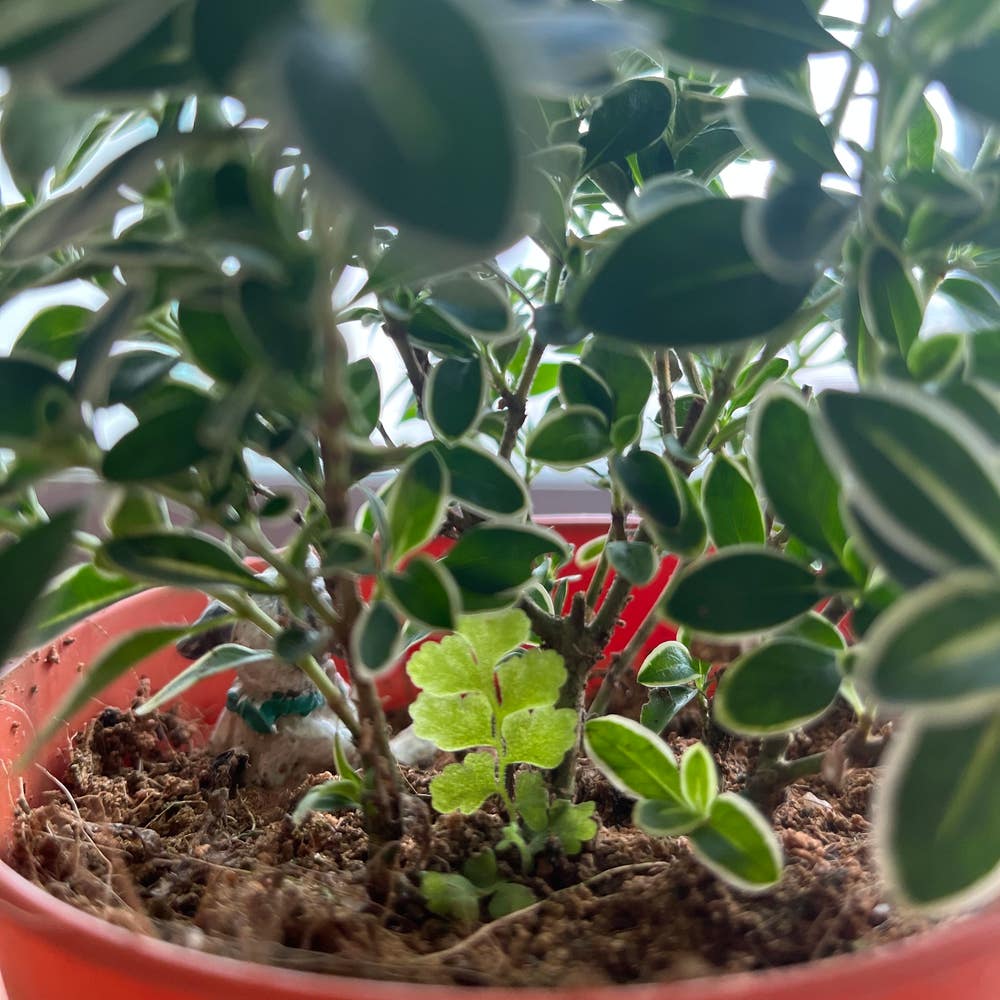
🌞 Is Direct Sunlight Good for My Snowrose?
Serissa japonica
By the Greg Editorial Team
Jun 18, 2024•3 min read
This article was created with the help of AI so we can cover more plants for you. May contain errors. See one? Report it here.
- 🌤️ Bright, indirect sunlight is ideal for Snowrose; direct sun can damage.
- Signs of sunburn: crispy leaves, faded color, brown spots.
- Adjust position seasonally to protect from harsh rays and maximize growth.
When the Sun Kisses Snowrose
🌞 Snowrose's Sunbathing Habits
Snowrose plants thrive in the limelight of bright, indirect sunlight. Direct sun? Not so much—it's like putting ice cream in an oven. They can handle a bit of morning or evening sun, but too much and you're asking for trouble.
🚨 Signs of Too Much Sun
Watch for leaves turning as crispy as overcooked bacon or fading like an old t-shirt. Brown spots? That's your Snowrose crying out for sunscreen. These are the SOS signals of too much solar love.
🎯 The Happy Medium
Finding the Goldilocks zone for your Snowrose involves a bit of trial and error. Aim for a spot that gets filtered sunlight, or where the sun's rays are gentle—think morning or evening. It's about giving your plant enough light to thrive without the risk of a sunburn.

Your Window, Snowrose's World
🧭 Direction Matters
Navigating the compass points of your windows is crucial for your Snowrose's health. South-facing windows in the Northern Hemisphere are like solar panels, soaking up maximum sunlight. But if you're down under, it's the north-facing windows that become the sun magnets.
Hemisphere Highlights
Adjusting care for your Snowrose based on your hemisphere is a game of opposites. In the Southern Hemisphere, north-facing windows offer the most sun exposure, while south-facing windows provide a gentler touch. Conversely, in the Northern Hemisphere, south-facing windows are the sun hubs, and north-facing ones offer a milder climate for your plant.
Remember, the angle of the sun changes with the seasons, so stay on your toes and be ready to move your Snowrose to a spot that's just right.

Shielding Snowrose from the Sun's Strongest Smooches
🎨 Creative Canopies
Sheer curtains: not just decor. They act as a soft filter for sunlight, giving your Snowrose the right amount of glow without the harshness. Think of them as a gentle sunscreen for your plant.
Shade cloths and umbrellas can also be plant lifesavers, especially during the peak sun hours. They're like personal clouds you can move around to protect your green buddy from getting scorched.
🚚 Relocation, Relocation, Relocation
The perfect spot for your Snowrose might just be a shuffle away. If it's catching too many rays, consider a shift to a place with indirect sunlight. A cozy nook away from the window or a spot with dappled light could be the new prime real estate for your plant.
Remember, it's not just about moving away from the light, but also about avoiding the heat. A spot that's bright in the morning but shaded in the afternoon could be your Snowrose's happy place.
Rotate your plant occasionally to ensure all sides receive equal light and avoid lopsided growth. It's like ensuring every part of the plant gets to bask in the limelight, but not too much of it.

Sunlight Schedule for Snowrose
🌅 Timing is Everything
Snowrose thrives with the right timing of sunlight exposure. Early morning sun is gentle and beneficial, while the harsh afternoon rays can be too intense. Aim to give your Snowrose a dose of the morning sun, especially during the summer months when the sun is at its strongest.
🌞 Seasonal Sun Shifts
As the earth tilts and turns, your Snowrose's sunbathing spots should evolve with the seasons. In winter, when the sun is a low-lying slacker, position your plant in a spot that catches those scarce rays. Come summer, you might need to play a game of shade to protect your Snowrose from the sun's overzealous attention. Keep an eye on the light's angle and intensity, and shuffle your plant around to match the seasonal script.
⚠️ Safety First
This content is for general information and may contain errors, omissions, or outdated details. It is not medical, veterinary advice, or an endorsement of therapeutic claims.
Always consult a qualified healthcare professional before using any plant as food, medicine, or supplement.
Never eat any plant (or feed one to pets) without confirming its identity with at least two trusted sources.
If you suspect poisoning, call Poison Control (800) 222-1222, the Pet Poison Helpline (800) 213-6680, or your local emergency service immediately.
Spotted an error? Please report it here.
Ensure your Snowrose is thriving, not just surviving 🌿, with Greg's tailored sunlight tips that dodge the crispy-leaf conundrum.