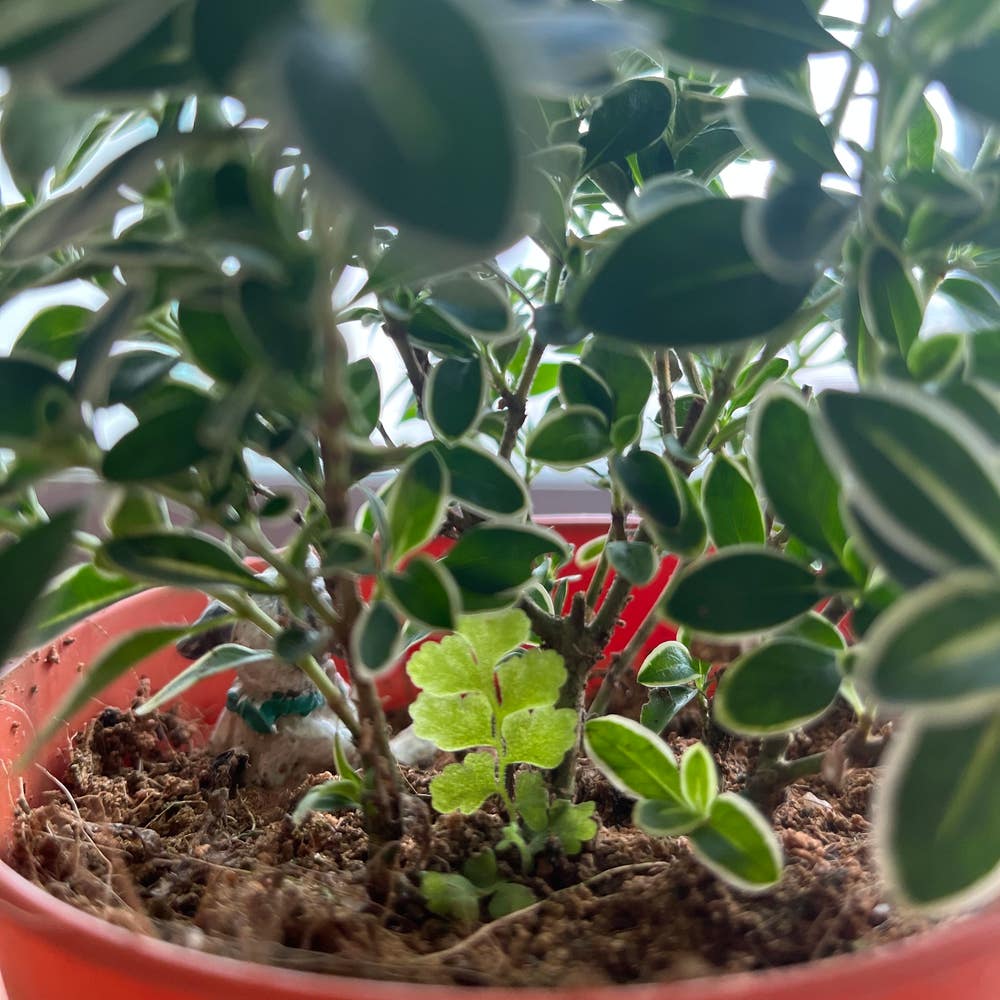
❄️ How to Grow Snowrose: From Soil to Sun
Serissa japonica
By the Greg Editorial Team
Oct 02, 2024•5 min read
This article was created with the help of AI so we can cover more plants for you. May contain errors. See one? Report it here.
- 🌞 Snowrose needs 6-8 hours of full sun daily for optimal growth.
- 🌱 Well-drained sandy or loamy soil is essential for healthy Snowrose development.
- 💧 Water deeply and consistently to prevent yellowing leaves from over/underwatering.
Site Selection and Soil Preparation
Choosing the Right Location 🌞
Selecting the right spot for your Snowrose is crucial. Aim for a location that receives full sun exposure for at least 6-8 hours daily to promote healthy growth.
When deciding between outdoor and container growing, consider your space and climate. Container growing offers flexibility, while outdoor planting can provide more robust growth if conditions are right.
Soil Type and Preparation for Optimal Growth 🌱
Snowrose thrives in well-drained sandy or loamy soils. These soil types allow for proper aeration and moisture retention, essential for the plant's health.
To enhance soil quality, incorporate compost and organic matter. This not only enriches the soil but also boosts nutrient availability for your Snowrose.
Importance of Drainage and pH Levels 🚰
Maintaining proper drainage is vital for Snowrose. The ideal soil pH range is between 6.0 and 7.5, ensuring optimal nutrient uptake.
To improve drainage, consider techniques like raised beds or adding gravel to your planting area. These methods help prevent waterlogging, which can harm your plants.
With the right location and soil preparation, you're well on your way to cultivating a thriving Snowrose. Next, let's explore effective planting techniques to ensure your plants get the best start possible.
Planting Techniques
🌱 Step-by-Step Guide to Planting Snowrose
Planting Snowrose is straightforward and rewarding. Start by preparing the planting hole, making it twice the width of the root ball to give the roots ample space to spread.
Next, amend the soil as needed. Incorporate compost to enhance nutrients and ensure proper drainage for healthy growth.
Finally, position the plant correctly. Place it at the same depth as it was in the container to avoid stress on the roots.
📏 Spacing and Depth Considerations
Proper spacing is crucial for Snowrose's health. Aim for a distance of 12-18 inches apart to promote optimal air circulation.
When it comes to depth, ensure the roots are covered but not buried too deep. This balance helps prevent rot and encourages robust growth.
🪴 Container vs. Ground Planting
Choosing between container and ground planting can impact your Snowrose's success. Container growing offers mobility and a controlled environment, making it easier to manage conditions.
On the other hand, ground planting requires careful consideration of soil quality, drainage, and sunlight exposure. Each method has its advantages, so choose based on your gardening style and space.
With these planting techniques in mind, you're well on your way to cultivating beautiful Snowrose. Next, let’s explore how to effectively water and fertilize your plants for optimal growth.
Watering and Fertilization
💧 Watering Schedule and Techniques for Snowrose
Watering is crucial for your Snowrose's health. Start with a deep soak right after planting to help establish roots.
After that, maintain a consistent schedule by watering every 1-2 weeks. Adjust this frequency based on rainfall; too much or too little can stress your plant.
🌱 Best Fertilizers for Snowrose and Application Methods
Choosing the right fertilizer can make a significant difference. Opt for a balanced NPK fertilizer, like 10-10-10, or consider slow-release options for convenience.
Apply fertilizer in early spring and again in mid-summer to support growth during peak seasons. This timing ensures your Snowrose gets the nutrients it needs when it needs them most.
🚿 Signs of Overwatering or Underwatering
Monitoring your plant's health is essential. Overwatering can lead to yellowing leaves and root rot, signaling that your Snowrose is drowning.
On the flip side, underwatering results in wilting, dry soil, and stunted growth. Keep an eye on these signs to maintain a healthy watering balance.
With proper watering and fertilization, your Snowrose will thrive, setting the stage for effective pruning and maintenance.
Pruning and Maintenance
When and How to Prune Snowrose 🌱
The best time to prune your Snowrose is late winter or early spring, just before new growth begins. Focus on removing dead or damaged stems and shaping the plant for a more aesthetically pleasing look.
Ongoing Care Routine for Healthy Growth 🧑🌾
Regular inspections are crucial for spotting pests and diseases early. Adjust your watering and fertilization based on seasonal changes to keep your Snowrose thriving.
Seasonal Maintenance Tips 🍂
Spring: Fertilize and check for new growth to kickstart the season.
Summer: Deadhead flowers to encourage prolonged blooming and maintain a tidy appearance.
Fall: Prepare your Snowrose for winter dormancy by cutting back and ensuring it’s ready for the colder months ahead.
With these pruning and maintenance tips, your Snowrose will flourish beautifully throughout the seasons. Next, let’s explore common challenges and solutions to keep your plant healthy and vibrant.
Common Challenges and Solutions
🐛 Identifying and Managing Pests and Diseases
Snowrose can attract a few unwelcome guests. Common pests include aphids and spider mites, which can be identified by their telltale signs: aphids often cluster on new growth, while spider mites leave fine webbing on leaves.
To manage these pests, consider using insecticidal soap or neem oil. Regular inspections can help catch infestations early, ensuring your Snowrose remains healthy and vibrant.
🛠️ Troubleshooting Common Growth Issues
If you notice yellowing leaves, it could signal a nutrient deficiency or overwatering. Check your watering schedule and consider a balanced fertilizer to restore health.
Stunted growth often points to poor soil conditions or inadequate sunlight. Ensure your Snowrose is planted in well-drained soil and receives ample sunlight for optimal growth.
🌱 Tips for Successful Propagation of Snowrose
Propagation can be a rewarding endeavor. You can propagate Snowrose through seed sowing or stem cuttings, both effective methods.
Timing is crucial; aim to sow seeds in early spring or take cuttings during the growing season. Ensure conditions are warm and humid for successful rooting, and watch your garden flourish!
With these insights, you can tackle common challenges and enjoy a thriving Snowrose garden. Next, let’s explore the essential pruning and maintenance techniques to keep your plants in top shape.
⚠️ Safety First
This content is for general information and may contain errors, omissions, or outdated details. It is not medical, veterinary advice, or an endorsement of therapeutic claims.
Always consult a qualified healthcare professional before using any plant as food, medicine, or supplement.
Never eat any plant (or feed one to pets) without confirming its identity with at least two trusted sources.
If you suspect poisoning, call Poison Control (800) 222-1222, the Pet Poison Helpline (800) 213-6680, or your local emergency service immediately.
Spotted an error? Please report it here.
Grow your Snowrose to bloom brilliantly 🌼 with Greg's tailored watering reminders and expert care tips that keep your plants thriving all year long!