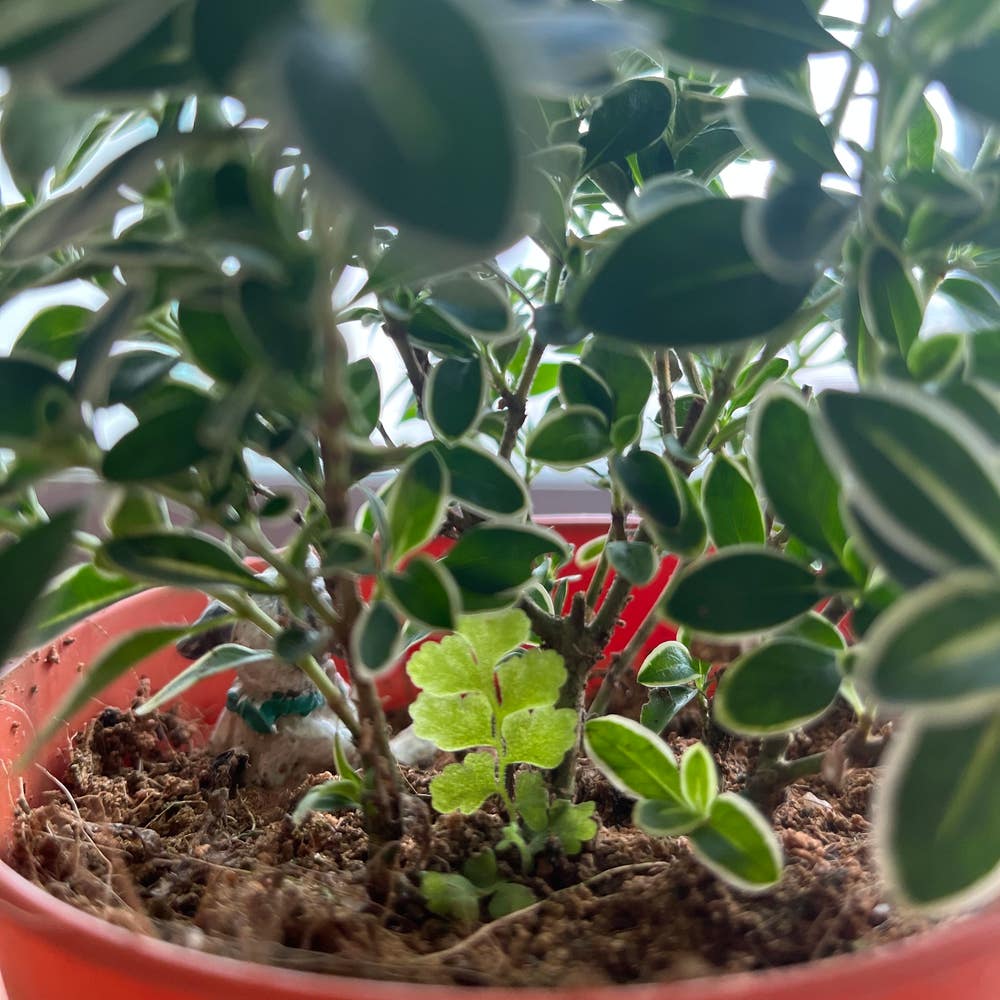
What to Do About Your Snowrose Wilting 🌸
Serissa japonica
By the Greg Editorial Team
Oct 02, 2024•5 min read
This article was created with the help of AI so we can cover more plants for you. May contain errors. See one? Report it here.
- 🌱 Wilting Snowrose indicates water stress, heat stress, or disease-related issues.
- 💧 Check soil moisture and adjust watering for healthy growth.
- 🌞 Relocate to shade or use curtains to combat heat stress.
Common Causes of Wilting Leaves
💧 Water Stress
Wilting leaves can often signal water stress in your Snowrose. Look for drooping leaves, dry soil, and leaf curl as key symptoms.
Inconsistent watering practices are usually to blame. Whether it’s too much or too little water, finding that balance is crucial for your plant's health.
☀️ Heat Stress
Heat stress is another common culprit behind wilting. Symptoms include wilting during hot weather and browning leaf edges.
This stress typically arises from prolonged exposure to direct sunlight and high temperatures. Protecting your Snowrose from these harsh conditions can make a significant difference.
🦠 Disease-Related Wilting
While less common, disease-related wilting can occur. Symptoms include yellowing leaves and wilting despite adequate watering.
This issue is often linked to root rot or fungal infections, which are rare in Snowrose. Regular monitoring can help catch these problems early.
Understanding these causes is the first step in reviving your wilting Snowrose. Next, let’s dive into how to diagnose the specific issues affecting your plant.
Diagnosing Wilting
Step-by-Step Guide to Diagnose Wilting 🌱
Diagnosing wilting in your Snowrose requires a systematic approach. Start by checking the soil moisture; insert your finger 1-2 inches deep to assess if it feels dry or damp.
Next, assess the environmental conditions. Take note of the temperature and how much sunlight your plant is exposed to throughout the day.
Inspect the leaves closely. Look for any signs of discoloration, spots, or pests that might indicate underlying issues.
Finally, evaluate your watering habits. Review your recent watering schedule to see if it aligns with your plant's needs.
Signs to Look For 👀
Keep an eye out for specific signs that indicate wilting. Leaf droop and curl are common indicators that your Snowrose is struggling.
Additionally, watch for color changes, such as yellowing or browning leaves. These can signal water stress or heat stress.
Lastly, check the soil condition. It should neither be overly dry nor waterlogged, as both extremes can lead to wilting.
By following these steps and recognizing these signs, you can effectively diagnose the issues affecting your Snowrose. This understanding will pave the way for implementing the right solutions to revive your plant.
Solutions for Wilting
🌊 Addressing Water Stress
To tackle water stress, start by adjusting your watering schedule. Water deeply when the top inch of soil feels dry to the touch.
Another effective method is bottom watering. Simply place the pot in a tray of water for about 30 minutes, allowing the plant to absorb moisture from the bottom up.
☀️ Addressing Heat Stress
If your Snowrose is suffering from heat stress, consider relocating it to a shaded area during peak sun hours. This simple move can significantly reduce wilting.
You can also use shade cloth or sheer curtains to diffuse direct sunlight. This helps create a more stable environment for your plant.
🦠 Addressing Disease-Related Wilting
For disease-related wilting, inspect the roots for any signs of rot. If you find affected roots, remove them and repot the plant in fresh soil.
If necessary, apply fungicide according to the package instructions. This step can help manage any underlying fungal issues.
🌱 Techniques for Reviving a Wilted Plant
Reviving a wilted plant often starts with pruning damaged leaves. Use clean, sharp scissors to remove any wilted foliage, promoting new growth.
Additionally, consider a temporary relocation to a more suitable environment with stable conditions. This can provide your Snowrose with the care it needs to bounce back.
By addressing these issues promptly, you can help your Snowrose thrive again. Next, let’s explore preventive measures to minimize future wilting.
Preventive Measures
Tips to Minimize Future Wilting 🌱
To keep your Snowrose thriving, establish a consistent watering routine that adapts to seasonal changes. This means checking moisture levels regularly and adjusting your watering frequency as the weather shifts.
Additionally, monitor environmental conditions like temperature and sunlight. This proactive approach allows you to make timely adjustments to your care regimen, ensuring your plant stays healthy.
Environmental Adjustments 🌍
Using mulch is a fantastic way to retain soil moisture and regulate temperature. A layer of mulch not only helps keep the roots cool but also reduces evaporation, making your watering efforts more effective.
Proper drainage is crucial to prevent waterlogging. Ensure your pot has adequate drainage holes, and consider using well-draining soil to promote healthy root growth.
By implementing these preventive measures, you can significantly reduce the risk of wilting in your Snowrose. This sets the stage for a flourishing plant that brings joy to your space.
Next, let’s explore when it might be time to seek expert help for your wilting Snowrose.
When to Seek Help
🚨 Signs That Require Expert Assistance
If your Snowrose is still wilting despite your best care efforts, it may be time to seek help. Persistent wilting can indicate deeper issues that need professional attention.
Look out for severe signs of disease or pest infestation. Yellowing leaves, unusual spots, or visible pests can signal that your plant is in trouble.
🛠️ Resources for Assistance
Consulting local nurseries can provide you with expert advice tailored to your Snowrose's specific needs. These professionals often have hands-on experience and can offer practical solutions.
Additionally, engaging with the plant care community online can be incredibly beneficial. Sharing experiences and tips with fellow plant enthusiasts can lead to valuable insights and support.
By reaching out for help, you can ensure your Snowrose gets the care it deserves. This proactive approach can make all the difference in reviving your beloved plant.
⚠️ Safety First
This content is for general information and may contain errors, omissions, or outdated details. It is not medical, veterinary advice, or an endorsement of therapeutic claims.
Always consult a qualified healthcare professional before using any plant as food, medicine, or supplement.
Never eat any plant (or feed one to pets) without confirming its identity with at least two trusted sources.
If you suspect poisoning, call Poison Control (800) 222-1222, the Pet Poison Helpline (800) 213-6680, or your local emergency service immediately.
Spotted an error? Please report it here.
Revive your wilting Snowrose with smart watering tips 🌿 and tailored reminders from Greg, ensuring your plant thrives in any environment!