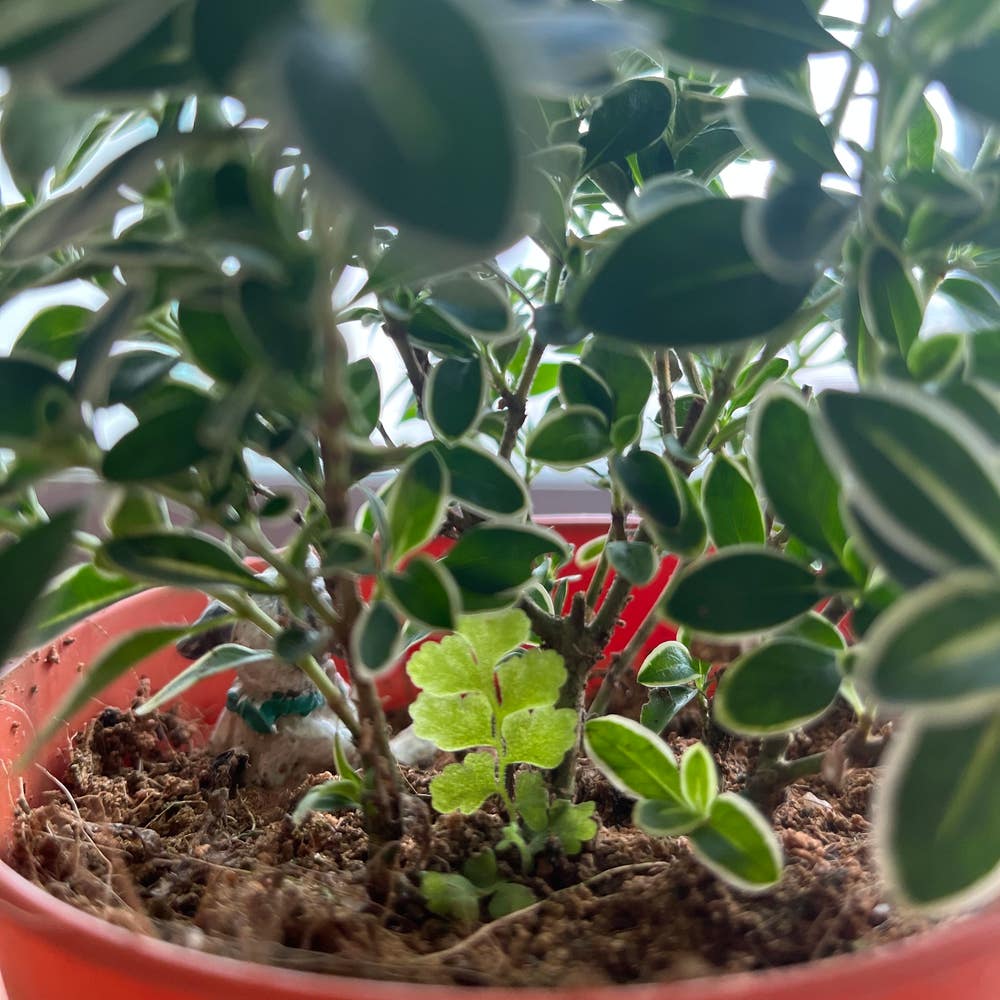
Why Are My Snowrose Leaves Falling Over?
Serissa japonica
By the Greg Editorial Team
Jun 18, 2024•4 min read
This article was created with the help of AI so we can cover more plants for you. May contain errors. See one? Report it here.
- 🌱 Overwatering? Let soil dry before watering again and ensure good drainage.
- 🌞 Consistent environment prevents stress, avoid temperature changes and inadequate light.
- ✂️ Prune and support for robust growth and temporary stem stability.
Pinpointing the Culprits Behind Droopy Snowrose Leaves
💧 Overwatering and Root Health
Yellowing leaves and a soggy soil feel are telltale signs of overwatering your Snowrose. To rescue an overwatered plant, let the soil dry to the touch before watering again. Ensure proper drainage and consider a soil mix that promotes aeration.
🏜️ Underwatering Woes
A thirsty Snowrose may have curled leaves and dry soil. Water slowly and thoroughly, allowing the soil to absorb moisture without becoming waterlogged. Use room temperature water to avoid shocking the plant's system. Check the soil's top inch; if dry, it's time to water.
🌞 Environmental Stress Factors
Droopy leaves can signal stress from abrupt temperature changes or inadequate light. Monitor your Snowrose with a thermometer and hygrometer, and maintain a consistent environment to prevent stress.
🍽️ Nutrient Needs and Deficiencies
Nutrient deficiencies manifest as weak, drooping leaves. To bolster leaf strength, use a balanced fertilizer at half the recommended dosage, ensuring it's well integrated into the soil without contacting the leaves directly.

Turning Things Around: Remedies for Upright Leaves
💧 Adjusting Watering Habits
Fine-tuning your watering routine
Watering your Snowrose is like hitting the sweet spot in a game of darts—precision matters. Check the top inch of soil; if it's dry, it's time to water. If it's still moist, give it a break. Consistency is key, so establish a routine that allows the soil to dry slightly between waterings. Use room-temperature water to avoid shocking the roots and always water at the base to keep the leaves out of harm's way.
🚰 The role of drainage in preventing droopy leaves
The importance of drainage can't be overstated—it's the unsung hero in the fight against droopy leaves. Ensure your Snowrose's pot has adequate drainage holes and consider a well-draining soil mix. This will help prevent water from pooling at the roots, which is a one-way ticket to Soggy Town and droopy leaves.
🌞 Stabilizing Snowrose's Environment
Keeping temperature and light consistent
Snowrose plants are like Goldilocks—they like their environment just right. Keep temperatures steady, avoiding drafts and sudden changes. Bright, indirect sunlight is the golden rule for these beauties. Too much direct sun and you'll have a crispy plant on your hands, too little and you'll see more flop than pop.
🛡️ Protecting your Snowrose from environmental shock
Think of your Snowrose as a creature of habit, not fond of surprises. Protect it from environmental shock by avoiding placement near heaters, air conditioners, or drafty windows. A stable environment equals a happy plant, and a happy plant doesn't throw its leaves down in a tantrum.
🍽️ Nutrient Boosts for Leaf Vigor
Choosing the right fertilizer
Selecting a fertilizer for your Snowrose is like picking the right fuel for a high-performance car. Go for a balanced option, with equal parts nitrogen, phosphorus, and potassium. This will help your plant maintain strong and upright leaves without going overboard.
👩🌾 Timing and frequency of feeding for optimal health
Feed your Snowrose during its growing season, which is typically spring and summer. Think of it as a plant power-up. Fertilize every few weeks at half the recommended strength to avoid nutrient overload. This is the plant equivalent of a balanced diet—enough to thrive, but not so much that it leads to a growth spurt followed by a crash.

Pruning and Providing Support
🌱 Strategic Pruning for Strength
Pruning isn't just a trim; it's essential maintenance for your Snowrose. Timing is key; prune during the plant's active growth phase. Look for overgrown branches that may be sapping energy from the rest of the plant. By cutting these back, you redirect the plant's resources to healthier areas, promoting more robust growth. Use clean, sharp tools to avoid infection and ensure a clean cut.
🌿 Supporting Structures
Sometimes, your Snowrose needs a little backup. Stakes and ties can be lifesavers for drooping stems. Insert stakes without disturbing the roots and tie the stems loosely, allowing for movement and growth. Think of it as a temporary scaffold while your plant builds strength. As your Snowrose recovers, gradually reduce reliance on these supports to encourage independence.

⚠️ Safety First
This content is for general information and may contain errors, omissions, or outdated details. It is not medical, veterinary advice, or an endorsement of therapeutic claims.
Always consult a qualified healthcare professional before using any plant as food, medicine, or supplement.
Never eat any plant (or feed one to pets) without confirming its identity with at least two trusted sources.
If you suspect poisoning, call Poison Control (800) 222-1222, the Pet Poison Helpline (800) 213-6680, or your local emergency service immediately.
Spotted an error? Please report it here.
Ensure your Snowrose thrives by following custom care cues 🌱 from Greg, turning those droopy leaves into a thing of the past.