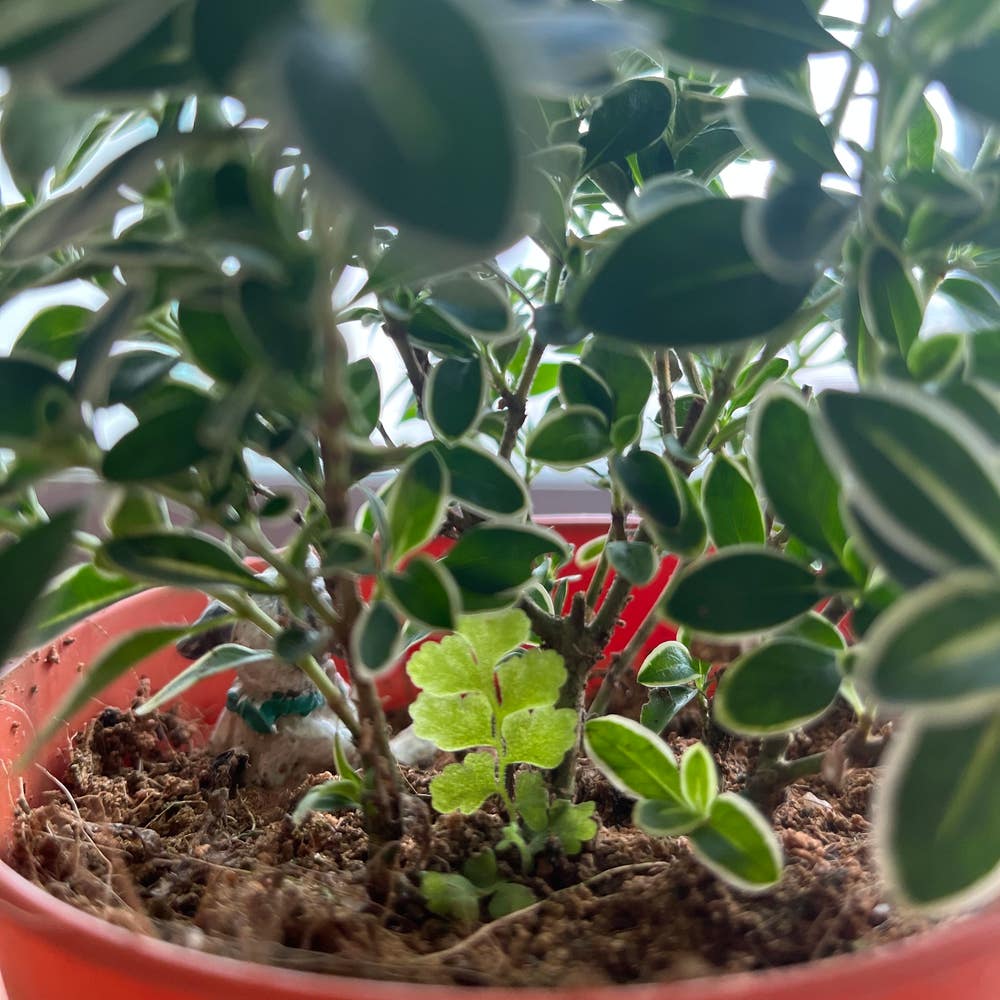
❄️ Key Milestones in Snowrose Growth
Serissa japonica
By the Greg Editorial Team
Oct 02, 2024•5 min read
This article was created with the help of AI so we can cover more plants for you. May contain errors. See one? Report it here.
- 🌱 Snowrose germination takes 7-14 days in optimal conditions for best results.
- 🌞 Ideal temperatures for growth are 20°C to 25°C (68°F to 77°F).
- 🌸 Snowrose flowers bloom 3-4 months after germination, showcasing vibrant colors.
Germination Stage
🌱 Duration of Germination
The germination period for Snowrose typically spans 7 to 14 days. For optimal results, maintain a temperature range of 20°C to 25°C (68°F to 77°F).
🌿 Conditions for Successful Germination
To ensure successful germination, start with well-draining, sandy soil. This type of soil prevents waterlogging, which can hinder growth.
Maintaining the right moisture levels is crucial. Keep the soil consistently moist, but avoid overwatering.
Light exposure also plays a vital role. Provide indirect sunlight to prevent overheating, which can damage delicate seedlings.
By meeting these conditions, you set the stage for healthy growth and vibrant blooms. As your Snowrose transitions to the seedling stage, it will continue to thrive with the right care.
Seedling Stage
🌱 Duration of Seedling Growth
The seedling stage lasts approximately 4-6 weeks after germination. This period is crucial for establishing a healthy foundation for the plant's future growth.
🌿 Key Characteristics of Seedlings
Seedlings typically reach a height of 2-4 inches. Their heart-shaped, fleshy leaves are bright green, signaling robust health.
Root Development
During this stage, seedlings focus on establishing a strong root system. A well-developed root network is essential for nutrient uptake and stability as the plant matures.
🛡️ Importance of Care
Proper care during the seedling stage can significantly impact overall growth. Ensure they receive adequate light, moisture, and nutrients to thrive.
👀 Observations
Watching seedlings grow is a rewarding experience. Their transformation from tiny sprouts to vibrant plants is a testament to nature's resilience and beauty.
As seedlings progress, they set the stage for the next phase of growth, where they will enter the vegetative stage.
Vegetative Growth Stage
Duration of Vegetative Growth 🌱
The vegetative growth stage lasts around 2-3 months, influenced by environmental conditions. This period is crucial for establishing a strong foundation for future growth.
Notable Changes During This Stage 🚀
During vegetative growth, you'll notice a rapid increase in height and leaf production. The plant's growth rate can be quite impressive, making it an exciting time for any gardener.
Leaf Characteristics
As the plant matures, the leaves become thicker and more succulent. This change not only enhances the plant's appearance but also improves its ability to retain moisture.
Branching
Another significant development is the emergence of lateral branches. This branching enhances the bushiness of the plant, creating a fuller and more vibrant look.
The vegetative stage sets the stage for the flowering phase, where all the hard work pays off. Understanding these changes helps you provide the right care as your snowrose continues to thrive.
Flowering Stage
Duration of Flowering 🌸
The flowering stage kicks off about 3-4 months after germination. This vibrant phase lasts several weeks, showcasing the plant's beauty.
Characteristics of Flowers 🌼
Snowrose flowers are a sight to behold, typically bright pink or purple, which naturally attract pollinators.
Flower Structure
These flowers are star-shaped and bloom in clusters, creating a stunning display that can brighten any garden.
Timing of Bloom
Interestingly, the flowers open during the day and close at night, adding a rhythmic charm to their lifecycle.
This stage not only enhances the aesthetic appeal of the plant but also plays a crucial role in its reproductive process. As we transition to the next stage, let’s explore how seed production unfolds after this beautiful display.
Seed Production Stage
Duration and Process of Seed Production 🌱
Seed production begins about 4-6 weeks after flowering. During this time, the snowrose primarily relies on self-pollination, although it can also attract bees, enhancing its reproductive success.
Importance of Seed Production 🌍
This stage is crucial for ensuring genetic diversity and the propagation of the species. Interestingly, snowrose seeds can remain viable for several years if stored properly, allowing for future growth opportunities.
Seed production not only secures the continuation of the plant but also contributes to the ecosystem by providing food for various pollinators. Understanding this stage is essential for anyone looking to cultivate snowrose successfully.
As we explore the next section, we’ll delve into the growth rate and maturation of the snowrose, highlighting what to expect as your plants develop.
Growth Rate and Maturation
How Long Until Fully Grown? 🌱
Snowrose plants typically reach full maturity within 6 to 12 months. This timeline can vary based on care practices and environmental conditions.
Factors Affecting Growth Rate 🌞
Several key factors influence how quickly your Snowrose grows:
- Light Exposure: Full sun encourages faster growth, while partial shade can slow it down.
- Watering Frequency: Overwatering is detrimental and can hinder growth.
- Soil Quality: Nutrient-rich, well-draining soil is essential for optimal growth.
Notable Changes Throughout the Life Cycle 🌿
As your Snowrose matures, you'll notice significant transformations:
- Seedlings to Bushy Plants: The transition from delicate seedlings to robust, bushy plants is remarkable.
- Leaf Development: Leaf size and thickness increase dramatically as the plant grows.
- Evolving Care Needs: Different growth stages require adjustments in moisture and light exposure.
Understanding these growth dynamics not only enhances your gardening experience but also ensures your Snowrose thrives. Next, let’s explore the fascinating process of seed production and its importance in the life cycle of this beautiful plant.
⚠️ Safety First
This content is for general information and may contain errors, omissions, or outdated details. It is not medical, veterinary advice, or an endorsement of therapeutic claims.
Always consult a qualified healthcare professional before using any plant as food, medicine, or supplement.
Never eat any plant (or feed one to pets) without confirming its identity with at least two trusted sources.
If you suspect poisoning, call Poison Control (800) 222-1222, the Pet Poison Helpline (800) 213-6680, or your local emergency service immediately.
Spotted an error? Please report it here.
Master the milestones of Snowrose growth 🌸 with Greg's tailored care tips and reminders, ensuring your plants flourish from seedling to stunning bloom!