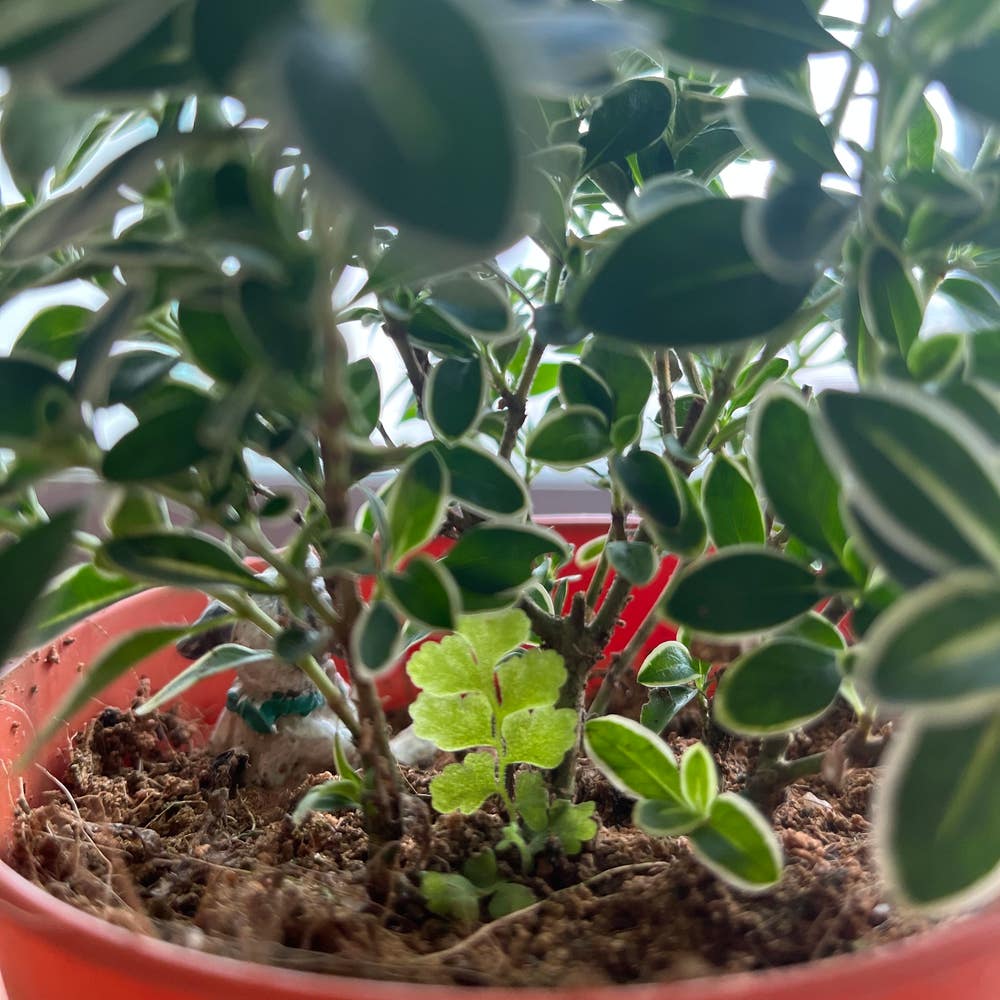
Why Are My Snowrose Leaves Droopy?
Serissa japonica
By the Greg Editorial Team
Jun 18, 2024•4 min read
This article was created with the help of AI so we can cover more plants for you. May contain errors. See one? Report it here.
- Overwatering and underwatering both cause droopy leaves; balance is key.
- 🌞🌡️ Adjust light and temperature to prevent droopy leaves from stress.
- Nutrient balance is crucial; use a balanced fertilizer as recommended.
Pinpointing the Culprit: Common Causes of Droopy Leaves
💧 Too Much Love: Overwatering Woes
Yellowing leaves and a soggy feel to the soil are distress signals from an overwatered Snowrose. Root rot could be lurking beneath the surface, a dire consequence of excessive moisture.
To rescue your Snowrose, reduce watering immediately. Ensure the pot has proper drainage and consider a soil mix that promotes aeration to prevent future waterlogging.
🏜️ Thirsty Roots: The Underwatering Problem
Leaves that resemble a wrinkled prune are crying out for hydration. If the soil is dry down to two inches, your Snowrose is underwatered.
Rehydrate your plant gradually. Water thoroughly, then pause to let the moisture seep down to the roots. Avoid shocking the plant with cold water; room temperature is best.
🌞 Let There Be (The Right Amount of) Light
Droopy leaves can also signal a light issue. Too little light and your Snowrose may become leggy and weak, too much and the leaves might scorch.
Adjust your plant's position to ensure it receives bright, indirect sunlight. Rotate the pot regularly for even light distribution, preventing lopsided growth.
🌡️ When It's Too Hot or Too Cold
Temperature stress can make or break your Snowrose's spirit. Leaves drop when the plant is too hot or too cold.
Create a cozy environment by maintaining a consistent temperature range suitable for your Snowrose. Avoid placing it near drafty windows or heat sources that can cause sudden temperature changes.
🍽️ The Hunger Games: Nutrient Deficiency
A Snowrose starved of nutrients will have lackluster growth and droopy leaves. This is a silent plea for sustenance.
Feed your Snowrose with a balanced fertilizer, but don't overdo it. Too much can be just as harmful as too little. Stick to the recommended feeding schedule to keep your plant thriving.

Reviving Your Snowrose: Targeted Treatments
💧 Fine-Tuning Watering Practices
Snowrose plants are like Goldilocks; they want their soil moisture just right. Overwatering can drown their delicate roots, while underwatering leaves them parched and droopy. Strike a balance by allowing the top inch of soil to dry out before watering again. If you're unsure, a finger test never lies—dip into the soil, and if it's dry past your first knuckle, it's time to water. Remember, room temperature water is like a warm hug for your plant's roots.
🌟 Setting the Stage with Proper Lighting and Temperature
Your Snowrose craves the spotlight but doesn't want to bake in it. Bright, indirect light is the sweet spot for these drama queens. If the leaves start to droop, it might be throwing shade at you for too much sun or not enough. Adjust its position like you're a stage manager until you find that prime location. Temperature-wise, think of your plant as a retiree; it prefers a comfortable range between 65-75°F (18-24°C). Keep it away from drafts and radiators to avoid temperature tantrums.
🌿 Nutritional Support for Your Plant
A Snowrose without enough nutrients is like a car running on empty. It'll start to sputter with droopy, discolored leaves. Balanced fertilization is your pit stop. Use a balanced, water-soluble fertilizer every other month during the growing season. But don't overdo it—too much and you'll end up with the botanical version of a food coma, complete with salt buildup and root damage. It's a fine line between feast and famine, so keep your feeding schedule as regular as your own mealtimes.

Proactive Plant Parenting: Preventing Droopy Leaves
💧 Watering Rhythms: Finding the Sweet Spot
Establishing a watering schedule that works for your Snowrose is more art than science. It's about hitting that hydration sweet spot. Check the top inch of soil; if it's dry, it's time to water. But remember, your plant's thirst varies with the seasons—less in winter, more in summer.
🌞 Consistent Comfort: Light and Temperature Checks
Your Snowrose is not a fan of surprises, especially when it comes to light and temperature. Regular monitoring is your new hobby. Aim for bright, indirect light and a stable room temperature. Think of it as setting the stage for an encore performance of perky leaves.
🍽️ A Balanced Diet: Ongoing Nutrient Management
Nutrients are your Snowrose's snacks, but don't turn it into a buffet. Use a balanced fertilizer, but keep it light. Overfeeding is the fast track to droopy leaves. It's a delicate balance, like seasoning a gourmet dish—just enough to enhance, not overpower.

⚠️ Safety First
This content is for general information and may contain errors, omissions, or outdated details. It is not medical, veterinary advice, or an endorsement of therapeutic claims.
Always consult a qualified healthcare professional before using any plant as food, medicine, or supplement.
Never eat any plant (or feed one to pets) without confirming its identity with at least two trusted sources.
If you suspect poisoning, call Poison Control (800) 222-1222, the Pet Poison Helpline (800) 213-6680, or your local emergency service immediately.
Spotted an error? Please report it here.
Ensure your Snowrose never suffers from droopiness again by using Greg's 🌱 reminders to balance watering, light, and nutrients for thriving, happy leaves!