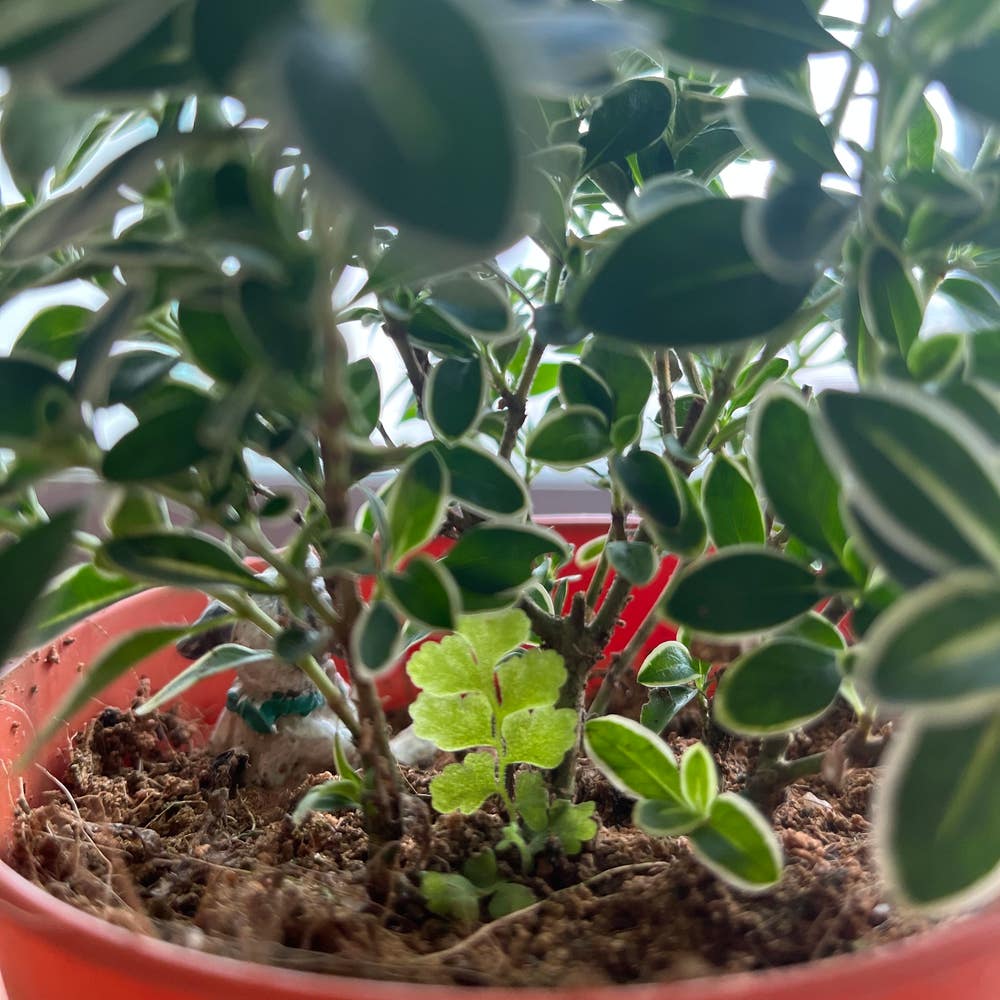
❄️ Step-by-Step Guide to Growing Snowrose Outdoors
Serissa japonica
By the Greg Editorial Team
Oct 02, 2024•5 min read
This article was created with the help of AI so we can cover more plants for you. May contain errors. See one? Report it here.
- ☀️ Snowrose needs 6-8 hours of sunlight daily for vibrant growth and blooms.
- 💧 Water weekly, increase in heat; avoid overwatering to prevent root rot.
- 🌱 Use well-draining soil and balanced fertilizer for optimal health and growth.
Sunlight Requirements
Ideal Conditions 🌞
Snowrose thrives in full sun to partial shade, requiring 6-8 hours of direct sunlight daily. This exposure is crucial as it promotes vibrant flowering and healthy foliage, ensuring your plants look their best.
Adjusting for Conditions 🌤️
If your Snowrose shows signs of insufficient sunlight, such as leggy growth or fewer blooms, it’s time to take action. Solutions include selective pruning to encourage bushier growth and relocating plants to sunnier spots for optimal light exposure.
By understanding these sunlight requirements, you can create the perfect environment for your Snowrose to flourish. Next, let’s dive into the essential watering and soil needs to keep your plants thriving.
Watering and Soil Needs
💧 Watering Guidelines
To keep your Snowrose thriving, aim to water deeply once a week. During extreme heat, you may need to increase this frequency to ensure your plants stay hydrated.
Watch for signs of overwatering, such as yellowing leaves or root rot. These indicators can signal that your plants are getting too much moisture, which can be detrimental to their health.
🌱 Soil Preferences
Snowrose prefers well-draining soil to prevent root rot. This is crucial for maintaining healthy roots and promoting robust growth.
For the best results, consider using sandy loam or a quality potting mix if you're planting in containers. These soil types provide the right balance of drainage and nutrients.
🧪 Amendments
Incorporating organic matter, like compost, can significantly improve your soil's drainage and nutrient content. This simple addition can make a world of difference in your plants' health.
Aim for a neutral pH level between 6.0 and 7.0. This range supports optimal nutrient uptake, ensuring your Snowrose gets everything it needs to flourish.
With the right watering and soil conditions, your Snowrose will be well on its way to vibrant growth and stunning blooms. Next, let’s explore how to fertilize and choose the best planting options for your garden.
Fertilization and Planting Options
🌱 Fertilization Needs
To keep your Snowrose thriving, choose a balanced NPK fertilizer, ideally a 10-10-10 mix or a slow-release option. Apply it every 4-6 weeks during the growing season to ensure robust growth and vibrant blooms.
🏺 Container vs. Ground Planting
Container Benefits
Planting in containers offers fantastic mobility. You can easily relocate your Snowrose to capture optimal sunlight or provide protection from harsh weather.
Containers also allow you to control soil quality. You can customize your soil mix to meet the specific needs of your plants, ensuring they have the best possible environment.
Ground Benefits
On the other hand, planting in the ground promotes deeper root growth. This access to more nutrients and moisture can lead to healthier, more resilient plants.
Additionally, ground planting provides better stability. Your Snowrose will be less prone to tipping over in windy conditions, allowing it to flourish without the risk of being uprooted.
With these fertilization and planting options in mind, you can make informed decisions that will help your Snowrose thrive in any setting. Next, let’s explore effective protection strategies to keep your plants healthy and vibrant.
Protection Strategies
Weather Protection Techniques 🌨️
Mulching is a game-changer for your snowrose plants. It helps retain moisture and regulates soil temperature, ensuring your plants thrive even during temperature fluctuations.
When unexpected cold snaps hit, frost cloths become your best friend. They provide a protective layer, shielding your plants from harsh conditions.
Pest Control 🐞
Common Outdoor Pests
Aphids can be a real nuisance for snowrose growers. Look for signs like curled leaves or sticky residue on your plants. To control them, consider introducing beneficial insects like ladybugs or using insecticidal soap.
Spider mites are another common threat. Check for fine webbing on leaves and yellowing foliage. Regularly misting your plants can help deter these pests, along with neem oil treatments.
Disease Prevention 🦠
Common Diseases
Powdery mildew is a frequent issue for snowrose plants. Symptoms include a white, powdery coating on leaves. To prevent this, ensure good air circulation and avoid overhead watering, which can create a humid environment.
By implementing these protection strategies, you can keep your snowrose healthy and vibrant. Next, let’s explore seasonal care and climate considerations to further enhance your gardening success.
Seasonal Care and Climate Considerations
🌱 Seasonal Care Tips
Spring is the perfect time for pruning and fertilization. This helps stimulate new growth and prepares your Snowrose for the blooming season ahead.
In summer, focus on regular watering and pest monitoring. Keeping an eye out for pests ensures your plants stay healthy and vibrant.
As fall approaches, reduce watering and add mulch. This helps retain moisture and insulates the roots as temperatures drop.
During winter, care for both container and ground plants. Protect containers from freezing temperatures and ensure ground plants are adequately mulched.
🌍 Climate Zone Considerations
Snowrose thrives best in USDA zones 9-11. Understanding your climate zone is crucial for successful growth.
Adjust your care based on climate conditions. In hotter climates, ensure adequate watering, while cooler areas may require additional protection from frost.
⚠️ Common Challenges
Root rot and pest infestations are common challenges for Snowrose growers. Addressing these issues promptly can save your plants from serious damage.
Troubleshoot symptoms like yellowing leaves or stunted growth. Identifying the problem early allows for effective solutions, ensuring your Snowrose remains healthy and beautiful.
With these seasonal care tips and climate considerations, you’re well-equipped to nurture your Snowrose. Next, let’s explore effective protection strategies to keep your plants thriving year-round.
⚠️ Safety First
This content is for general information and may contain errors, omissions, or outdated details. It is not medical, veterinary advice, or an endorsement of therapeutic claims.
Always consult a qualified healthcare professional before using any plant as food, medicine, or supplement.
Never eat any plant (or feed one to pets) without confirming its identity with at least two trusted sources.
If you suspect poisoning, call Poison Control (800) 222-1222, the Pet Poison Helpline (800) 213-6680, or your local emergency service immediately.
Spotted an error? Please report it here.
Watch your Snowrose bloom beautifully with Greg's personalized care tips 🌞, ensuring they get the sunlight and water they crave for thriving growth!