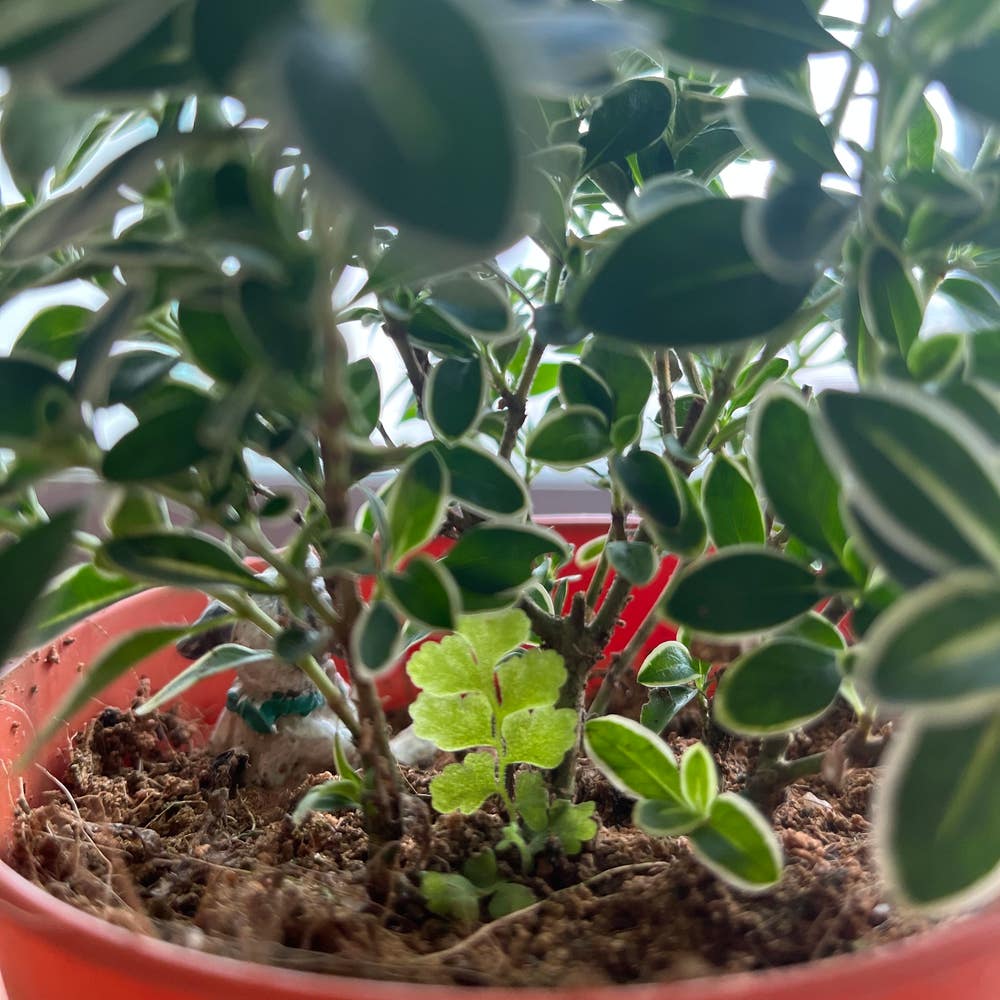
❄️ Snowrose Hardiness Zones: 7a-9b
Serissa japonica
By the Greg Editorial Team
Oct 02, 2024•4 min read
This article was created with the help of AI so we can cover more plants for you. May contain errors. See one? Report it here.
- 🌡️ Snowrose thrives in zones 7a-9b, tolerating temperatures from 0°F to 100°F.
- 🌍 Ideal states include California, Texas, and Florida for optimal growth conditions.
- 🌱 Well-draining soil and mild winters are crucial for preventing frost damage.
Temperature Tolerance for Snowrose
❄️ Cold Tolerance Specifics
Snowrose can withstand minimum temperatures as low as 0°F (-18°C). This remarkable cold tolerance allows it to survive in various climates, though prolonged exposure to frost can damage the plant.
☀️ Heat Tolerance Specifics
On the flip side, Snowrose thrives in maximum temperatures up to 100°F (38°C). Its drought resistance plays a crucial role in this heat tolerance, enabling it to flourish even in dry conditions.
🌡️ Optimal Growth Temperature Ranges
For optimal growth, Snowrose prefers temperatures between 50°F and 85°F (10°C to 29°C). However, temperature fluctuations outside this range can impact growth and flowering, making it essential to monitor conditions closely.
Understanding these temperature tolerances is vital for successful cultivation. With the right care, Snowrose can thrive in a variety of environments, setting the stage for its ideal growing regions.
Ideal Regions for Growing Snowrose
Suitable US States in Hardiness Zones 🌎
Snowrose thrives in several states across the U.S., particularly in California, Texas, Florida, and parts of the Southeast.
- California: Coastal areas and the Central Valley offer ideal conditions with their mild winters and warm summers.
- Texas: Regions like the Hill Country and South Texas provide the warmth Snowrose loves.
- Florida: The entire state, especially the southern parts, is a haven for this plant.
- Southeast: States like Georgia and Alabama also present favorable climates for growing Snowrose.
Factors Contributing to Ideal Conditions ☀️
The climate plays a crucial role in the successful cultivation of Snowrose.
- Mild Winters: These prevent frost damage, allowing the plant to thrive year-round.
- Warm Summers: High temperatures support robust growth and flowering.
Soil quality is equally important.
- Well-Draining Soil: This is essential to prevent root rot, ensuring the plant remains healthy and vibrant.
In summary, the combination of a suitable climate and proper soil conditions makes these regions perfect for growing Snowrose.
As we explore further, understanding microclimates will reveal even more about how to cultivate this beautiful plant successfully.
Microclimates and Their Impact
Influence on Snowrose Growth 🌱
Microclimates play a significant role in the growth of Snowrose. Factors such as elevation, proximity to water bodies, and urban heat islands can create unique conditions that benefit this plant.
For instance, areas near lakes or rivers often experience milder temperatures, which can help Snowrose thrive. Urban heat islands, where concrete absorbs and retains heat, can also extend the growing season, allowing for successful cultivation even in less-than-ideal zones.
Case Studies of Microclimate Effects 📊
Several regions have demonstrated how microclimates can enhance Snowrose growth. In California, coastal areas benefit from the ocean's moderating influence, creating a perfect environment for these plants.
Conversely, some microclimates can pose challenges. For example, areas with high elevation may experience sudden temperature drops, which can stress the Snowrose. Understanding these dynamics is crucial for gardeners looking to maximize their success with this beautiful plant.
State-Level Suitability for Snowrose
🌟 Suitable and Unsuitable States
When it comes to growing Snowrose, certain states shine brighter than others. California, Texas, Florida, Louisiana, and parts of the Carolinas offer the ideal conditions for this beautiful plant.
Conversely, some states are less hospitable. North Dakota, Minnesota, Maine, and various regions in the Northeast present challenges that make Snowrose cultivation difficult.
❄️ Challenges in Unsuitable States
Cold temperatures and frost are the main culprits that hinder Snowrose growth in unsuitable states. These conditions can lead to stunted growth or even plant death.
For gardeners in these less-than-ideal regions, there are still options. Indoor cultivation or greenhouse use can create a controlled environment, allowing Snowrose to thrive despite the external climate challenges.
Understanding these state-level nuances can help you make informed decisions about where to plant your Snowrose. With the right approach, even those in cooler climates can enjoy this stunning plant.
⚠️ Safety First
This content is for general information and may contain errors, omissions, or outdated details. It is not medical, veterinary advice, or an endorsement of therapeutic claims.
Always consult a qualified healthcare professional before using any plant as food, medicine, or supplement.
Never eat any plant (or feed one to pets) without confirming its identity with at least two trusted sources.
If you suspect poisoning, call Poison Control (800) 222-1222, the Pet Poison Helpline (800) 213-6680, or your local emergency service immediately.
Spotted an error? Please report it here.
Unlock the secrets to thriving Snowrose 🌼 with Greg's tailored care tips and climate insights, ensuring your plant flourishes in any environment!