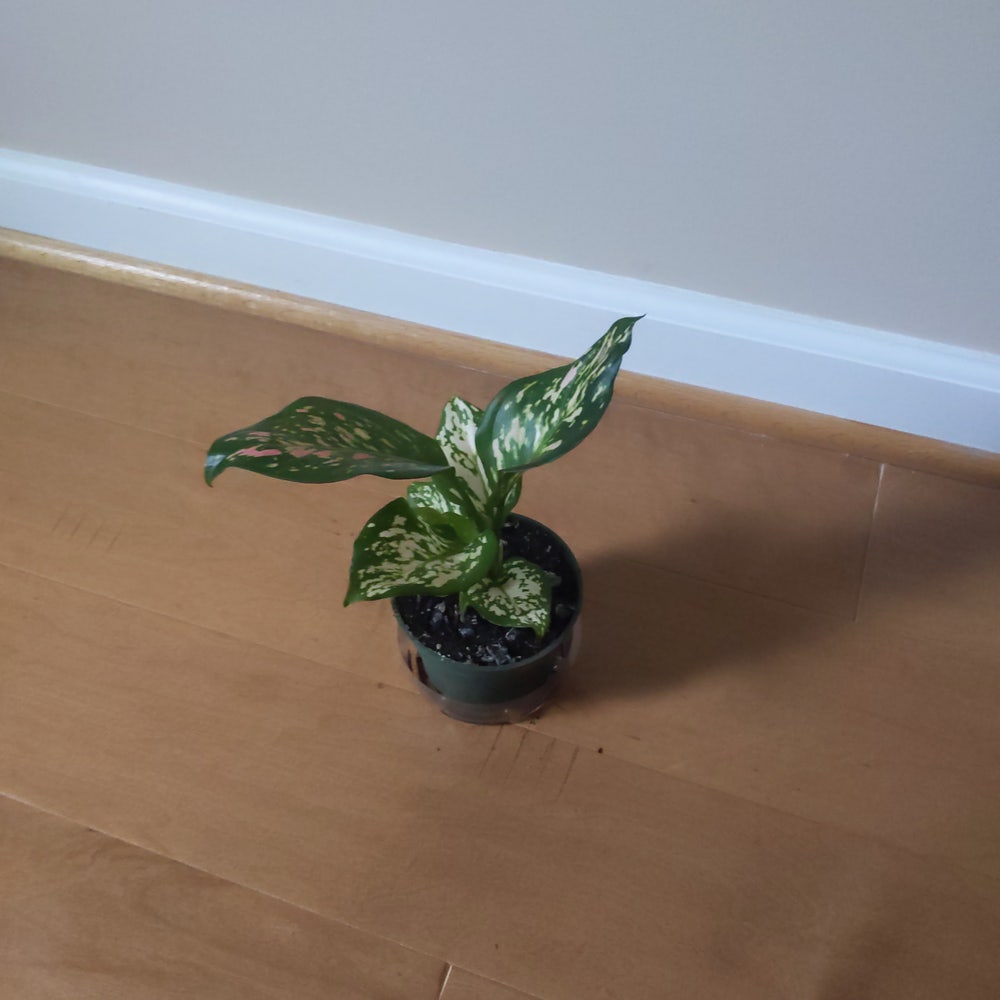
5 Perfect Spots to Plant Your Pink Dalmatian Aglaonema 🌸
Aglaonema 'Pink Dalmatian'
By the Greg Editorial Team
Sep 30, 2024•4 min read
This article was created with the help of AI so we can cover more plants for you. May contain errors. See one? Report it here.
- 🌞 Pink Dalmatian Aglaonema thrives in bright, indirect light near east or north windows.
- 🌿 Group with tropical plants for visual appeal and a supportive environment.
- 🌱 Adjust location seasonally to ensure optimal light exposure and plant health.
Indoor Planting Spots
Best Areas for Light Exposure 🌞
When it comes to your Pink Dalmatian Aglaonema, bright, indirect light is the name of the game. Position your plant near east or north-facing windows to provide optimal light without the risk of leaf burn.
Avoid direct sunlight at all costs. It can scorch those beautiful leaves, turning your vibrant plant into a sad shadow of its former self.
Proximity to Windows and Light Sources 🪟
For the best results, keep your Aglaonema about 2-4 feet away from windows. This distance ensures it receives the indirect light it craves.
If natural light is lacking, consider using grow lights. They can be a game-changer, especially if you place them near warm lamps to boost growth even further.
By carefully selecting the right indoor spots, you'll create a thriving environment for your Pink Dalmatian Aglaonema. This attention to detail will set the stage for its vibrant growth and stunning appearance.
Next, let’s explore the ideal outdoor planting spots for your Aglaonema!
Outdoor Planting Spots
Ideal Garden Locations 🌳
When planting your Pink Dalmatian Aglaonema outdoors, consider placing it under the canopy of taller plants. This setup provides the perfect filtered sunlight, protecting your plant from the harsh rays of the afternoon sun.
Dappled shade is another excellent option. It allows your Aglaonema to thrive without the risk of sunburn, ensuring vibrant leaves and healthy growth.
Considerations for Landscaping 🌼
Grouping your Pink Dalmatian Aglaonema with other tropical houseplants can create a stunning visual display. This not only enhances the aesthetic appeal but also fosters a supportive environment for your plants.
Ensure that the surrounding plants share similar water and light needs. Compatibility is key to maintaining a healthy garden ecosystem, allowing your Aglaonema to flourish alongside its companions.
As you plan your outdoor space, keep these tips in mind to create a thriving environment for your Pink Dalmatian Aglaonema. Next, let’s explore the optimal sunlight exposure necessary for its growth.
Sunlight Exposure
Optimal Sunlight Conditions for Growth 🌞
For your Pink Dalmatian Aglaonema to thrive, it needs 4-6 hours of indirect sunlight daily. This amount of light helps maintain vibrant leaf colors and robust growth.
Signs of Inadequate Light 🚨
If your plant isn't getting enough light, you might notice stunted growth or faded leaf color. These signs indicate it’s time to reassess its location and light exposure.
Finding the Right Spot 🪴
Position your Aglaonema where it can soak up that indirect sunlight without being scorched. A spot near a window that filters light is ideal, ensuring your plant stays healthy and happy.
Adjusting for Seasonal Changes 🍂
Keep in mind that light conditions can change with the seasons. Be ready to move your plant closer to a light source during the darker months to keep it thriving.
Conclusion
By ensuring your Pink Dalmatian Aglaonema receives the right amount of light, you set the stage for a flourishing indoor garden. Next, let’s explore the best soil conditions to support its growth.
Soil Conditions
Preferred Soil Types 🌱
For your Pink Dalmatian Aglaonema, a well-draining potting mix enriched with organic matter is essential. Aim for a soil pH between 6.0 and 7.0 to ensure optimal nutrient uptake.
Importance of Drainage and Aeration 🚿
Proper drainage is crucial to prevent water accumulation, which can lead to root rot. Always use pots with drainage holes and consider mixing in perlite or sand to enhance aeration and promote healthy root growth.
By focusing on the right soil conditions, you set the stage for your plant to thrive. Next, let’s explore how microclimates and environmental factors can further influence your Aglaonema's health.
Microclimates and Environmental Factors
Assessing Microclimates in Your Garden 🌱
Understanding microclimates is essential for the health of your Pink Dalmatian Aglaonema. Look for areas in your garden that exhibit varying light, moisture, and temperature conditions.
Nearby structures can significantly impact these factors. For instance, a wall may reflect heat, creating a warmer spot, while a tree can provide much-needed shade.
Wind Protection Strategies 🌬️
Wind can be a silent enemy for your plants. To protect your Aglaonema, consider planting near walls or fences that can act as barriers against strong gusts.
Additionally, taller plants can serve as natural windbreaks. They not only shield your Aglaonema but also create a more inviting garden atmosphere.
Understanding these microclimates and implementing wind protection strategies will help your Pink Dalmatian Aglaonema thrive. Next, let’s explore the optimal sunlight conditions for its growth.
⚠️ Safety First
This content is for general information and may contain errors, omissions, or outdated details. It is not medical, veterinary advice, or an endorsement of therapeutic claims.
Always consult a qualified healthcare professional before using any plant as food, medicine, or supplement.
Never eat any plant (or feed one to pets) without confirming its identity with at least two trusted sources.
If you suspect poisoning, call Poison Control (800) 222-1222, the Pet Poison Helpline (800) 213-6680, or your local emergency service immediately.
Spotted an error? Please report it here.
Ensure your Pink Dalmatian Aglaonema thrives in its perfect spot 🌞 by using Greg's tailored light assessments and care reminders to create an ideal environment for vibrant growth!