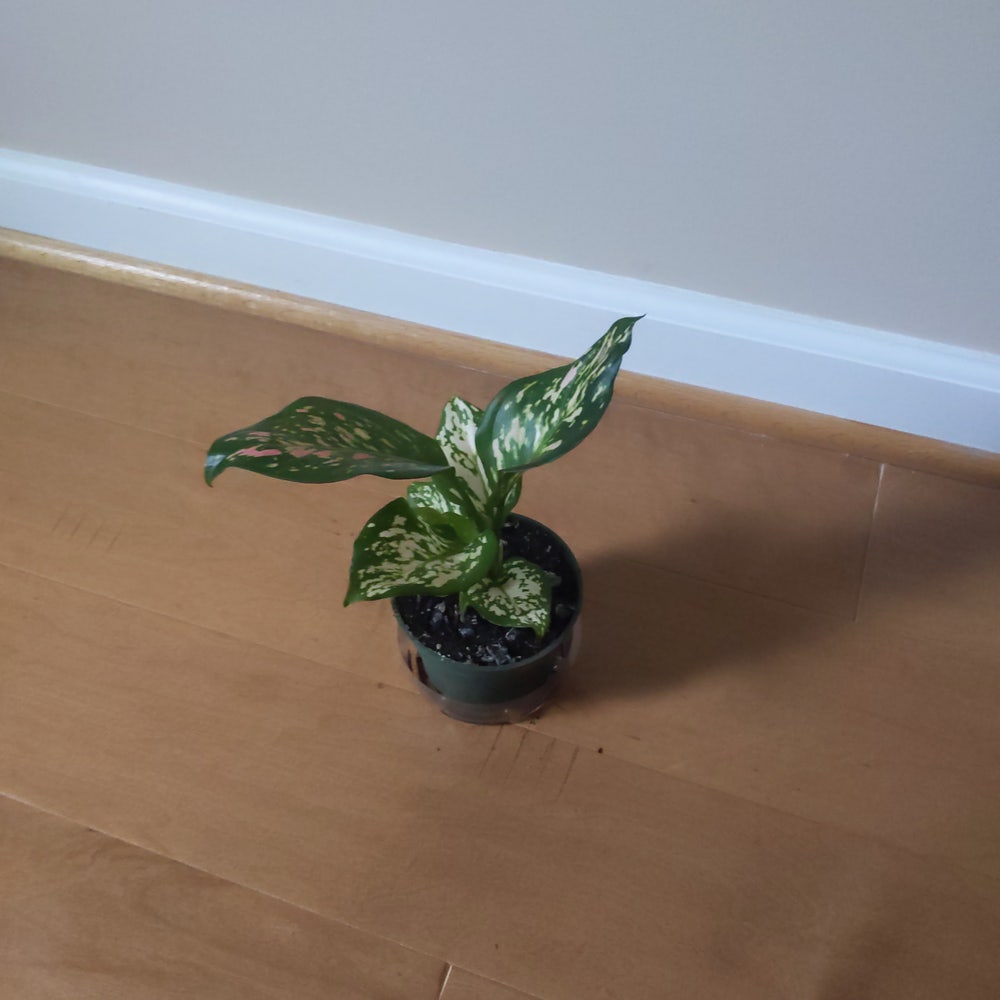
🐛 What's Eating Your Pink Dalmatian Aglaonema
Aglaonema 'Pink Dalmatian'
By the Greg Editorial Team
Sep 30, 2024•6 min read
This article was created with the help of AI so we can cover more plants for you. May contain errors. See one? Report it here.
- 🦌 Identify herbivores like deer, rabbits, and squirrels threatening your Pink Dalmatian Aglaonema.
- 🔍 Look for signs of damage, such as chewed leaves and droppings, to act quickly.
- 🚫 Use deterrents like fencing and organic solutions to protect your plants effectively.
Common Herbivores Affecting Pink Dalmatian Aglaonema
🦌 Deer
Signs of Presence and Damage Caused
Look for distinct hoof prints in the soil, which indicate deer activity. You may also notice leaves stripped off, especially young shoots, as they browse on your Pink Dalmatian Aglaonema.
Beneficial vs. Harmful Interactions
Deer interactions are generally harmful. They can severely damage or even kill your plant if left unchecked.
Deterrent Methods
To keep deer at bay, consider using commercial deer repellents. Alternatively, you can plant deer-resistant companion plants or use human hair and soap shavings as organic deterrents.
🐇 Rabbits
Signs of Presence and Damage Caused
Rabbits leave small, round droppings near the plant. You might also see cleanly cut leaves and stems at a 45-degree angle, a telltale sign of their munching.
Beneficial vs. Harmful Interactions
Rabbits are generally harmful to your plants. They can decimate young plants quickly if not managed.
Deterrent Methods
For easy deterrence, use rabbit repellents. You can also install fencing at least 2 feet high or spray cayenne pepper around the area.
🐿️ Squirrels
Signs of Presence and Damage Caused
Squirrels leave chewed leaves and scattered debris in their wake. Look for gnaw marks on stems and leaves, indicating their presence.
Beneficial vs. Harmful Interactions
Squirrels are generally harmful as they can weaken your plant over time. Their nibbling can lead to more significant issues down the line.
Deterrent Methods
To deter squirrels, try using squirrel repellents. Installing motion-activated sprinklers or using netting can also help protect your plants.
🐦 Birds
Signs of Presence and Damage Caused
Birds leave peck marks on leaves and may build nests nearby. They often feed on young leaves and seeds, which can hinder your plant's growth.
Beneficial vs. Harmful Interactions
While birds can be harmful, they also play beneficial roles. They assist in pollination and pest control, making them a mixed bag for your garden.
Deterrent Methods
To keep birds away, consider using bird deterrent sprays. Hanging reflective objects or using bird netting can also be effective organic solutions.
🐭 Rodents (Mice, Voles, etc.)
Signs of Presence and Damage Caused
Look for small holes in the soil and droppings as signs of rodent activity. They can gnaw on roots and stems, causing significant leaf damage.
Beneficial vs. Harmful Interactions
Rodents are generally harmful to your plants. Their activity can lead to severe damage if not addressed promptly.
Deterrent Methods
For a hard-hitting approach, use rodent bait stations. Alternatively, traps and planting mint around your garden can serve as effective organic deterrents.
🦡 Groundhogs/Woodchucks
Signs of Presence and Damage Caused
Groundhogs leave burrows near the plant and droppings that signal their presence. They can completely remove plants, especially young shoots.
Beneficial vs. Harmful Interactions
These creatures are generally harmful, as they can destroy entire plants in no time. Their appetite is insatiable when it comes to your Pink Dalmatian Aglaonema.
Deterrent Methods
To deter groundhogs, consider using commercial repellents. Fencing at least 3 feet high or planting strong-smelling herbs can also help keep them away.
Understanding the common herbivores that affect your Pink Dalmatian Aglaonema is crucial for its health. By recognizing signs of damage and employing effective deterrent methods, you can protect your plant from these unwelcome visitors. Next, let’s explore the beneficial animals that can enhance your garden ecosystem.
Beneficial Animals and Ecosystem Roles
🐝 Description of Beneficial Animals Attracted to Pink Dalmatian Aglaonema
The Pink Dalmatian Aglaonema isn't just a feast for herbivores; it also attracts a variety of beneficial animals. Pollinators like bees and butterflies are drawn to its flowers, playing a crucial role in the plant's reproductive cycle.
In addition, predatory insects such as ladybugs and lacewings help keep pest populations in check. These tiny allies are essential for maintaining a healthy garden ecosystem.
🌱 Positive Impacts on the Garden Ecosystem
The presence of these beneficial animals enhances biodiversity in your garden. A diverse ecosystem is more resilient and can better withstand pests and diseases.
Moreover, natural pest control and pollination provided by these creatures reduce the need for chemical interventions. This not only protects your plants but also contributes to a healthier environment overall.
Incorporating beneficial animals into your gardening strategy can lead to a thriving ecosystem. Understanding their roles helps you appreciate the interconnectedness of nature, making your gardening experience even more rewarding.
As you cultivate your Pink Dalmatian Aglaonema, consider how these allies can support your efforts. Next, we’ll explore general strategies for protecting your plants from herbivores.
General Strategies for Protection
🛡️ Preventive Measures for Protecting Pink Dalmatian Aglaonema
Keeping your Pink Dalmatian Aglaonema safe starts with regular monitoring. Look for signs of herbivore activity, such as tracks or damaged leaves, to catch issues early.
Physical barriers can also be a game changer. Consider using fencing or netting to create a protective shield around your plants, making it harder for hungry critters to access them.
⚠️ Reactive Solutions for Managing Animal Interactions
If you notice damage, act quickly. Remove any affected parts immediately to prevent attracting more herbivores to your plant.
Don’t hesitate to apply deterrents as needed. Whether chemical or organic, these solutions can help keep unwanted visitors at bay.
🌱 Seasonal Variations in Animal Attraction to the Plant
Be aware that herbivore activity tends to spike in spring and early summer. During these seasons, your Pink Dalmatian Aglaonema may need extra attention.
Adjust your protection strategies accordingly. This could mean reinforcing barriers or increasing monitoring to ensure your plant remains healthy and thriving.
Toxicity and Safety
🐾 Toxic Effects on Animals
The Pink Dalmatian Aglaonema can pose mild toxicity risks to pets and livestock if ingested. Symptoms often include gastrointestinal upset, which can be uncomfortable for your furry friends.
🐴 Implications for Herbivores
This mild toxicity can act as a deterrent for some herbivores. Understanding the plant's toxicity is crucial for managing interactions with animals that might be tempted to munch on your Aglaonema.
⚠️ Importance of Awareness
Being aware of the potential toxicity helps in creating a balanced garden ecosystem. It allows you to take proactive measures to protect your plants while ensuring the safety of your pets and local wildlife.
🏁 Conclusion
Incorporating knowledge about toxicity into your gardening practices can lead to healthier plants and a safer environment for all. As you nurture your Pink Dalmatian Aglaonema, keep these considerations in mind to foster a thriving garden.
Next, let’s explore general strategies for protecting your beloved plants from herbivores.
⚠️ Safety First
This content is for general information and may contain errors, omissions, or outdated details. It is not medical, veterinary advice, or an endorsement of therapeutic claims.
Always consult a qualified healthcare professional before using any plant as food, medicine, or supplement.
Never eat any plant (or feed one to pets) without confirming its identity with at least two trusted sources.
If you suspect poisoning, call Poison Control (800) 222-1222, the Pet Poison Helpline (800) 213-6680, or your local emergency service immediately.
Spotted an error? Please report it here.
Protect your Pink Dalmatian Aglaonema from herbivores by staying alert and using effective deterrents, and let Greg help you succeed with personalized care tips and community support! 🌿 Thrive together!