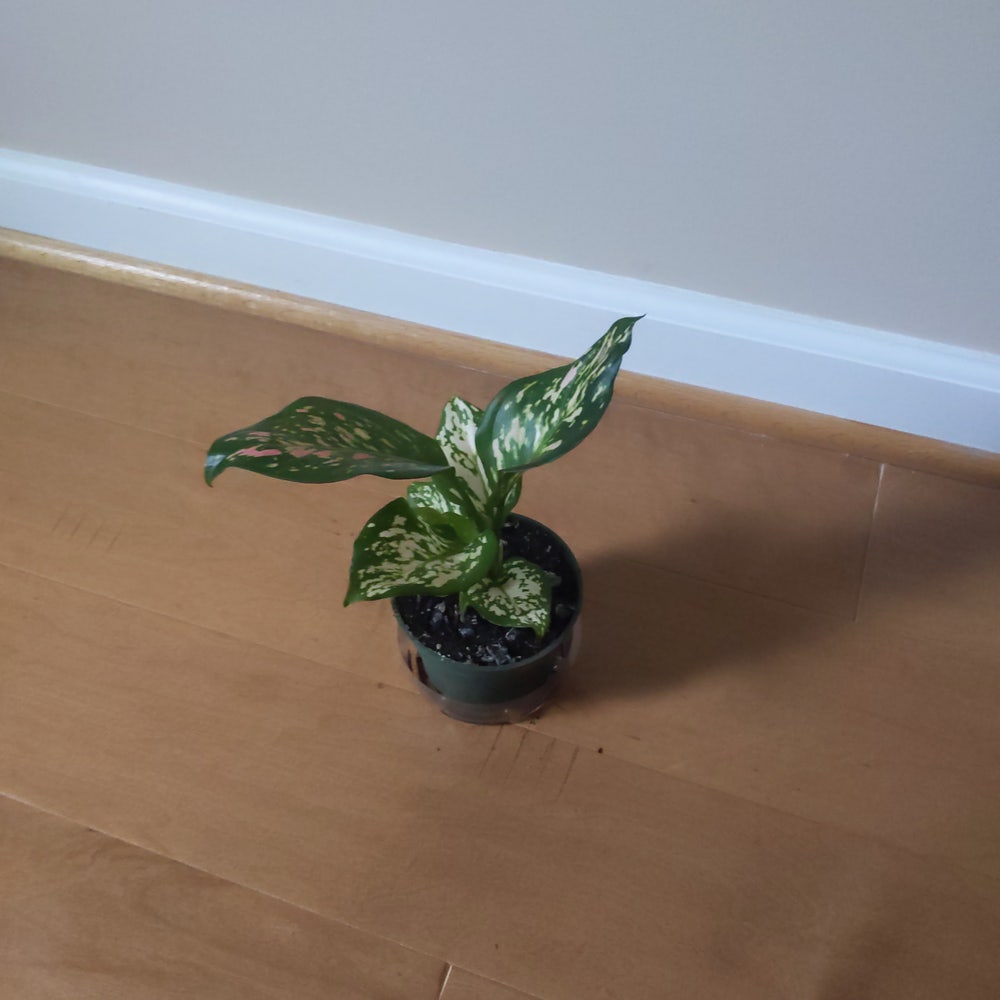
Why Are There Brown Spots on My Pink Dalmatian Aglaonema?
Aglaonema 'Pink Dalmatian'
By the Greg Editorial Team
Jun 18, 2024•4 min read
This article was created with the help of AI so we can cover more plants for you. May contain errors. See one? Report it here.
- Brown spots signal care issues like watering, pests, or environmental stress.
- Adjust watering, light, and humidity to treat and prevent spots.
- Consistent care and monitoring are key to a healthy Pink Dalmatian Aglaonema.
Spotting the Trouble: Identifying Brown Spots
🚱 Visual Clues and What They Mean
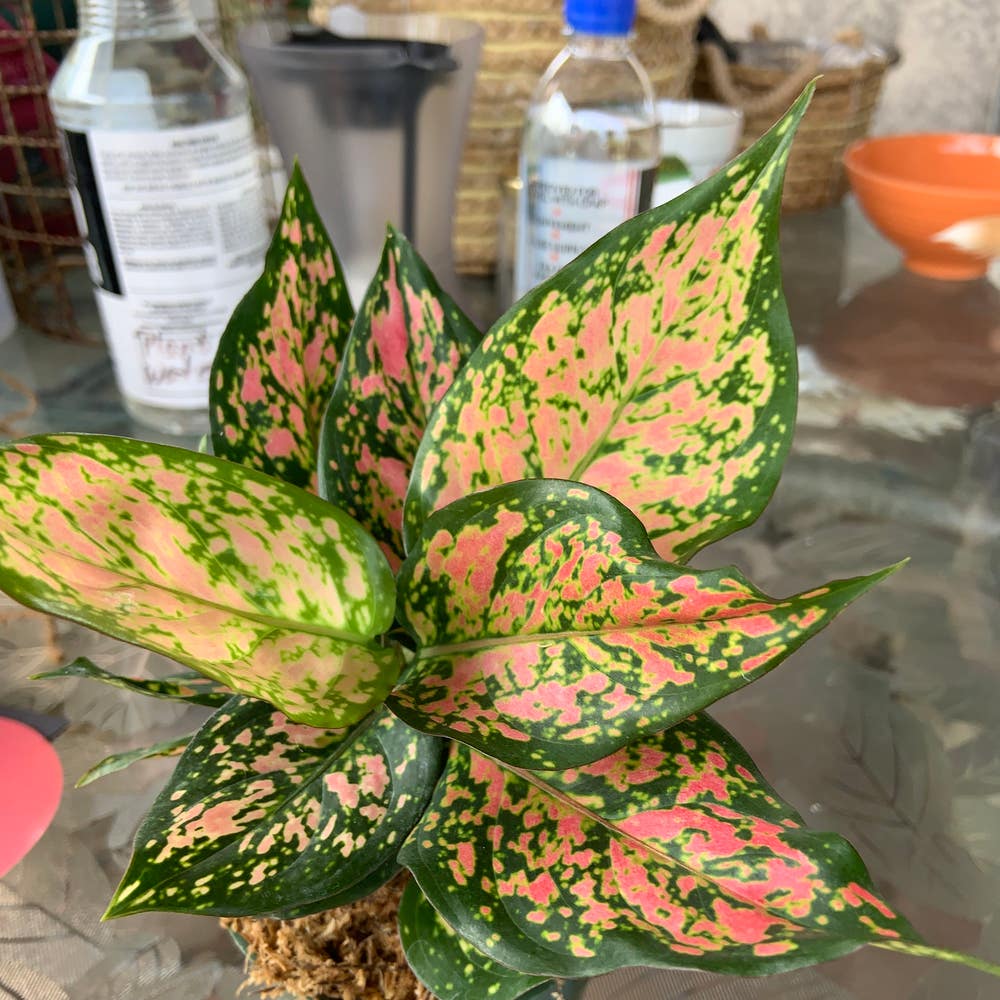
Brown spots on your Pink Dalmatian Aglaonema are like red flags; they demand attention. These spots can vary in appearance, from dry patches to wet lesions, sometimes surrounded by a yellow halo. Their location on the leaf can offer clues, with edges and centers being common targets. It's crucial to differentiate between natural leaf variegation and problematic spots.
🕵️ Common Culprits Behind the Spots
Several factors might be causing these unsightly blemishes. Overwatering can lead to soft, mushy brown spots, while underwatering leaves dry, crispy marks. Pests such as spider mites, aphids, and mealybugs are notorious for leaving behind brown spots as they feed on the plant's sap. Diseases, particularly fungal infections, can also manifest as brown spots with a distinct pattern. Environmental stress from improper light or humidity levels should not be overlooked as potential contributors to the problem.

Getting to the Root: Pinpointing the Cause
💧 Water Woes: Over or Underwatering?
Overwatering and underwatering can turn your Pink Dalmatian Aglaonema's leaves into a brown-spotted mess. If the soil feels more like a swamp, you're drowning the roots. Conversely, a soil texture akin to dry toast suggests your plant is parched. Both extremes can cause brown spots, but they have distinct characteristics. Overwatering leads to soft, mushy spots, often near the base of the plant, while underwatering results in dry, crispy edges.
🐜 Uninvited Guests: Pest Infestations
Pests are like that annoying relative who shows up unannounced and leaves a mess. Spider mites, aphids, and mealybugs are the usual suspects. They're tiny but mighty, leaving behind a trail of brown spots as they suck the life out of your plant. Look for fine webbing or a sticky residue as telltale signs of these uninvited guests.
🌿 Environmental Stress: Light and Humidity Factors
Your Aglaonema is not a fan of the extreme makeover, home edition. Too much direct sunlight can give it the plant equivalent of a sunburn, while insufficient light leaves it straining for energy, resulting in brown spots. Humidity is another balancing act; too little and the leaves desiccate, too much and you're in a fungal fiesta. Aim for that sweet spot where the air feels like a gentle morning mist.

The Fix: Treating Brown Spots on Your Aglaonema
💧 Adjusting Your Watering Technique
Watering your Pink Dalmatian Aglaonema is like a trust exercise; you need to find the sweet spot. If the soil feels Sahara-dry at the top, it's time to water. But if it's damp, give it a breather. Remember, these plants prefer their drinks in moderation – overwatering is a no-go.
🐜 Pest Control: Natural and Chemical Solutions
Pests are like uninvited party crashers, and they love to leave their mark. Neem oil is your bouncer – it's natural and shows those pests the door. If things get out of hand, you might need to break out the chemical solutions, but that's the last line of defense. Always read labels and suit up with gloves, because safety never takes a day off.
🌿 Tweaking the Environment
Your Aglaonema's environment should feel like its personal zen garden. Humidity is key, so set up a pebble tray or a humidifier to keep the air moist. But watch out for the soggy feet; nobody likes that. As for light, bright but indirect is the mantra. Direct sunlight is the arch-nemesis of those lovely leaves. Keep the temperature steady, between 65-75°F, to avoid turning your plant's home into a stress zone.

Keeping Spots at Bay: Prevention Tips
💧 Consistent Care Routine
Establish a watering and care schedule to prevent stress. Your Pink Dalmatian Aglaonema thrives on routine, so mark your calendar for regular hydration check-ins. Overwatering is as harmful as neglect, so ensure the soil is dry to the touch before giving it a drink.
👀 Regular Monitoring for Early Detection
Inspect your plant regularly for early signs of distress. Brown spots can be the silent alarms of underlying issues. Catch them early, and you can often stop the problem before it spreads. Keep an eye out for unusual leaf discoloration or texture changes—it's your cue to take action.
⚠️ Safety First
This content is for general information and may contain errors, omissions, or outdated details. It is not medical, veterinary advice, or an endorsement of therapeutic claims.
Always consult a qualified healthcare professional before using any plant as food, medicine, or supplement.
Never eat any plant (or feed one to pets) without confirming its identity with at least two trusted sources.
If you suspect poisoning, call Poison Control (800) 222-1222, the Pet Poison Helpline (800) 213-6680, or your local emergency service immediately.
Spotted an error? Please report it here.
Eradicate those pesky brown spots on your Pink Dalmatian Aglaonema with precision 🎯 by using Greg to tailor your watering, light, and pest management, ensuring your plant thrives.