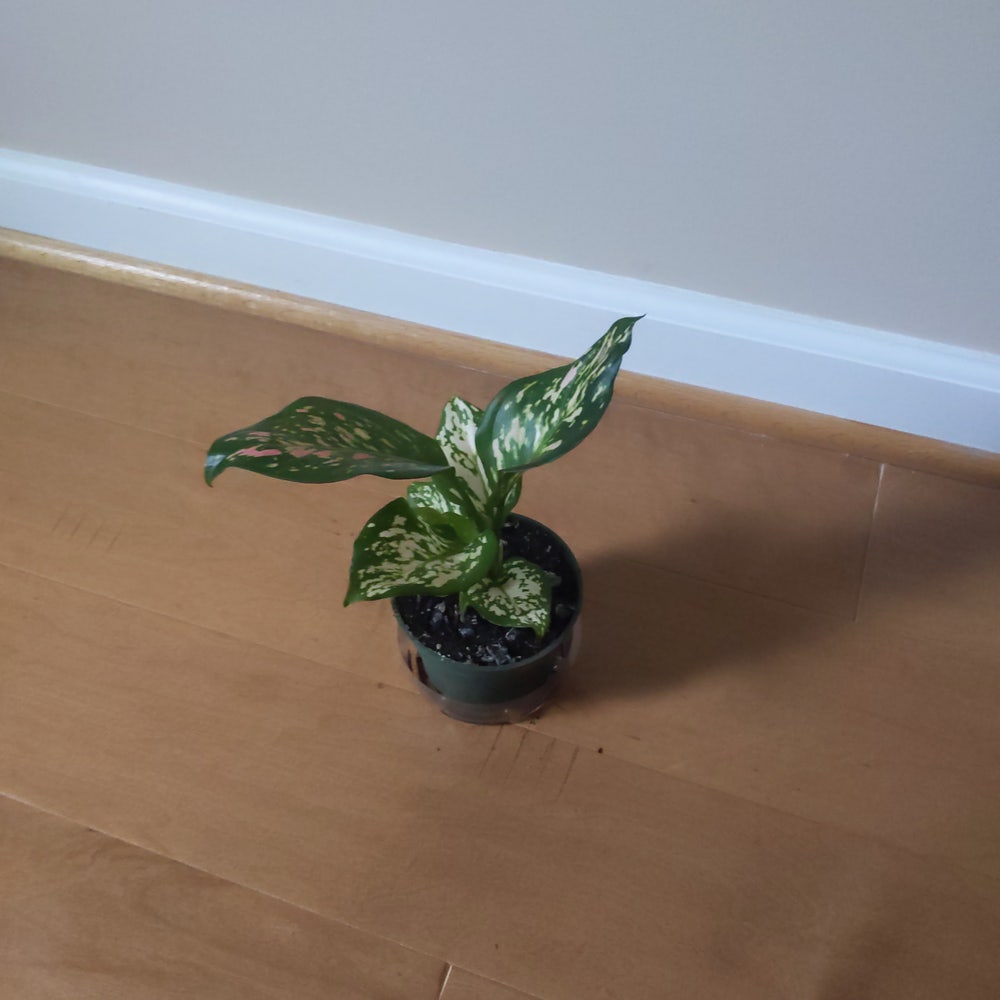
How Often Do I Need to Water My Pink Dalmatian Aglaonema?
Aglaonema 'Pink Dalmatian'
By the Greg Editorial Team
Jun 18, 2024•4 min read
This article was created with the help of AI so we can cover more plants for you. May contain errors. See one? Report it here.
- Yellowing or wilting leaves? Overwatering. Crispy tips? Underwatering.
- Seasons change, so does watering - adjust for temperature and humidity.
- Soil and pot size matter for determining watering frequency.
Spotting the Thirst Cues
🌿 Signs of a Happy, Hydrated Plant
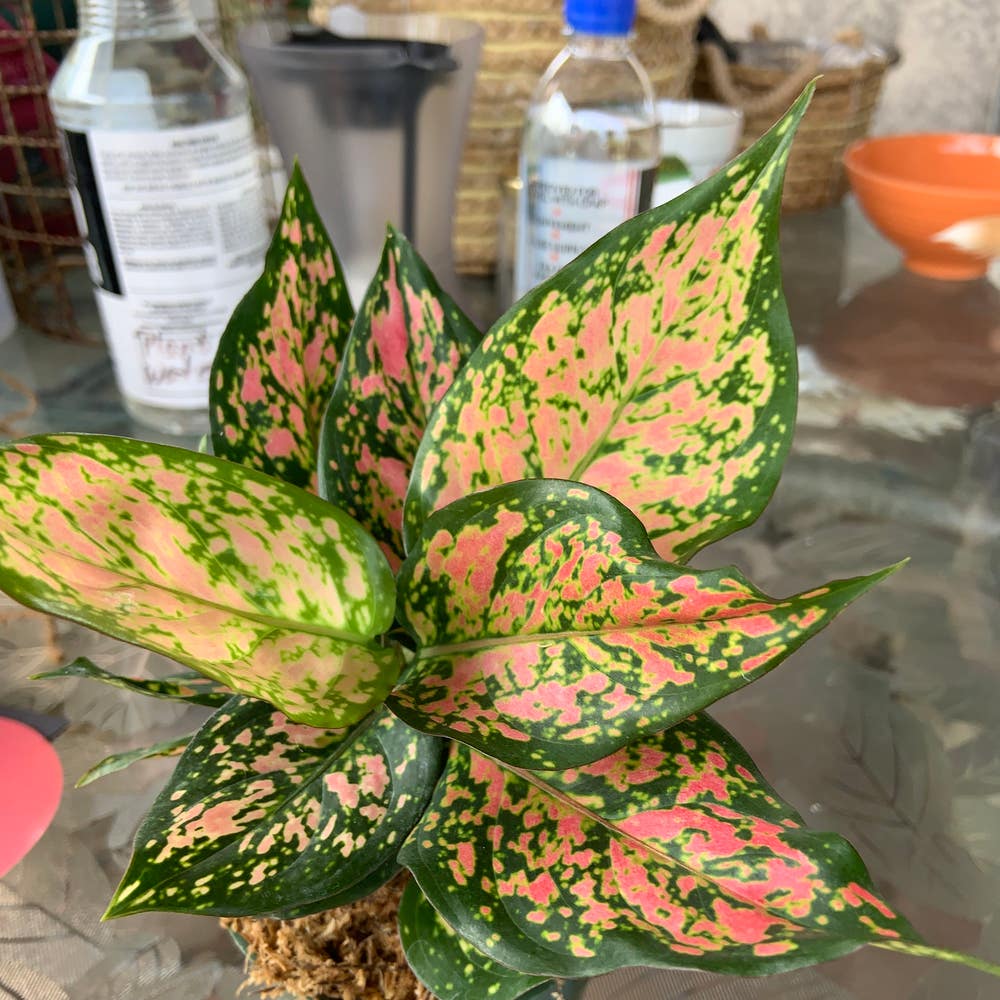
Lush, vibrant leaves are the hallmarks of a well-watered Pink Dalmatian Aglaonema. When the soil feels moist at an inch deep, you've hit the hydration sweet spot.
🆘 SOS Signals: Over and Underwatering Symptoms
Yellowing leaves can be a distress call for overwatering, while crispy tips often cry out from underwatering. Overly soggy soil is a no-go; roots need to breathe, not swim. Conversely, if the pot feels as light as your empty coffee mug, it's time to water.
Wilting despite wet soil? That's overwatering waving a red flag. Dry, brittle leaves that crumble on touch? Your Aglaonema's thirst is real.
Fungal growth is the unwanted guest of overwatering. If you spot mold, dial back on the drinks.
Remember, the weight of the pot and the top inch of soil are your best guides. Keep your watering can close, but your observation skills closer.

Crafting the Perfect Watering Schedule
💧 Seasonal Shifts in Watering Needs
Adjust your watering schedule as the seasons change. During the summer, your Pink Dalmatian Aglaonema will likely need more water to support its growth phase. In contrast, winter's chill means your plant's thirst diminishes—water less frequently as growth slows.
🌞 Environmental Factors at Play
Light, temperature, and humidity aren't just small talk; they're critical to your watering routine. More light and higher temperatures can mean your plant will need more water, while lower light and cooler temperatures suggest you can ease up on the watering can.
🌱 Soil and Pot Dynamics
Consider the soil type and pot size. If you're dealing with a small pot, expect to water more often—it's like a tiny studio apartment that fills up quickly. Larger pots, on the other hand, dry out slower, like a spacious house. And if your soil is fast-draining, you'll be watering more frequently than if it's moisture-retentive.
🚿 Watering Techniques for Success
Consistency is key—but don't be a robot. Check the soil moisture a couple of inches down; if it's dry, it's time for a drink. If it's damp, hold off. Use a moisture meter for precision, or trust your instincts and the feel of the soil. Remember, overwatering is a bigger sin than underwatering, so when in doubt, wait it out.

The Nitty-Gritty of Watering Your Aglaonema
💧 Soil and Pot Dynamics
Soil type and pot size are the unsung heroes in your Aglaonema's life story. Get it right, and you're golden; get it wrong, and you're in for a world of wilt. A well-draining mix is your best bet—think a ménage à trois of coco coir, perlite, and compost. This trio ensures optimal moisture without the dreaded sogginess.
For pots, it's all about the drainage holes. No holes? No problem. Just chuck a layer of lava rocks at the bottom to create a makeshift drainage system. It's like a life jacket for your plant's roots, keeping them from drowning in excess water.
💦 Watering Techniques for Success
Watering isn't rocket science, but it's not exactly a walk in the park either. Check the soil before you water—stick your finger in there, and if the top two inches feel like the Sahara, it's time to hydrate. Bright light equals thirsty plant; dial back the H2O in lower light.
Overwatering is the fast track to Plant Parenthood Hell. Yellow leaves? Mushy stems? You've gone too far. Let the soil dry out like a desert before you even think about watering again. And when you do water, do it thoroughly—let your plant drink its fill, then let any excess drain away.
Remember, your Aglaonema is a unique snowflake. Observe and adapt, and soon you'll be the plant whisperer your friends never knew they needed.

Tailoring Your Approach
🌱 Adapting to Your Plant's Unique Needs
Your Pink Dalmatian Aglaonema is not just another pretty leaf in the pot; it's a living barometer for its own needs. Observe the plant's reactions to watering and tweak your approach accordingly. If the leaves start to droop or crisp up, it's not being coy—it's parched. Conversely, yellowing leaves might be screaming, "Ease up on the H2O, buddy!" Trust the signals and adjust.
🌿 Pro Tips for Plant Parenthood
Here's the scoop: consistency is your friend, but so is being a bit of a detective. Use a moisture meter to avoid the guesswork; it's like a cheat sheet for plant hydration. And remember, your plant's environment is as stable as a reality TV show. Changes in light, season, and room temperature all call for a watering schedule that's more flexible than a gymnast. Keep the soil well-draining to avoid soggy root drama, and clean those leaves to keep them breathing easy. Lastly, don't be stingy with the humidity—group plants together or set up a pebble tray to keep the air moist without turning your place into a tropical rainforest.
⚠️ Safety First
This content is for general information and may contain errors, omissions, or outdated details. It is not medical, veterinary advice, or an endorsement of therapeutic claims.
Always consult a qualified healthcare professional before using any plant as food, medicine, or supplement.
Never eat any plant (or feed one to pets) without confirming its identity with at least two trusted sources.
If you suspect poisoning, call Poison Control (800) 222-1222, the Pet Poison Helpline (800) 213-6680, or your local emergency service immediately.
Spotted an error? Please report it here.
Ensure your Pink Dalmatian Aglaonema stays perfectly hydrated 💧 with Greg's personalized reminders that consider your home's climate and the plant's needs, so you never have to guess when to water again.