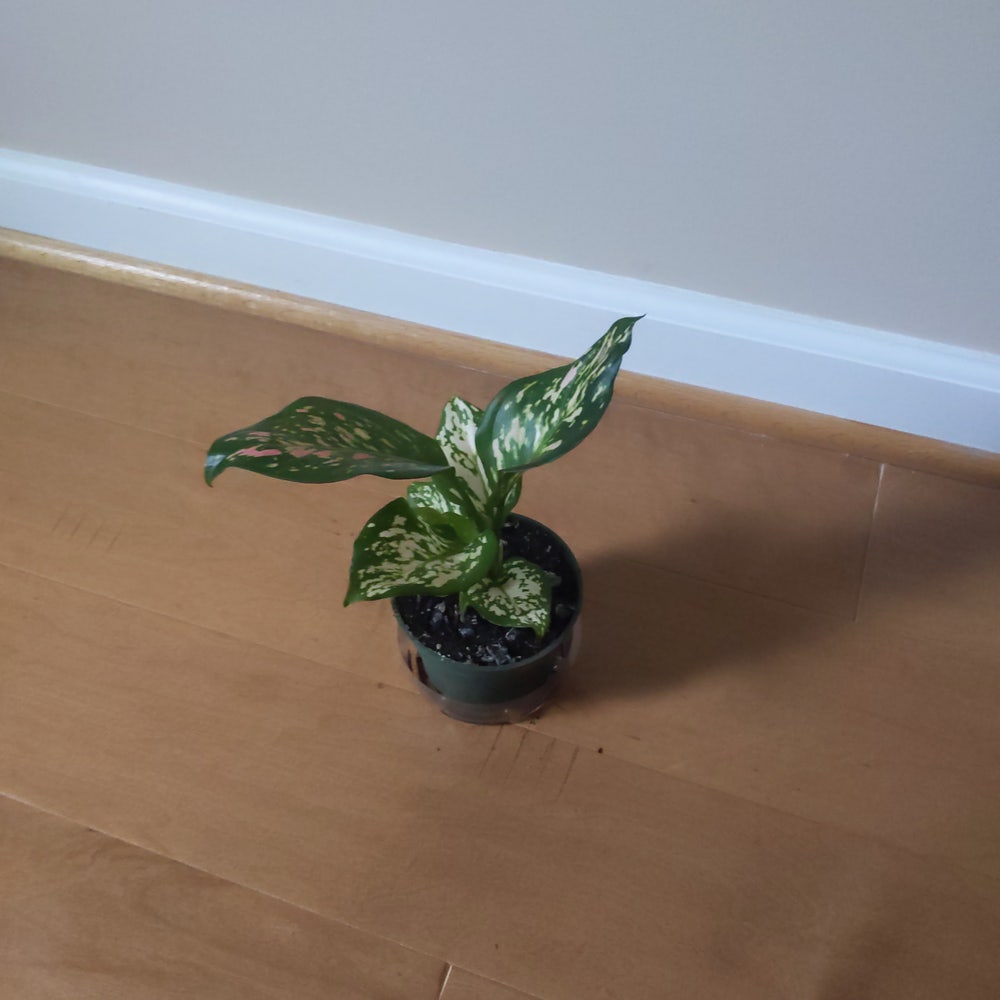
How Do I Fix Pink Dalmatian Aglaonema Root Rot?
Aglaonema 'Pink Dalmatian'
By the Greg Editorial Team
Jun 18, 2024•4 min read
This article was created with the help of AI so we can cover more plants for you. May contain errors. See one? Report it here.
- Yellow leaves and foul odor signal root rot in Aglaonema.
- Trim and repot with well-draining soil to treat root rot.
- Prevent recurrence with balanced watering and proper pot drainage.
Spotting the Trouble: Recognizing Root Rot in Your Aglaonema
🚩 Visual Red Flags
Yellowing leaves and a wilting demeanor in your Pink Dalmatian Aglaonema are red flags. These symptoms scream "trouble at the roots" louder than a siren in a silent night.
👃 Sniff and Scrutinize
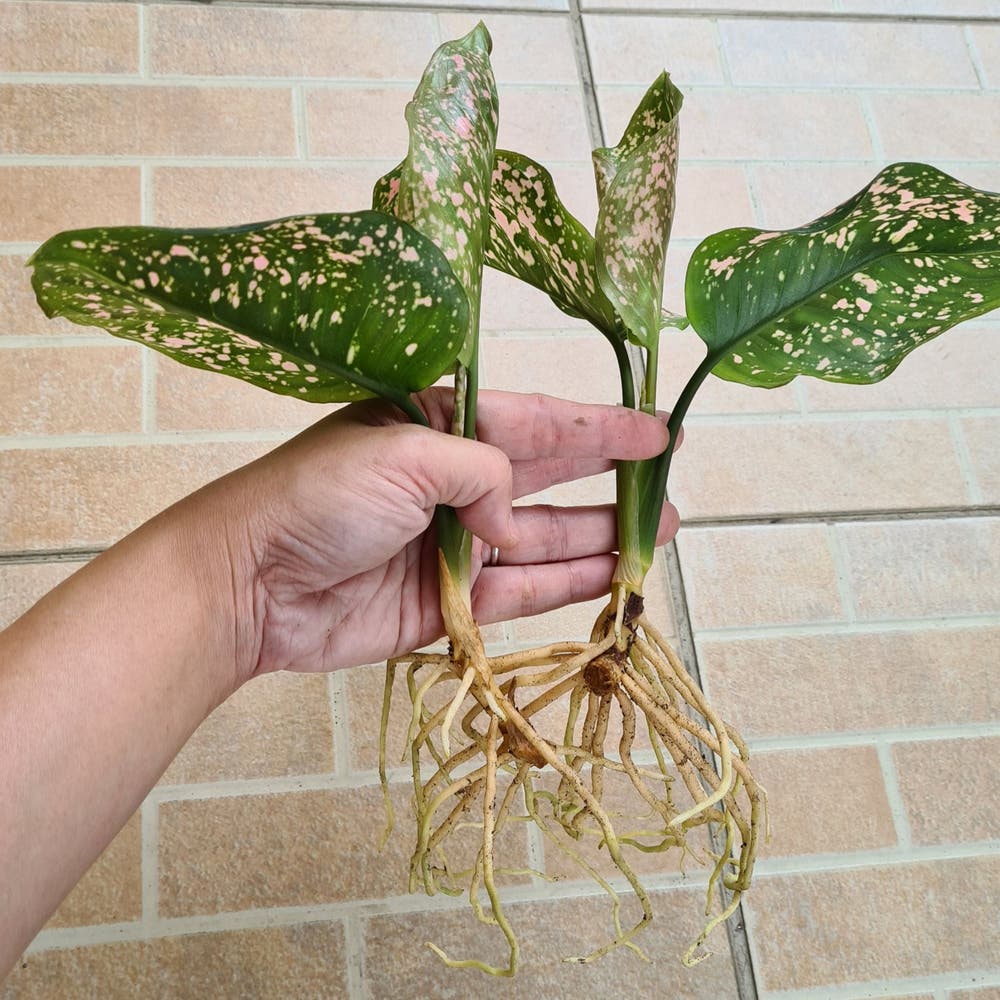
Trust your nose: a foul odor is the plant's version of a distress call. Healthy roots should look like fresh, white spaghetti, not brown mush.
🔍 Quick Checks for Confirmation
To confirm root rot, don't just glance—investigate. Compare the symptoms to other ailments; if it's root rot, the evidence will be unmistakable in the roots' appearance and smell.

Immediate Response: Treating Root Rot Step by Step
🚑 First Aid for Roots
When your Pink Dalmatian Aglaonema shows signs of root rot, act fast. Gently remove the plant from its pot and wash away the soil to reveal the roots. Healthy roots are firm and white, while rotten ones are mushy and brown. Snip the rot with sterilized scissors, leaving only the healthy tissue. This may feel like a plant massacre, but it's a necessary evil.
🌱 Repotting for Recovery
Choose wisely: a new pot with ample drainage and fresh, well-draining soil are your plant's new best friends. When repotting, handle the roots with care to minimize stress. Place your Aglaonema in its new home and fill around it with soil, taking care not to bury it deeper than it was before. Water sparingly at first—think of it as a plant in ICU, where every drop counts.

Battling the Rot: Remedies and Recovery
💊 Going Natural or Chemical?
When root rot attacks your Pink Dalmatian Aglaonema, you've got a choice: the gentle touch of natural remedies or the might of chemical fungicides. If you're leaning towards chemicals, remember to apply them thoroughly, covering all exposed areas to fend off new infections. Timing is crucial—get them on at the first sign of trouble. And don't even think about winging it; follow the label like it's your plant's lifeline.
For those preferring a softer approach, concoct a homemade brew. Think of baking soda mixtures or chamomile tea as your go-to potions. They're not instant fixes, but with patience, they can turn the tide. Remember to spot test to avoid replacing one issue with another.
🛠️ The Road to Recovery
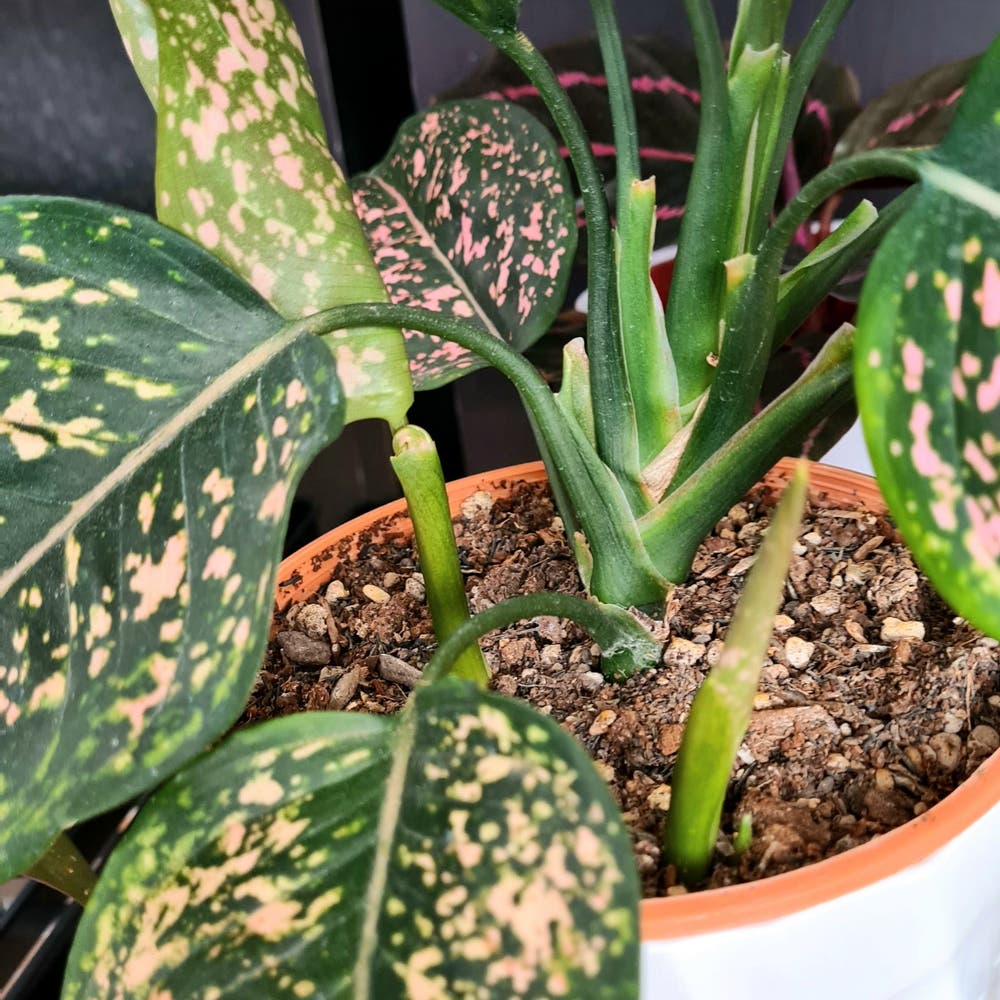
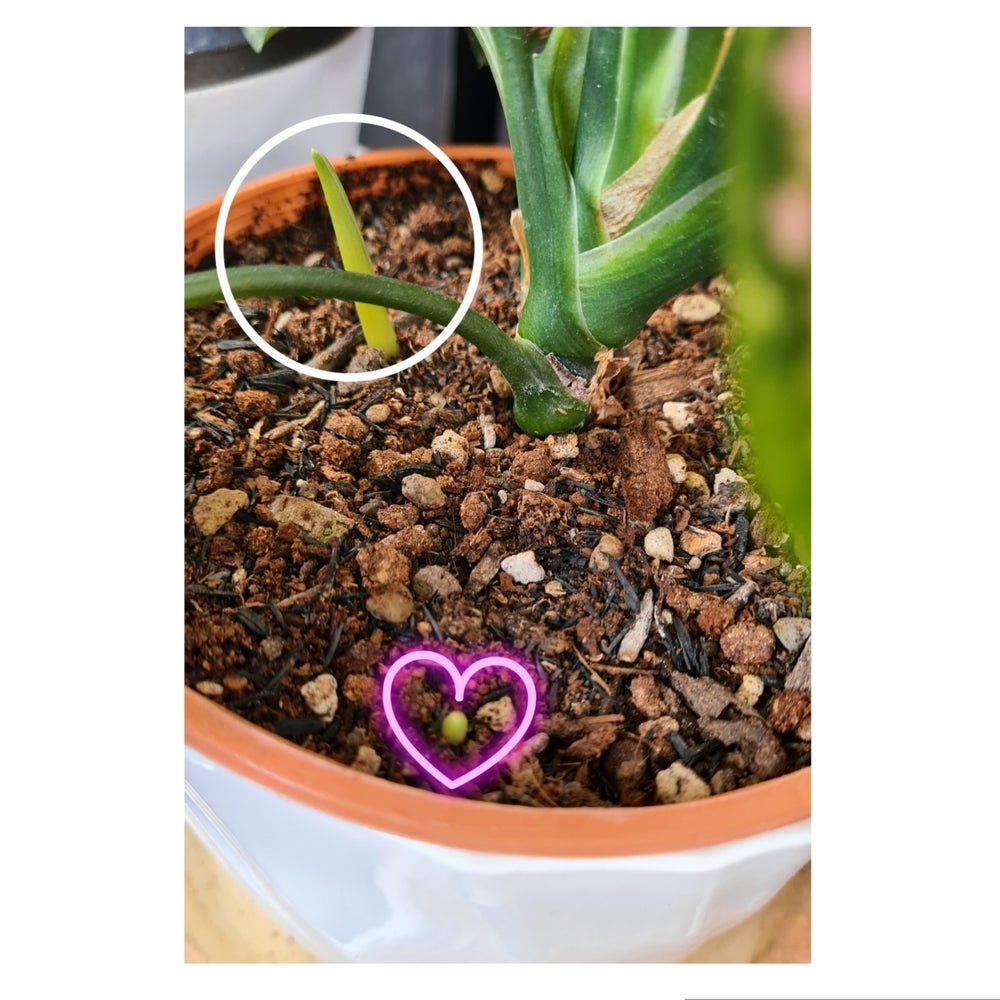
Post-battle, it's all about optimal conditions. Your Aglaonema's recovery zone should be like a spa retreat—think perfect lighting, humidity on point, and no waterlogging. Expect a slow but steady return to health, with new growth signaling your victory.
Keep a close eye on your recovering patient. If you've gone the chemical route, rotate your fungicides to keep those pesky fungi guessing. And if you're riding the natural wave, keep up with those gentle applications, ensuring your plant's environment is hostile to rot but a sanctuary for growth.

Keeping It Dry: Prevention Strategies
💧 Watering Wisdom
Balance is the name of the game when it comes to watering your Pink Dalmatian Aglaonema. Overwatering is like giving your plant a one-way ticket to Root Rot City. Wait until the soil feels dry to the touch before you water again. If you're the techy type, a soil moisture meter can be your new best friend, ensuring you're not playing a guessing game with hydration.
🏡 The Right Foundation
Choosing the right soil is like picking a good pair of running shoes for a marathon—it's essential. Go for a well-draining mix; think perlite, sand, or even a cactus mix to keep things airy. Your pot needs to have drainage holes, or you might as well be planting your Aglaonema in a swimming pool. If you fall for a pot without holes, double potting is your loophole. It's not just about aesthetics; it's about giving your plant the drainage it deserves.
⚠️ Safety First
This content is for general information and may contain errors, omissions, or outdated details. It is not medical, veterinary advice, or an endorsement of therapeutic claims.
Always consult a qualified healthcare professional before using any plant as food, medicine, or supplement.
Never eat any plant (or feed one to pets) without confirming its identity with at least two trusted sources.
If you suspect poisoning, call Poison Control (800) 222-1222, the Pet Poison Helpline (800) 213-6680, or your local emergency service immediately.
Spotted an error? Please report it here.
Banish root rot and keep your Aglaonema thriving 🌿 with Greg's personalized watering reminders tailored to prevent overwatering and ensure optimal recovery.