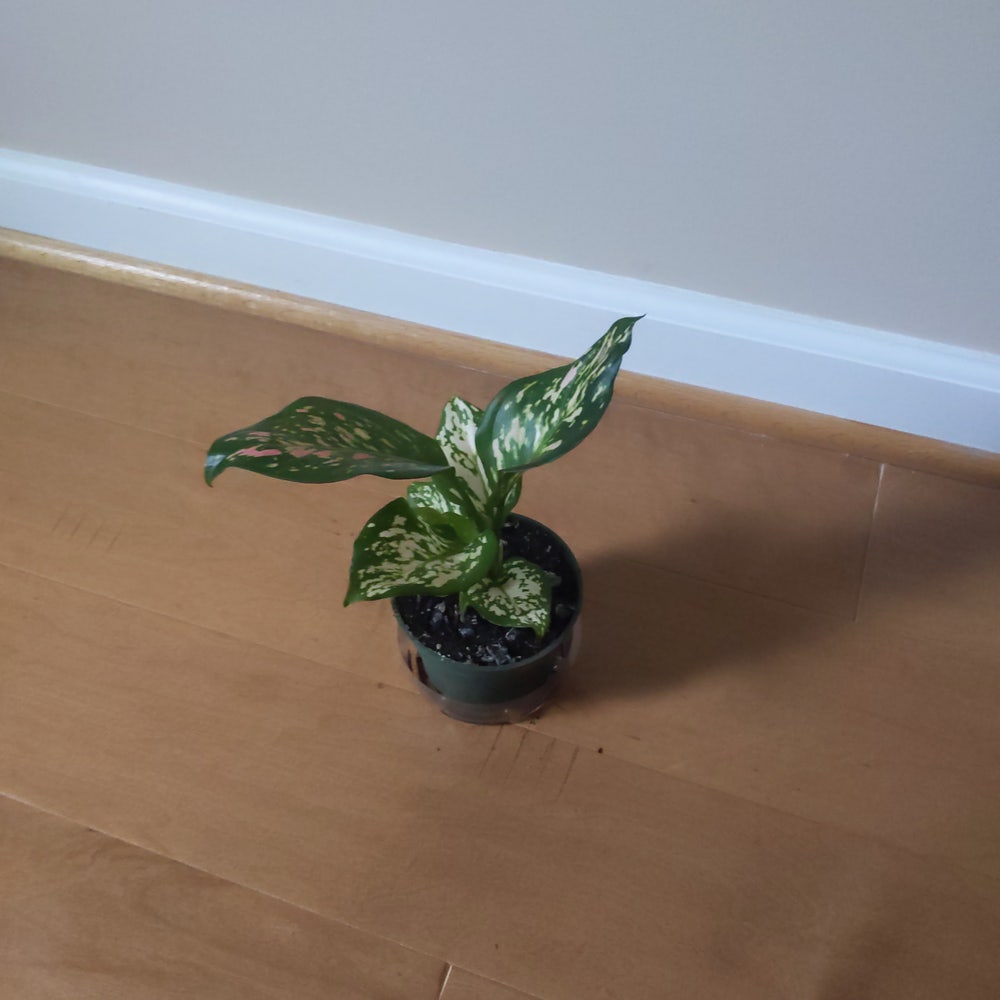
How to Propagate Your Pink Dalmatian Aglaonema
Aglaonema 'Pink Dalmatian'
By the Greg Editorial Team
Jun 18, 2024•6 min read
This article was created with the help of AI so we can cover more plants for you. May contain errors. See one? Report it here.
- 🌱 Choose healthy 4-6 inch stems with nodes for successful propagation.
- Root in water or soil; patience required for roots to emerge.
- 🚫 Prevent root rot by avoiding overwatering and using well-draining soil.
Snip & Root: Stem Cutting Magic
🌱 Choosing Your Champion Stem
Identifying a healthy stem is like picking the best athlete for your team. Look for stems that are vibrant and free of disease, with a semi-hardwood texture. The ideal length is between 4-6 inches, with several leaf nodes acting as potential root generators. Ensure your tools are sterilized; think of it as pre-op for your green patient. Snip at a 45-degree angle below a node to maximize rooting area and moisture absorption.
🌿 Rooting Your Cuttings
💧 Water Rooting
For those who prefer the aquatic approach, here's the drill:
- Fill a container with water, enough to submerge the nodes but keep the leaves high and dry.
- Place your stem cutting in the water, ensuring it's not upside down—roots won't grow from the sky.
- Set the container in a spot with indirect light; direct sunlight is a no-go.
- Swap out the water weekly, giving the roots a gentle cleanse to avoid the "mucky film."
🌱 Soil Rooting
If you're team soil, follow these steps:
- Prepare a pot with a mix of peat, perlite, and potting soil—think of it as a comfy bed for your cuttings.
- Dip the cut end in rooting hormone for that extra kick of growth energy.
- Plant the stem cutting into the soil, just deep enough to support itself.
- Maintain soil moisture but avoid waterlogging; think damp sponge, not swamp.
In both methods, patience is your virtue. Roots take time to emerge, like a slow-cooked meal, but the flavors are worth the wait. Keep an eye on your cuttings, and when you see roots brave enough to explore, you're ready for the next step.

Double the Fun: Propagation by Division
🌱 When and How to Divide
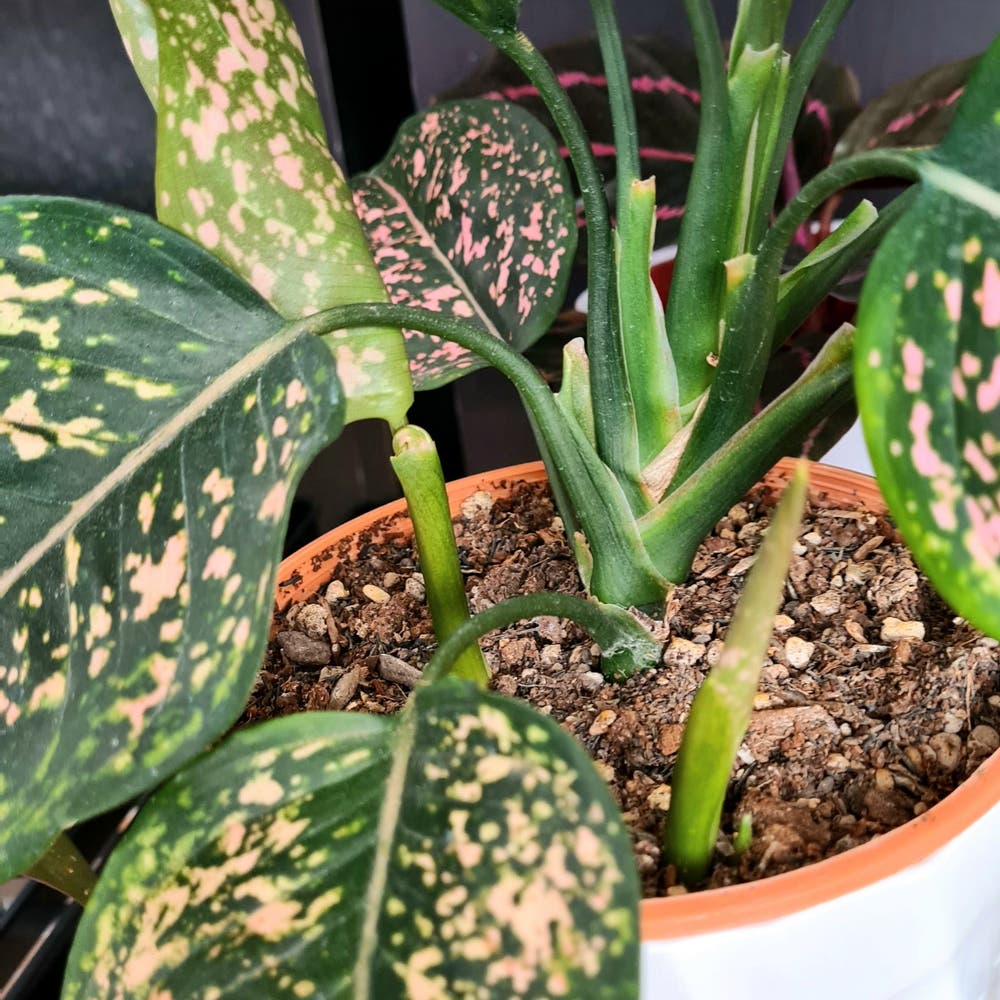
Your Pink Dalmatian Aglaonema is a crowd-pleaser—literally. When it's bursting at the seams, it's time to divide. Look for roots peeking out of drainage holes or a top-heavy plant that's more diva than demure. That's your cue.
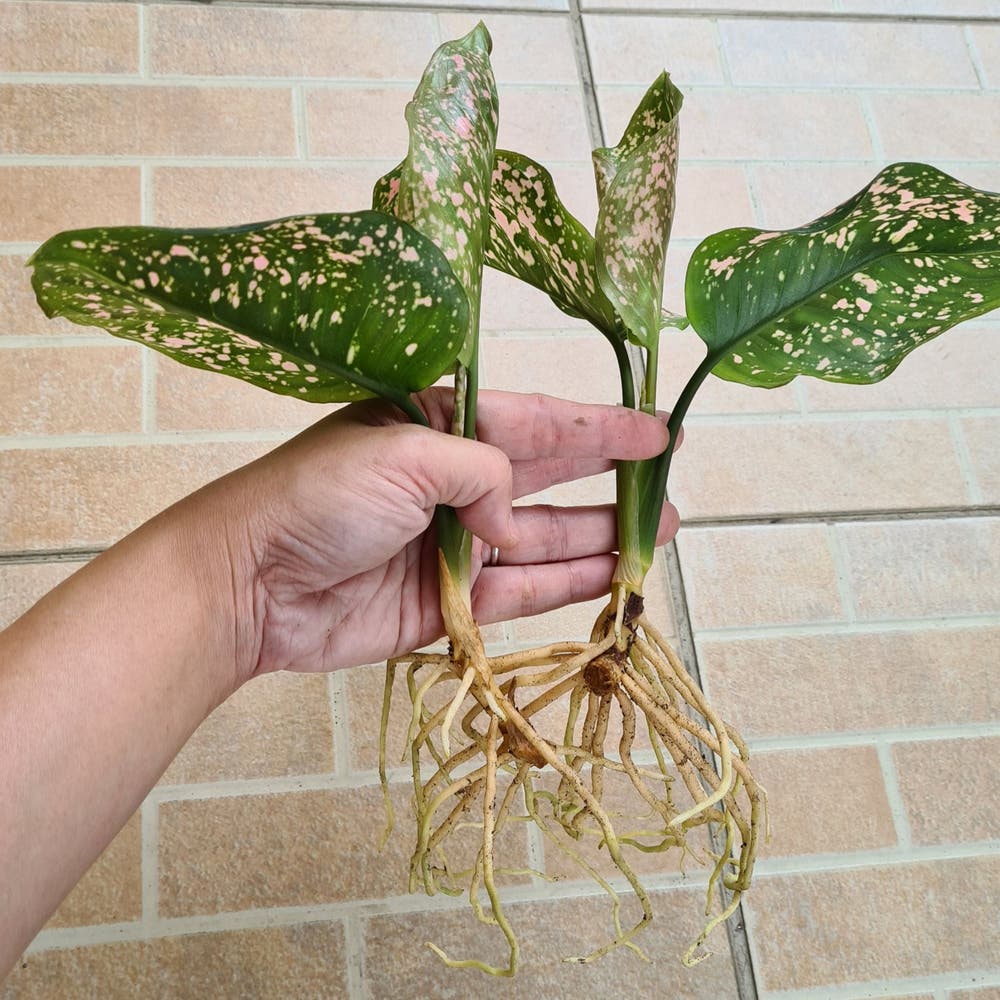
Gently coax the plant from its pot and marvel at the root ball. It's a tangled web of potential. Wash off excess soil to get a clear view of the situation. You're looking for natural separations, like a plant version of "choose your own adventure." Each section should have its own roots and leaves. It's like plant surgery, but with less pressure and no need to scrub in.
🌿 Planting Your Divisions
Choose a pot that's cozy but not cramped—think studio apartment for roots. Ensure it has drainage holes because soggy roots are a no-go. Fill it with a well-draining potting mix; your plant's roots will thank you.
The first watering is like setting the tone for a first date—make it good, but don't go overboard. Water thoroughly, but don't leave it swimming. Aim for moist, not drenched. Your plant's roots need to breathe, after all. Keep the soil consistently moist for the first few weeks, then settle into a more laid-back routine as the plant establishes itself. Remember, overwatering is the root of all evil in the plant world.

The Air Layering Technique
🌱 Setting the Stage for Air Layering
To kick off air layering, gather your gear: a sharp knife, sphagnum moss, rooting hormone, clear plastic wrap, and something to tie it all up, like twist ties or string. Sanitize your tools to prevent introducing any pathogens to your Pink Dalmatian Aglaonema.
🌿 Encouraging Roots to Form
Make two circular cuts about an inch apart around the stem of your plant, then scrape away the bark between them to expose the inner layer. This is where you'll apply the rooting hormone to encourage root growth. Next, wrap the area with damp sphagnum moss, cover it with plastic wrap, and secure it. Patience is key—roots may take a few months to develop. Once you've got a healthy bunch of roots visible through the plastic, it's time to cut your new plant free and pot it up. Keep an eye on the moisture level of the moss; it should be like a wrung-out sponge—moist but not soggy.

Post-Propagation: Ensuring Success
💡 Immediate Care for Freshly Propagated Plants
In the first days post-propagation, your Pink Dalmatian Aglaonema's success hinges on three pillars: light, water, and temperature. Place your plant progeny in a spot bathed in bright, indirect sunlight; think of it as a cozy nook away from the harsh reality of direct rays.
Consistent moisture is key, but avoid waterlogging your hopefuls. The soil should feel like a wrung-out sponge—damp but not dripping. As for temperature, maintain a steady range between 65-75°F (18-24°C), steering clear of drafts that could send your plant babies into shock.
💡 When to Transplant: Reading the Signs of a Ready Plant
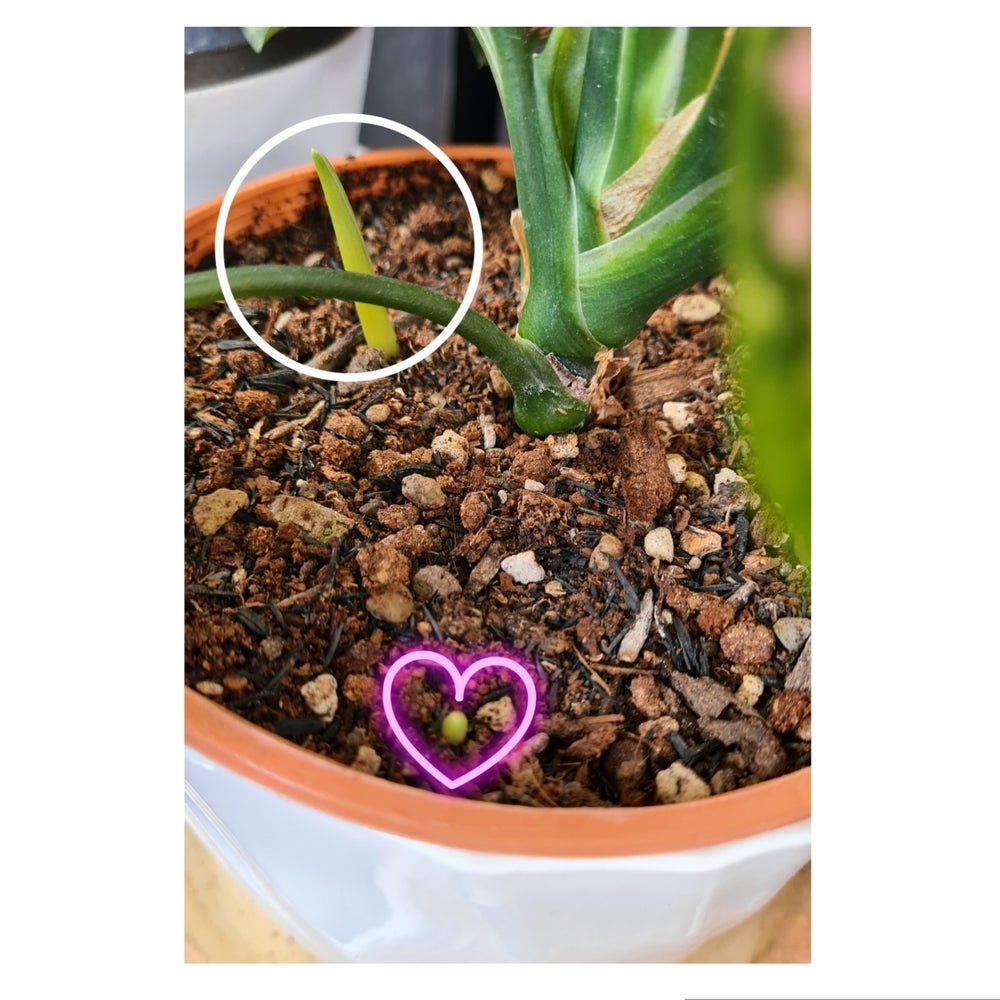
Your plant will whisper when it's ready for a bigger stage—new growth is its way of saying, "Let's move on up!" When roots peek out of the drainage holes or the soil surface, it's time to upgrade their living quarters.
Choose a pot that's a size up and filled with a well-draining mix, ensuring a smooth transition. The first watering in their new home should be thorough yet gentle—like a soft rain, not a deluge. Keep the after-party going with the same care routine, and watch your Pink Dalmatian Aglaonema flourish.
Propagation Pitfalls: Troubleshooting Tips
🌱 Common Hiccups in Propagating Pink Dalmatian Aglaonema
Dealing with Non-Rooting Cuttings and Divisions
If your Pink Dalmatian Aglaonema cuttings are stubbornly refusing to root, it's time to scrutinize your method. Nodes are your best friends here; make sure your cuttings include them, as they're the launch pads for root growth. Ensure you're not just snipping willy-nilly – precision matters. And remember, cleanliness isn't just for show; it's crucial. Sterilize those tools to keep your cuttings free from microbial gatecrashers.
🚫 Preventing and Addressing Root Rot During Propagation
Root rot is the bane of propagation, turning your hopeful green babies into sad, mushy messes. If you spot your cuttings going limp or getting a bit too funky, it's time to act fast. Overzealous watering or a potting mix with the drainage capacity of a sealed jar are usual suspects. Make sure your soil is airy and your water routine is not a flood fest. And if rot has already set in, don't hesitate to perform some surgical removal of the affected areas. After all, a clean cut can mean the difference between propagation success and soggy sorrow.
⚠️ Safety First
This content is for general information and may contain errors, omissions, or outdated details. It is not medical, veterinary advice, or an endorsement of therapeutic claims.
Always consult a qualified healthcare professional before using any plant as food, medicine, or supplement.
Never eat any plant (or feed one to pets) without confirming its identity with at least two trusted sources.
If you suspect poisoning, call Poison Control (800) 222-1222, the Pet Poison Helpline (800) 213-6680, or your local emergency service immediately.
Spotted an error? Please report it here.
Propagate your Pink Dalmatian Aglaonema confidently 🌿 with Greg's tailored reminders and expert community tips for healthy new growth.