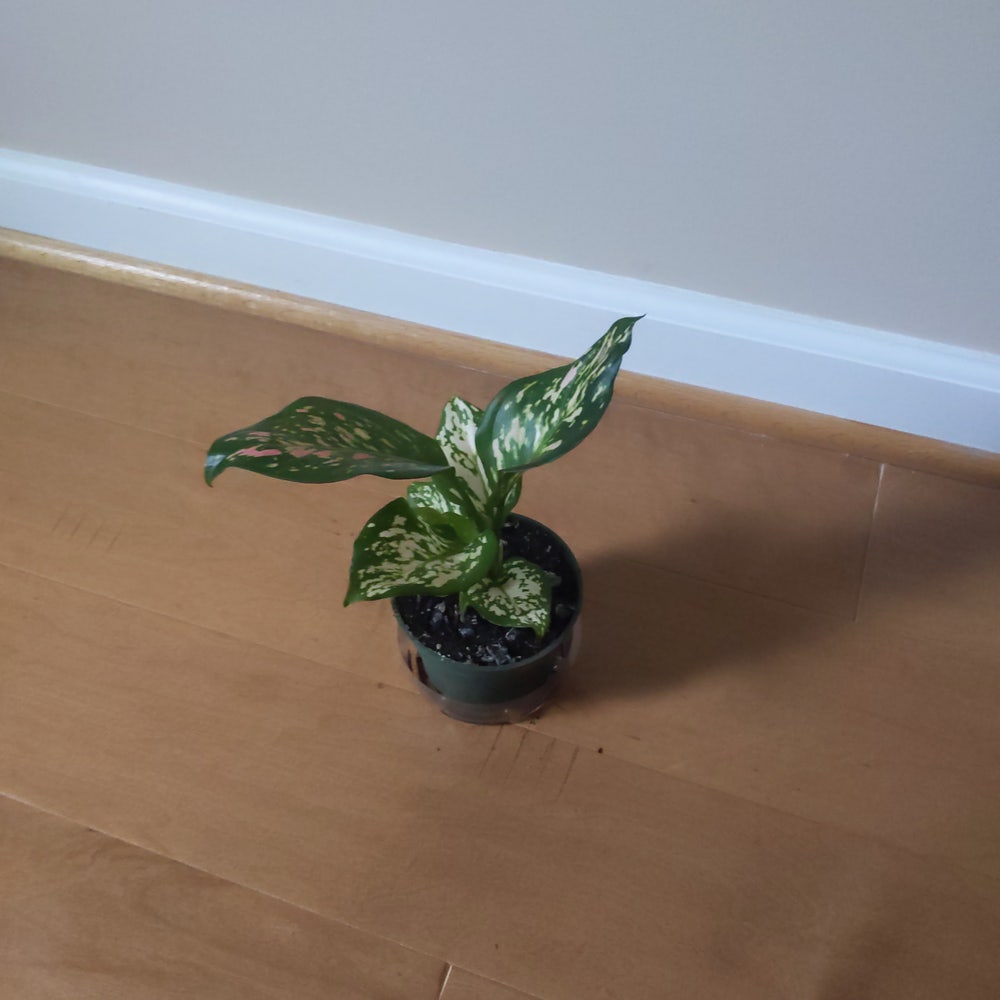
Black Spots on My Pink Dalmatian Aglaonema Leaves
Aglaonema 'Pink Dalmatian'
By the Greg Editorial Team
Jun 18, 2024•6 min read
This article was created with the help of AI so we can cover more plants for you. May contain errors. See one? Report it here.
- Black spots signal disease or stress, not just blemishes; early detection is key.
- Fungal and bacterial infections differ; look for crusty or water-soaked lesions.
- Prevent spots with proper care: correct watering, light, and cleanliness.
Spotting the Trouble: Recognizing Black Spots
🕵️ Initial Signs
Black spots on Pink Dalmatian Aglaonema leaves can be deceptive. They might begin as tiny, innocuous dots, but without prompt attention, these spots can grow, merge, and wreak havoc on your plant's health.
🌡️ Beyond the Blemish
It's crucial to understand that black spots are not just cosmetic flaws. They can be symptoms of disease or environmental stress, signaling that your plant is in distress.
🤔 Texture Tells
Some spots are raised and rough, akin to a scab, while others might be sunken, giving the impression that the leaf's vitality has been compromised.
🌿 Environmental Factors
Remember, the cause isn't always overwatering. Factors like humidity and airflow significantly influence your plant's well-being.
🌞 Light Levels
Too much sun can scorch leaves, leading to black spots. Aim for bright, indirect light to prevent these unsightly marks.
📈 Spot Progression
Monitor your Aglaonema closely. Black spots can spread like wildfire, affecting both old and new growth. Early detection is your best defense against these unwelcome invaders.
🩺 Misdiagnosis
Don't mistake mineral deposits or physical damage for pathogen-induced spots. Keep an eye on the spots' evolution to ensure accurate diagnosis.
🐜 Pest Patrol
Regularly inspect your plant for pests like spider mites or fungus gnats, which can be precursors to more serious black spot issues.
👁️ Visual Indicators
Look for dark, irregular shapes or lesions on the leaves. If you see concentric rings or dark margins, it's likely an infection has taken hold.

Playing Detective: Finding the Culprit
🍄 Fungal Foes: Identifying Telltale Signs of Fungal Infections
Fungal infections are the uninvited guests that can crash your Pink Dalmatian Aglaonema's party. Look for black spots with irregular shapes or those with a crusty texture, which are classic signs of a fungal shindig. Spots surrounded by a subtle halo are also a giveaway. If you find concentric rings or dark margins around the spots, it's time to suspect a fungal culprit. Remember, fungi are like bad roommates; they thrive in moist conditions and can quickly take over if not addressed.
🦠 Bacterial Baddies: How to Spot Bacterial Infections Masquerading as Black Spots
Bacterial infections can be trickier to diagnose. They often present as water-soaked lesions, giving leaves a greasy sheen, sometimes with a distinctive yellow halo. If the black spots on your plant look like they've been through a car wash, you might be dealing with bacterial baddies. These infections require a different approach, often involving bactericides like copper compounds. Apply these with the regularity of a caffeine routine to keep the bacteria at bay.
🌿 Environmental Enemies: Connecting the Dots Between Care Mistakes and Black Spots
Don't overlook the possibility that environmental factors could be the real villains behind those black spots. Care mistakes such as overwatering or providing too much light can create the perfect conditions for both fungal and bacterial parties to start. Spots that appear in sunny, dry conditions might be crying out against excessive light or heat. Keep an eye on your plant's environment and make adjustments as necessary to prevent these unwanted guests from returning.

The Battle Plan: Treating Black Spots
🍄 Fungus Among Us: Choosing the Right Fungicide
Fungal infections are the plant equivalent of a bad cold. They're common, annoying, and can spread if not treated. To combat these, fungicides are your go-to. But not all fungicides are created equal. For early-stage infections, protectant fungicides can prevent further damage. If the infection has set in, systemic fungicides enter the plant's circulation to fight from within. Always follow the label's instructions—this isn't a suggestion, it's a commandment.
💉 Application Tips
Apply fungicides with the precision of a sniper. Overuse is out; it's all about the targeted application. Rotate your fungicides to keep the fungi guessing and resistance at bay. It's like updating your antivirus software; you don't want the pests to catch on.
🦠 Bacteria Be Gone: When and How to Use Antibacterial Measures
If bacteria are the culprits behind the black spots, it's time for antibacterial measures. Copper-based bactericides are the equivalent of sending in the troops. They're effective, but like any good soldier, they should be used wisely. Precision in application is key—target the infected areas and avoid the healthy ones as if they're civilians in a war zone.
🧼 Cleanliness is Key
Before and after you play plant doctor, sterilize your tools. This isn't just good practice; it's a critical step in preventing the spread of bacteria. Think of it as maintaining good hygiene for your plants.
🌿 Environment Adjustment: Quick Fixes to Your Plant's Home
Sometimes, the best defense is a good offense. Adjust your plant's environment to make it less hospitable for the black spot culprits. Air circulation is your friend. Prune strategically to give your plant room to breathe. Water at the base to keep the leaves dry, and do it in the morning so the sun can assist in drying. If your plant's pot lacks drainage, it's like a sinking ship—fix that immediately.
💧 Watering Wisdom
Ensure your watering routine doesn't leave the soil waterlogged. The soil should be moist, like a wrung-out sponge, not a swamp. Pair this with a well-draining soil mix, and you've set the stage for a fungus-free life.

Keeping It Spotless: Prevention Tactics
💧 Water Wisely
Overwatering is your Pink Dalmatian Aglaonema's worst nightmare. It's the equivalent of giving your plant a bath when it just needs a sip. To avoid this, water only when the top inch of soil is dry to the touch. Make sure your pot has drainage holes; they're not just there for decoration, they're your plant's lifeline to avoid soggy roots.
💨 Humidity and Airflow Harmony
Your Aglaonema craves that just-right level of humidity. Not too muggy, not too arid. A pebble tray or a humidifier can help, but keep it balanced. Think of it as setting the mood, not creating a steam room. Airflow is equally crucial. A gentle fan or an open window can prevent your plant from stewing in still air, which is basically an invitation to a fungal house party.
🧼 Cleanliness is Key
A clean plant is a happy plant. Dust the leaves regularly, but don't soak them. Dry foliage is like a shield against fungal invaders. And when it's time to prune, do it with clean, sharp scissors. It's like giving your plant a precision haircut, removing the damaged bits to encourage healthy new growth. Remember, cleanliness isn't just about looking good; it's about staying healthy.
⚠️ Safety First
This content is for general information and may contain errors, omissions, or outdated details. It is not medical, veterinary advice, or an endorsement of therapeutic claims.
Always consult a qualified healthcare professional before using any plant as food, medicine, or supplement.
Never eat any plant (or feed one to pets) without confirming its identity with at least two trusted sources.
If you suspect poisoning, call Poison Control (800) 222-1222, the Pet Poison Helpline (800) 213-6680, or your local emergency service immediately.
Spotted an error? Please report it here.
Keep your Pink Dalmatian Aglaonema spot-free 🌿 with Greg's personalized care reminders that help you adjust humidity, light, and watering just right.