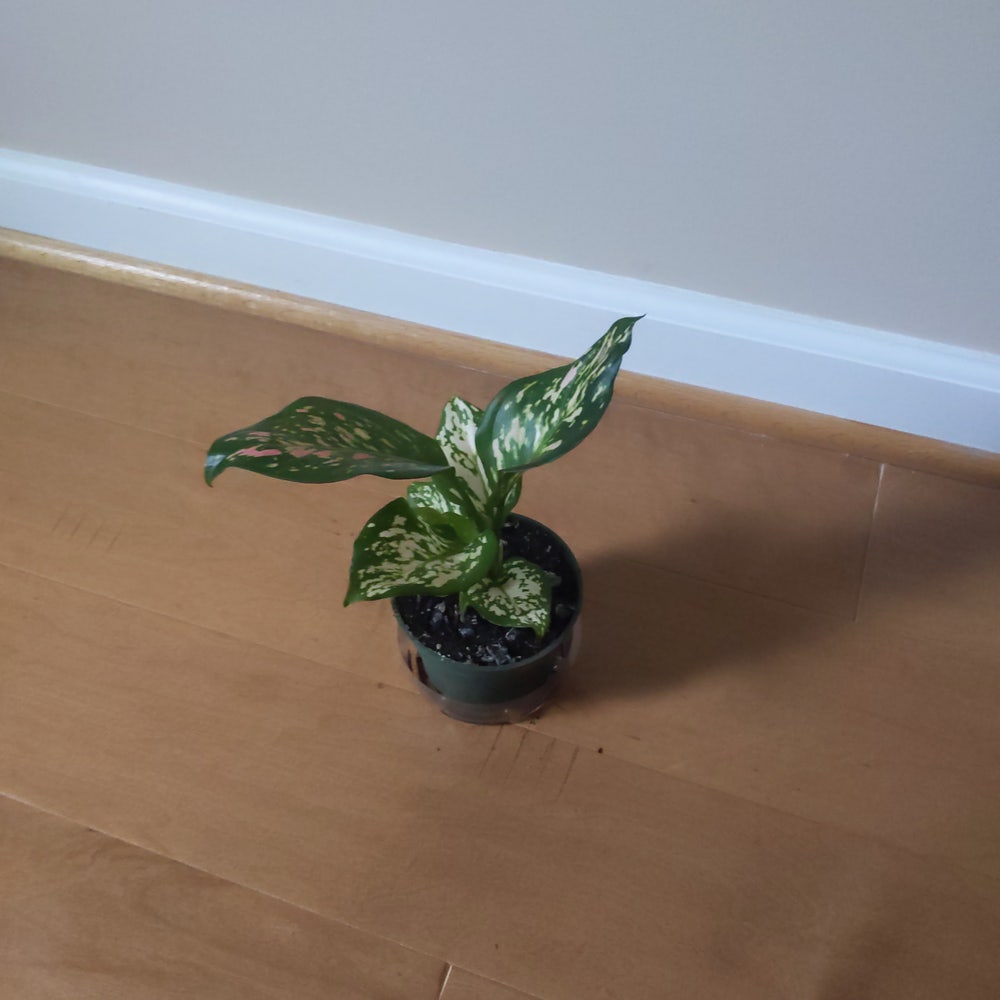
❄️ 3 Key Winter Strategies for Pink Dalmatian Aglaonema
Aglaonema 'Pink Dalmatian'
By the Greg Editorial Team
Sep 30, 2024•5 min read
This article was created with the help of AI so we can cover more plants for you. May contain errors. See one? Report it here.
- 💧 Water every 2-3 weeks in winter to prevent root rot.
- 🌡️ Maintain 40-60% humidity and temperatures between 65°F to 80°F for optimal health.
- 🌞 Position near east/south windows for maximum indirect sunlight during winter.
Winter Care Strategies
Adjusting watering schedules during winter 🌊
Reducing watering frequency is crucial during winter. Allow the top inch of soil to dry out between waterings to prevent issues like yellowing leaves and root rot.
For a recommended watering schedule, aim to water every 2-3 weeks, adjusting based on indoor humidity levels. Use a moisture meter or your finger to check soil moisture before watering.
Modifying fertilizing practices for winter months ❄️
During winter, it's essential to reduce fertilization as the plant enters dormancy. Nutrient uptake decreases significantly, so fertilize only once every 6-8 weeks with a balanced, diluted fertilizer.
When choosing fertilizers, consider liquid options for quick absorption or slow-release types for a steady nutrient supply. Both can be effective, depending on your plant's needs.
Importance of humidity levels in winter care 💧
Maintaining humidity levels between 40-60% is vital for the health of your Pink Dalmatian Aglaonema. Dry indoor air can stress the plant, leading to poor growth.
To increase humidity, consider using a humidifier or placing pebble trays filled with water near your plants. Grouping plants together can also create a microclimate, enhancing humidity levels.
Protecting from frost 🥶
Understanding frost sensitivity is key to winter care. Damage can occur when temperatures drop below 50°F (10°C), so it's important to monitor conditions closely.
Indoors, keep your plants away from drafty windows and unheated areas. If you have outdoor plants, bring them inside before frost warnings, or use frost cloths or blankets for protection when necessary.
These winter care strategies will help your Pink Dalmatian Aglaonema thrive during the colder months. As you implement these practices, you'll set the stage for a vibrant spring growth period.
Indoor Winter Care
Optimal indoor temperatures 🌡️
Maintaining the right temperature is crucial for your Pink Dalmatian Aglaonema during winter. Aim for a cozy range of 65°F to 80°F (18°C to 27°C) and avoid letting temperatures drop below 60°F (15°C).
Stable conditions are key. Fluctuations can stress your plant, so keep an eye on your thermostat and ensure a consistent environment.
Placement for maximum light exposure during winter ☀️
Light is vital for your plant's health, especially in winter. Position your Aglaonema near east or south-facing windows to soak up that indirect sunlight.
As days shorten, adjust its placement. Rotating your plant regularly helps ensure it receives even light exposure, preventing any leggy growth.
Monitoring for pests and diseases in winter 🐛
Winter can bring unwanted guests like spider mites and mealybugs. Keep an eye out for signs of infestation, such as webbing or sticky residue, and act quickly to control them.
Regular inspections are essential. Check the undersides of leaves and the soil for any signs of pests, and maintain cleanliness to keep your plant thriving.
Conclusion
By focusing on optimal temperatures, strategic placement, and vigilant monitoring, you can ensure your Pink Dalmatian Aglaonema remains healthy throughout the winter months. Next, let’s explore how to prepare for spring growth as temperatures begin to rise.
Spring Preparation
Signs of recovery from winter damage 🌱
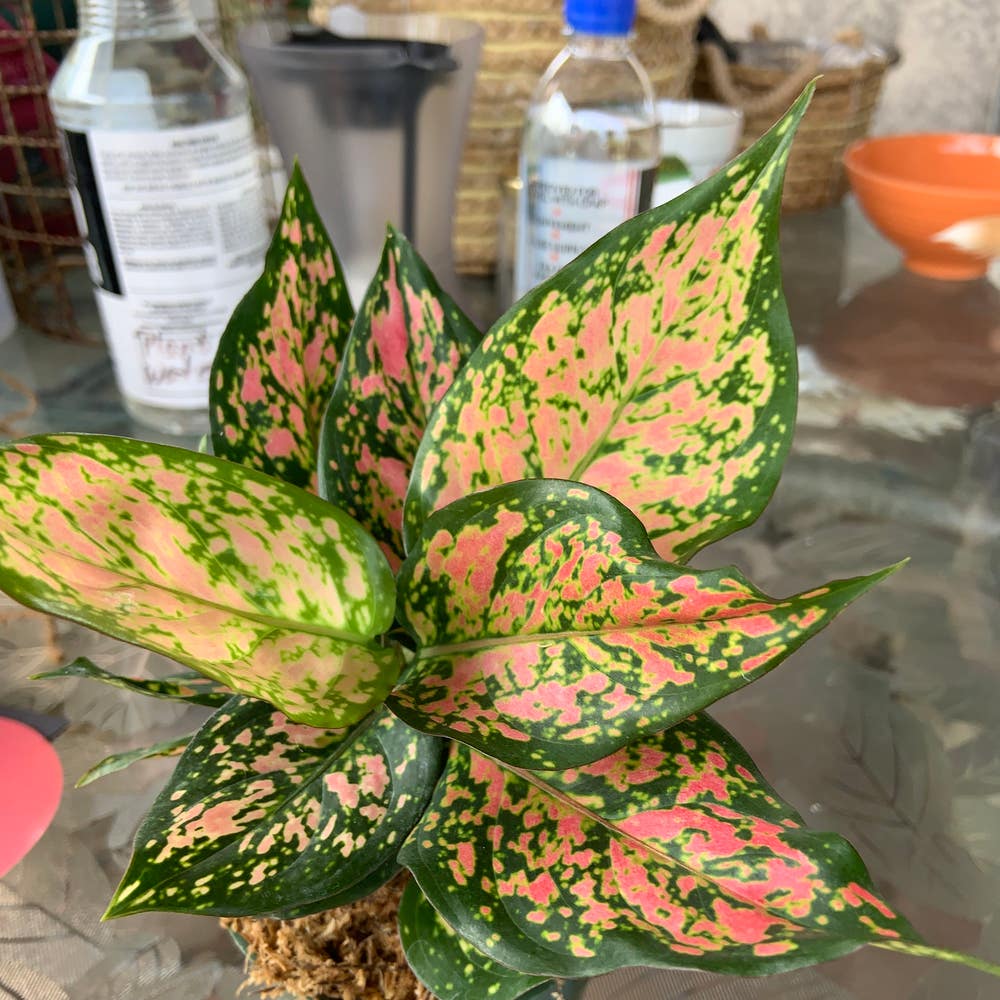
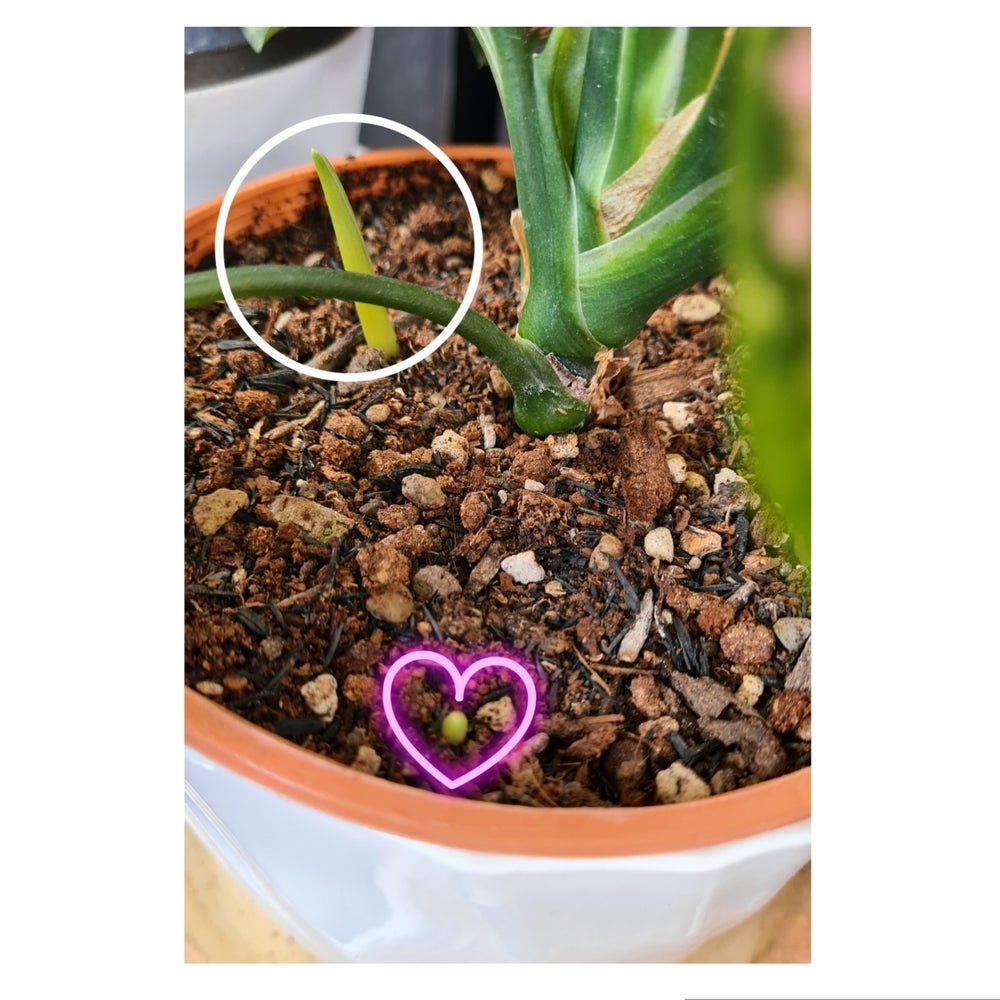
As winter fades, your Pink Dalmatian Aglaonema will start showing signs of recovery. Look for new leaf growth and vibrant colors returning, which indicate that your plant is bouncing back.
Keep an eye out for any lingering effects of winter stress. Monitoring your plant's overall health will help you catch any issues early.
Transitioning care as temperatures rise ☀️
With warmer temperatures, it's time to adjust your watering and fertilizing schedules. Increase the frequency of watering as growth resumes, and switch to a regular fertilizing routine to support your plant's revitalization.
Acclimatization is key during this transition. Gradually introduce your plant to brighter light conditions to prevent shock.
Preparing for spring growth 🌼
Spring is the perfect time to ramp up your care practices. Water more frequently, as the soil will dry out faster with increased growth.
Fertilizing with a higher nitrogen content will promote robust growth. Always observe how your plant responds to these changes to fine-tune your care.
As you prepare for the vibrant growth of spring, remember that attentive care will yield a thriving Pink Dalmatian Aglaonema. Next, let’s explore common winter problems and their solutions to ensure your plant stays healthy year-round.
Common Winter Problems and Solutions
🌨️ Identifying and Addressing Frost Damage
Frost damage can be a real concern for your Pink Dalmatian Aglaonema during the colder months. Look out for symptoms like brown, crispy leaf edges and wilting, which indicate that your plant is struggling.
To help your plant recover, prune away any damaged leaves. Adjusting your care routine, such as ensuring proper humidity and temperature, will also aid in its recovery.
💧 Solutions for Overwatering or Underwatering During Winter
Overwatering is a common mistake in winter care. Signs include root rot and mushy stems, which can be detrimental to your plant's health.
If you suspect underwatering, gradually rehydrate the soil. Adjust your watering schedule to ensure your plant receives the right amount of moisture without drowning.
💡 Managing Low Light Conditions in Winter
Low light can be a challenge for indoor plants in winter. To combat this, consider using grow lights to supplement natural light, ensuring your Pink Dalmatian Aglaonema gets the brightness it needs.
Additionally, rotating your plants is crucial. This practice helps prevent leggy growth and promotes balanced development, keeping your plant healthy and vibrant.
As you tackle these common winter problems, remember that attentive care can make all the difference. Transitioning into spring will be much smoother with a little proactive management now.
⚠️ Safety First
This content is for general information and may contain errors, omissions, or outdated details. It is not medical, veterinary advice, or an endorsement of therapeutic claims.
Always consult a qualified healthcare professional before using any plant as food, medicine, or supplement.
Never eat any plant (or feed one to pets) without confirming its identity with at least two trusted sources.
If you suspect poisoning, call Poison Control (800) 222-1222, the Pet Poison Helpline (800) 213-6680, or your local emergency service immediately.
Spotted an error? Please report it here.
Keep your Pink Dalmatian Aglaonema thriving this winter ❄️ with Greg's tailored care reminders and moisture checks, ensuring it flourishes when spring arrives!