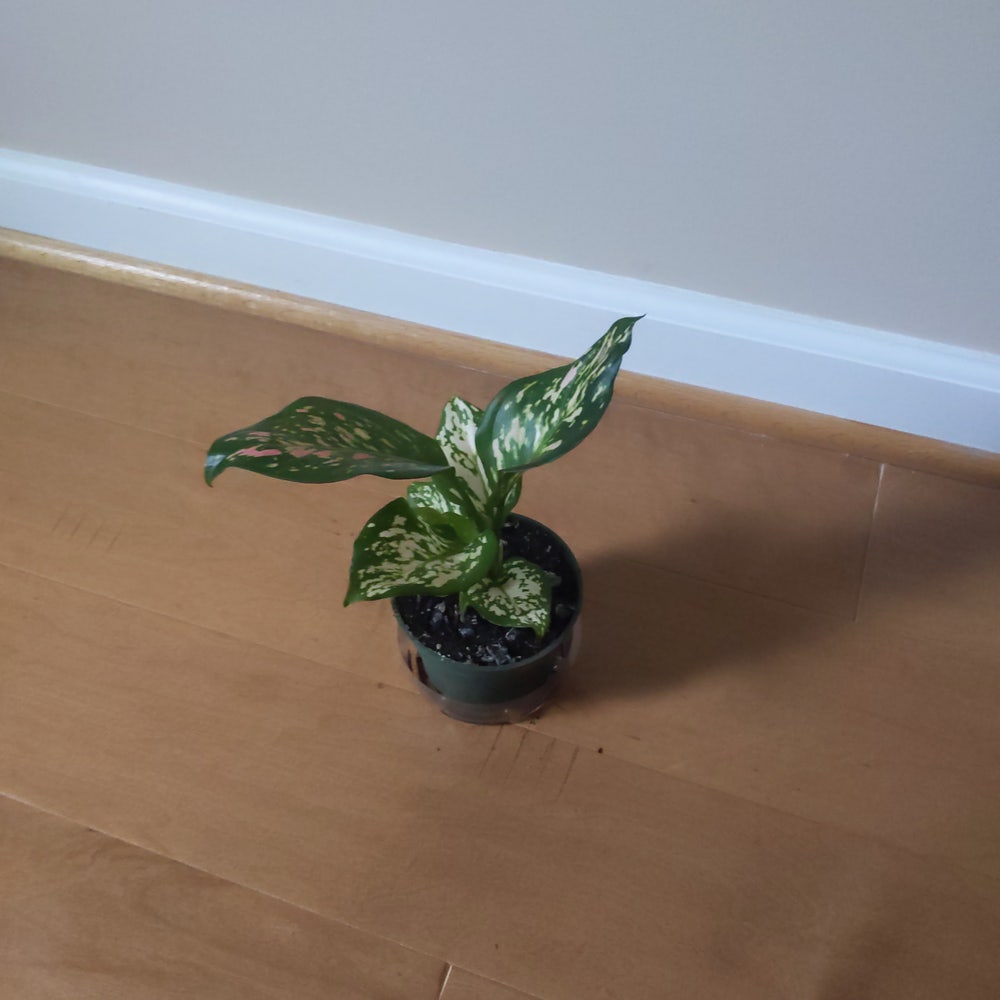
🌸 7 Facts About Pink Dalmatian Aglaonema Lifecycle
Aglaonema 'Pink Dalmatian'
By the Greg Editorial Team
Sep 30, 2024•3 min read
This article was created with the help of AI so we can cover more plants for you. May contain errors. See one? Report it here.
- 🌱 Germination takes 2 to 4 weeks under optimal conditions for Pink Dalmatian Aglaonema.
- 🌞 Indirect light and moisture are crucial for healthy seedlings and growth stages.
- 🌿 Mature plants can exceed 2 feet and live over 10 years with proper care.
Lifecycle of Pink Dalmatian Aglaonema
🌱 Germination Stage
Duration of Germination
The germination period for Pink Dalmatian Aglaonema typically spans 2 to 4 weeks. Factors like temperature, moisture, and seed quality can influence how quickly the seeds sprout.
Conditions for Successful Germination
For optimal germination, maintain a temperature range of 70°F to 80°F (21°C to 27°C). Use a well-draining potting mix with a slightly acidic pH of 6.0 to 6.5, and ensure the seeds receive indirect light to prevent drying out.
🌿 Seedling Stage
Characteristics of Seedlings
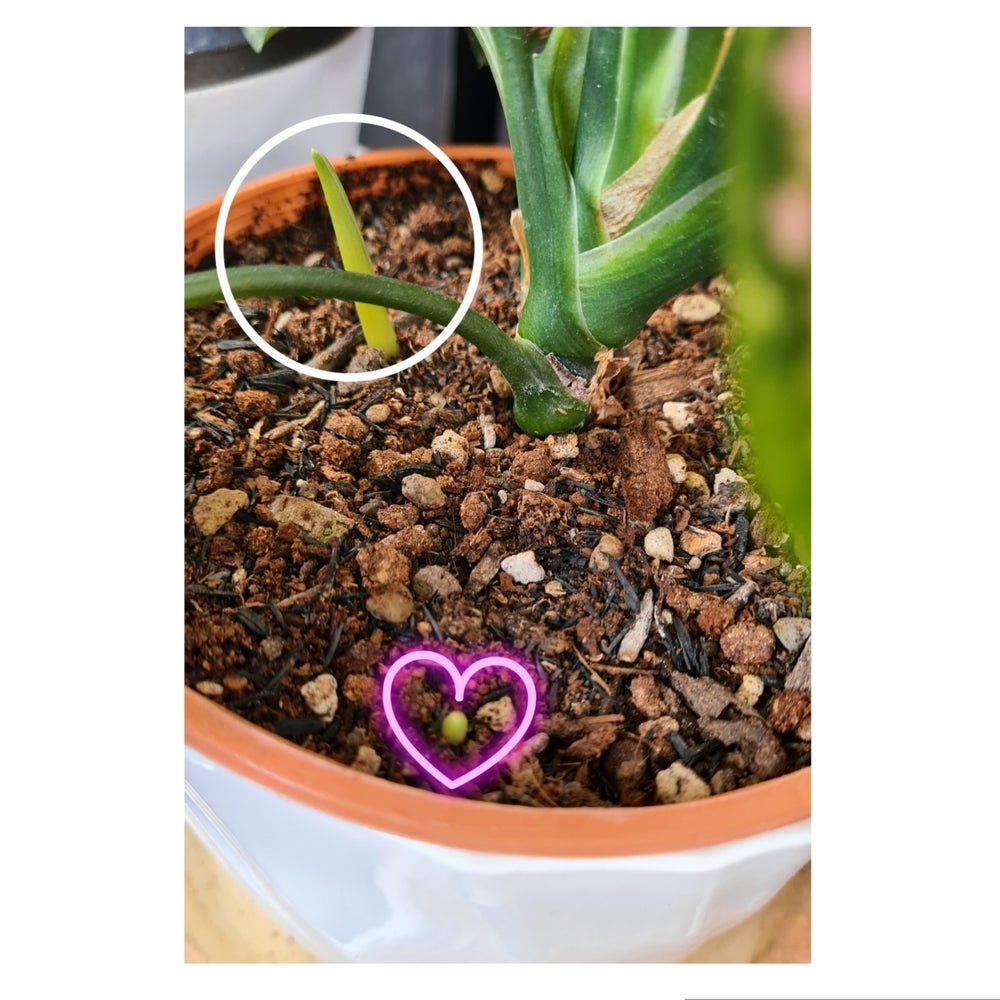
In the seedling stage, you'll notice small, simple leaves with minimal variegation. The growth habit is upright and compact, setting a solid foundation for future development.
Duration and Care During This Stage
This stage lasts about 4 to 8 weeks until true leaves develop. During this time, provide consistent moisture and indirect light to support healthy growth.
🌳 Vegetative Growth Stage
Growth Patterns and Changes
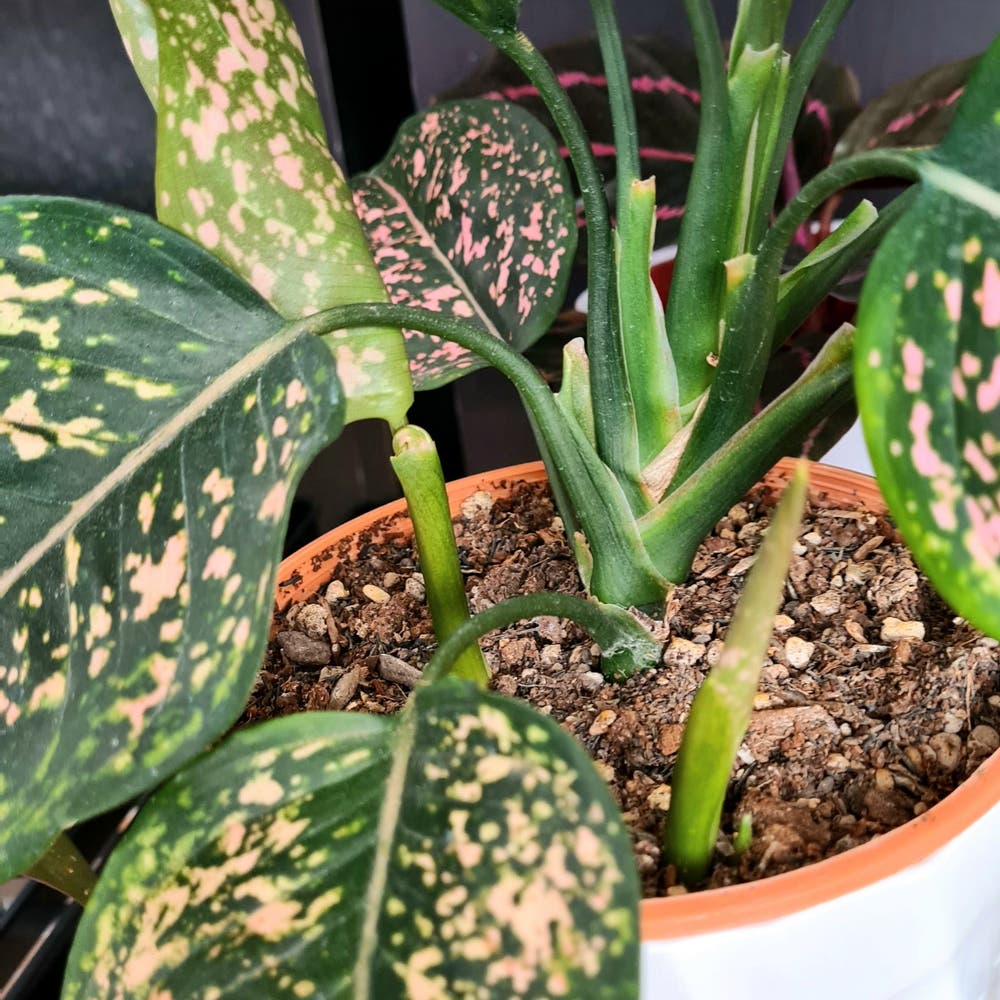
As the plant matures, larger, variegated leaves emerge, showcasing the plant's unique beauty. The growth habit shifts to increased height and spread, potentially reaching up to 2 feet.
Duration of Vegetative Growth
The vegetative growth stage typically lasts 6 months to several years, depending on environmental conditions and care practices.
🌸 Flowering and Seed Production Stage
Description of Flowering
Flowering features small, inconspicuous flowers that are usually white or cream. These blooms are rare indoors but more common in outdoor tropical settings.
Duration and Conditions for Flowering
Flowering can last several weeks, but it requires optimal light, humidity, and nutrient levels to thrive.
Process of Seed Production
Pollination typically involves cross-pollination, often facilitated by insects. After successful pollination, the plant produces berry-like structures containing seeds.
Duration and Viability of Seeds
From flowering to seed maturity takes about 2 to 3 months. Under proper storage conditions, seeds can remain viable for several years.
⏳ Growth Rate and Maturation
How Long Until Fully Grown?
It takes about 2 to 3 years for the Pink Dalmatian Aglaonema to reach its full height and foliage development. Factors like environmental conditions and care practices play a significant role in this timeframe.
Factors Affecting Growth Rate
Optimal indirect light promotes faster growth, while consistent moisture without waterlogging is crucial. Balanced fertilization during the growing season also enhances growth.
Average Lifespan
With proper care, the typical lifespan of this plant is 10 years or more. Longevity is influenced by environmental conditions, pest management, and overall health.
🌈 Notable Changes Throughout Lifecycle
Visual Changes in Foliage
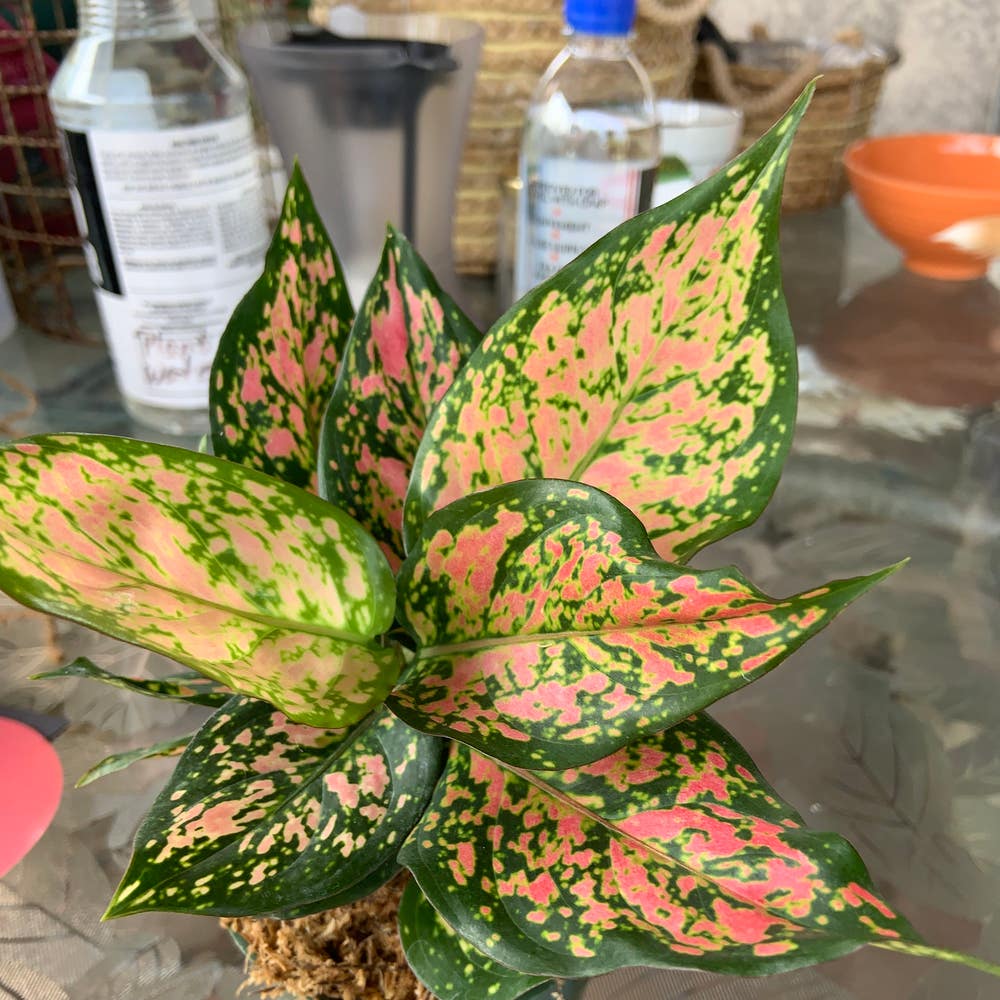
As the plant matures, it transitions from simple leaves to mature, variegated ones. You'll also notice an increase in color intensity, showcasing more pink and green as it grows.
Changes in Plant Size and Structure
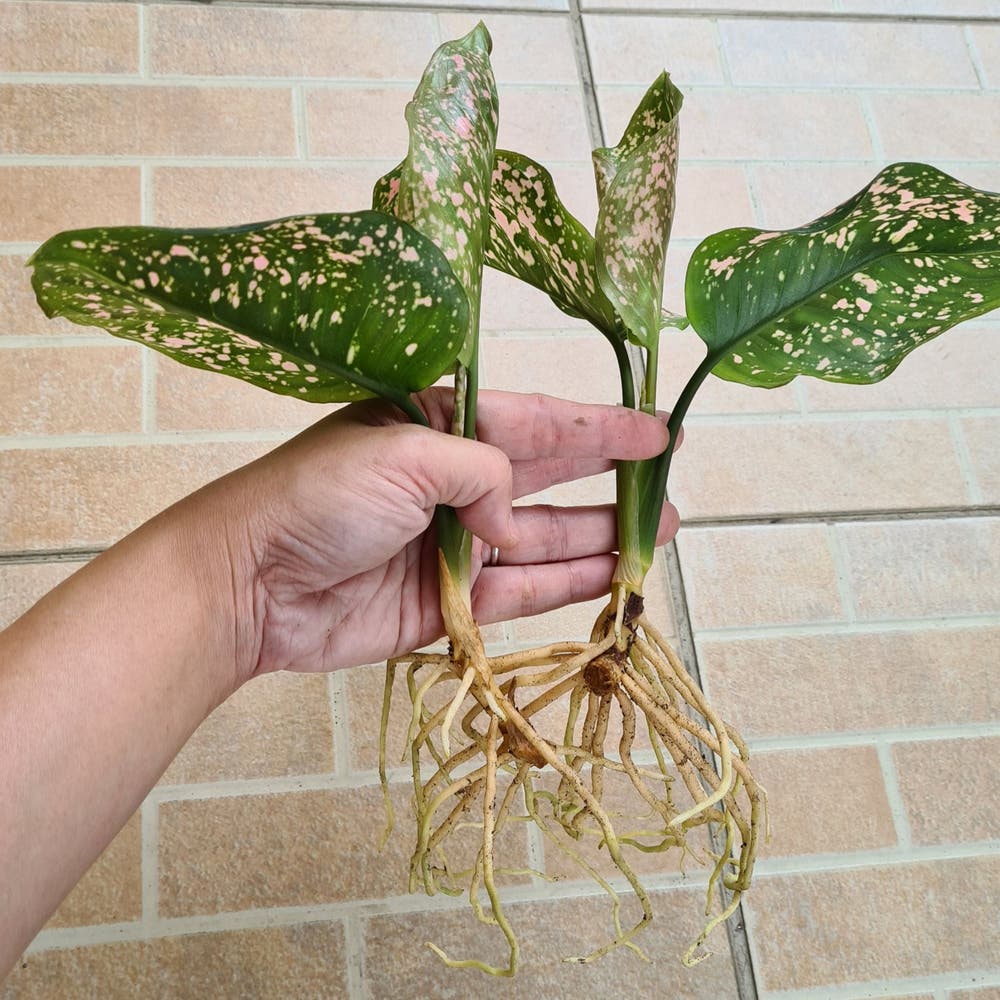
Initially compact, the plant can expand to a height of up to 2 feet. A robust root system develops to support the larger foliage.
Adaptations to Environmental Conditions
Leaves may change in size and thickness based on light availability. In lower light conditions, growth may slow, leading to potential dormancy during unfavorable seasons.
This lifecycle journey of the Pink Dalmatian Aglaonema is a testament to its resilience and beauty. Understanding these stages can help you nurture your plant effectively, ensuring it thrives for years to come.
⚠️ Safety First
This content is for general information and may contain errors, omissions, or outdated details. It is not medical, veterinary advice, or an endorsement of therapeutic claims.
Always consult a qualified healthcare professional before using any plant as food, medicine, or supplement.
Never eat any plant (or feed one to pets) without confirming its identity with at least two trusted sources.
If you suspect poisoning, call Poison Control (800) 222-1222, the Pet Poison Helpline (800) 213-6680, or your local emergency service immediately.
Spotted an error? Please report it here.
Unlock the secrets of your Pink Dalmatian Aglaonema's thriving journey 🌱 with Greg's personalized care reminders that guide you from germination to full bloom!