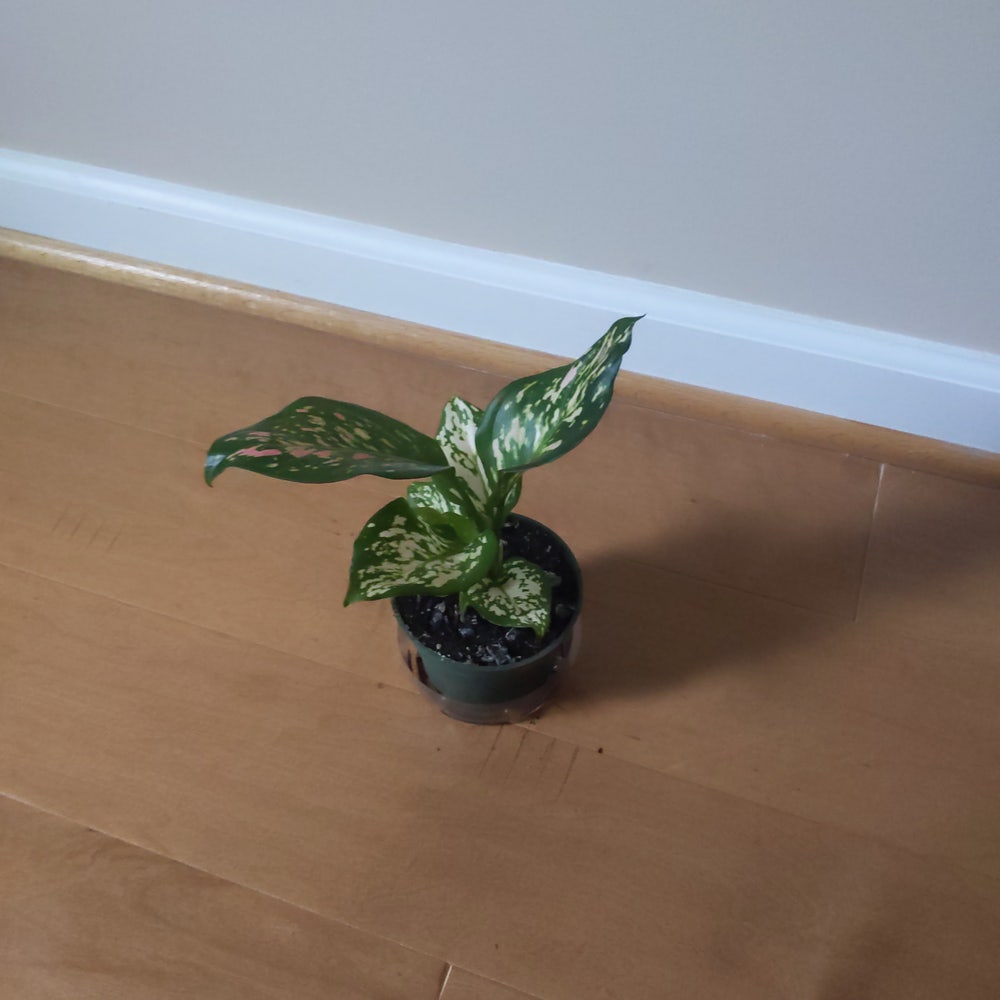
7 Quick Fixes for Pink Dalmatian Aglaonema Bloom Problems
Aglaonema 'Pink Dalmatian'
By the Greg Editorial Team
Sep 30, 2024•5 min read
This article was created with the help of AI so we can cover more plants for you. May contain errors. See one? Report it here.
- 🌞 Bright, indirect light is essential for Pink Dalmatian Aglaonema to bloom effectively.
- 💧 Consistent watering and nutrients like phosphorus boost blooming potential significantly.
- 🐛 Regular pest checks prevent damage and ensure vibrant flowers on your plant.
Failure to Bloom
🌞 Causes
Insufficient Light
Pink Dalmatian Aglaonema thrives in indirect light, which is crucial for blooming. If your plant isn't getting enough light, you might notice it stretching toward the window or producing fewer flowers.
Improper Watering
Watering issues can be a double-edged sword. Overwatering can drown roots, while underwatering can lead to dehydration, both of which hinder flowering.
Nutrient Deficiencies
Key nutrients like phosphorus and potassium are vital for blooming. Watch for signs such as yellowing leaves or stunted growth, which indicate your plant may be lacking essential nutrients.
💡 Solutions
Adjusting Light Exposure
To encourage blooming, position your Aglaonema in a spot with bright, indirect light. Consider moving it closer to a window or using sheer curtains to filter the sunlight.
Proper Watering Techniques
Maintain consistent moisture by checking the top inch of soil; it should be slightly dry before watering again. Ensure your pot has drainage holes to prevent water from pooling at the bottom.
Fertilization Tips
Use a balanced fertilizer specifically designed for Aglaonema during the growing season. Fertilize every 4-6 weeks to provide the nutrients needed for vibrant blooms.
By addressing these common issues, you can help your Pink Dalmatian Aglaonema flourish and bloom beautifully. Next, let’s explore what to do if your plant experiences premature flower drop.
Premature Flower Drop
🌪️ Causes
Environmental Stress
Environmental stress can significantly impact your Pink Dalmatian Aglaonema's ability to bloom. Factors like sudden temperature changes or drafts can lead to stress, causing premature flower drop.
Look for signs such as wilting leaves or discoloration. These symptoms indicate that your plant is struggling to adapt to its surroundings.
Overwatering
Overwatering is another common culprit behind premature flower drop. Symptoms include yellowing leaves and mushy stems, which signal that your plant's roots are drowning.
Proper drainage is crucial. Ensure your pot has holes and that excess water can escape.
Pest Infestations
Pests can wreak havoc on your flowering plants. Common offenders include spider mites and aphids, which can damage buds and flowers.
Signs of pest damage include webbing or tiny holes in leaves. Regular inspections can help catch these issues early.
🛠️ Solutions
Identifying Stress Factors
Start by monitoring your plant's environment. Check for temperature fluctuations and adjust your care practices accordingly.
Creating a stable environment can significantly reduce stress. Consider relocating your plant to a more suitable spot if needed.
Adjusting Watering Schedule
Establish a consistent watering routine. Best practices include checking the soil moisture before watering and allowing the top inch to dry out.
This approach helps prevent overwatering while ensuring your plant remains hydrated.
Pest Control Methods
Implement pest control strategies as soon as you notice signs of infestation. Organic options like neem oil can be effective, as well as chemical treatments if necessary.
Regular inspections and early intervention are key to maintaining healthy blooms. Stay proactive to keep your Pink Dalmatian Aglaonema thriving.
Transitioning to the next topic, understanding abnormal flower development can further enhance your care routine for this beautiful plant.
Abnormal Flower Development
🌱 Causes
Genetic Factors
Genetics play a crucial role in the flowering process of Pink Dalmatian Aglaonema. Selecting healthy plants from reputable sources can significantly improve your chances of vibrant blooms.
Nutrient Imbalances
Nutrient imbalances can hinder flower development. It's essential to identify any deficiencies and ensure balanced fertilization to support blooming.
Temperature Fluctuations
Pink Dalmatian Aglaonema thrives within a specific temperature range. Extreme temperature changes can adversely affect flowering, so maintaining a stable environment is key.
💡 Solutions
Ensuring Proper Fertilization
To promote flowering, focus on key nutrients like phosphorus and potassium. A recommended fertilization schedule can help maintain nutrient levels for optimal bloom cycles.
Maintaining Stable Temperatures
Creating a consistent environment is vital for healthy flowering. Regularly monitor temperature changes and adjust your plant's location if necessary to avoid extremes.
Selecting Healthy Plants
Choosing robust specimens is essential for better flowering potential. Healthy plants are more resilient and likely to produce beautiful blooms, so invest time in selecting the right ones.
By addressing these factors, you can enhance the blooming potential of your Pink Dalmatian Aglaonema. Next, let’s explore the impact of light on flowering.
Impact of Light on Flowering
Optimal Light Conditions 🌞
Indirect light is crucial for the blooming of Pink Dalmatian Aglaonema. This plant thrives when it receives bright, filtered light, which enhances its ability to produce vibrant flowers.
Signs of light deficiency include leggy growth and faded leaf colors. If your plant looks like it's stretching toward the light, it’s a clear indication that it needs more illumination.
Adjusting Light Exposure 🔄
Repositioning your plant can significantly improve its light exposure. Ideal spots include east-facing windows or areas with filtered sunlight to ensure your Aglaonema receives the right amount of light.
If natural light is insufficient, consider using grow lights. LED or fluorescent grow lights are excellent options, providing the spectrum needed for healthy growth and flowering.
By optimizing light conditions, you can help your Pink Dalmatian Aglaonema flourish and bloom beautifully. Next, let’s explore the nutritional needs essential for promoting those stunning flowers.
Nutritional Needs for Flowering
🌸 Essential Nutrients for Blooming
To encourage your Pink Dalmatian Aglaonema to bloom, focus on key nutrients like phosphorus and potassium. Phosphorus is crucial for flower development, while potassium helps strengthen the plant and improve overall health.
When selecting fertilizers, opt for balanced options that cater specifically to flowering plants. Look for formulations rich in phosphorus, such as a 10-30-20 NPK ratio, and apply them according to the manufacturer's instructions for best results.
⚠️ Signs of Nutrient Deficiency
Watch for symptoms that indicate nutrient deficiencies, as they can hinder blooming. Leaf discoloration, particularly yellowing or browning, often signals a lack of essential nutrients.
Stunted growth is another red flag. If your plant isn’t thriving, it might be time to reassess its nutritional intake and adjust your fertilization strategy accordingly.
By ensuring your Pink Dalmatian Aglaonema receives the right nutrients, you can foster a healthier plant that’s more likely to produce beautiful blooms. Next, let’s explore how light conditions impact flowering.
⚠️ Safety First
This content is for general information and may contain errors, omissions, or outdated details. It is not medical, veterinary advice, or an endorsement of therapeutic claims.
Always consult a qualified healthcare professional before using any plant as food, medicine, or supplement.
Never eat any plant (or feed one to pets) without confirming its identity with at least two trusted sources.
If you suspect poisoning, call Poison Control (800) 222-1222, the Pet Poison Helpline (800) 213-6680, or your local emergency service immediately.
Spotted an error? Please report it here.
Boost your Pink Dalmatian Aglaonema's blooms 🌺 by using Greg's tailored watering and nutrient reminders to keep your plant thriving and vibrant!