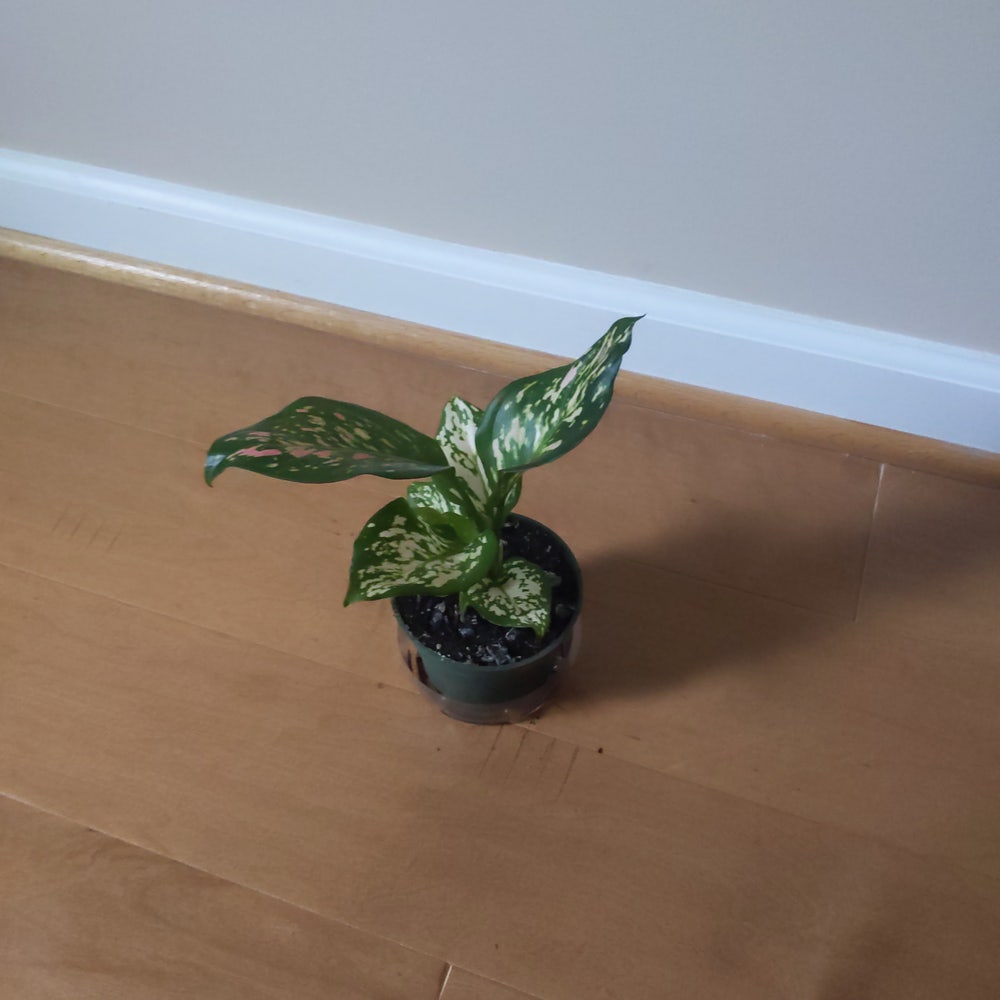
Ultimate Guide to Pink Dalmatian Aglaonema Roots 🐶🌸
Aglaonema 'Pink Dalmatian'
By the Greg Editorial Team
Sep 30, 2024•5 min read
This article was created with the help of AI so we can cover more plants for you. May contain errors. See one? Report it here.
- 🌱 Pink Dalmatian Aglaonema has shallow, extensive roots for effective nutrient uptake.
- 💧 Prevent root rot by allowing soil to dry out before watering.
- 🌿 Healthy roots are vital for propagation and overall plant vitality.
Root System Characteristics
🌱 Type of Root System
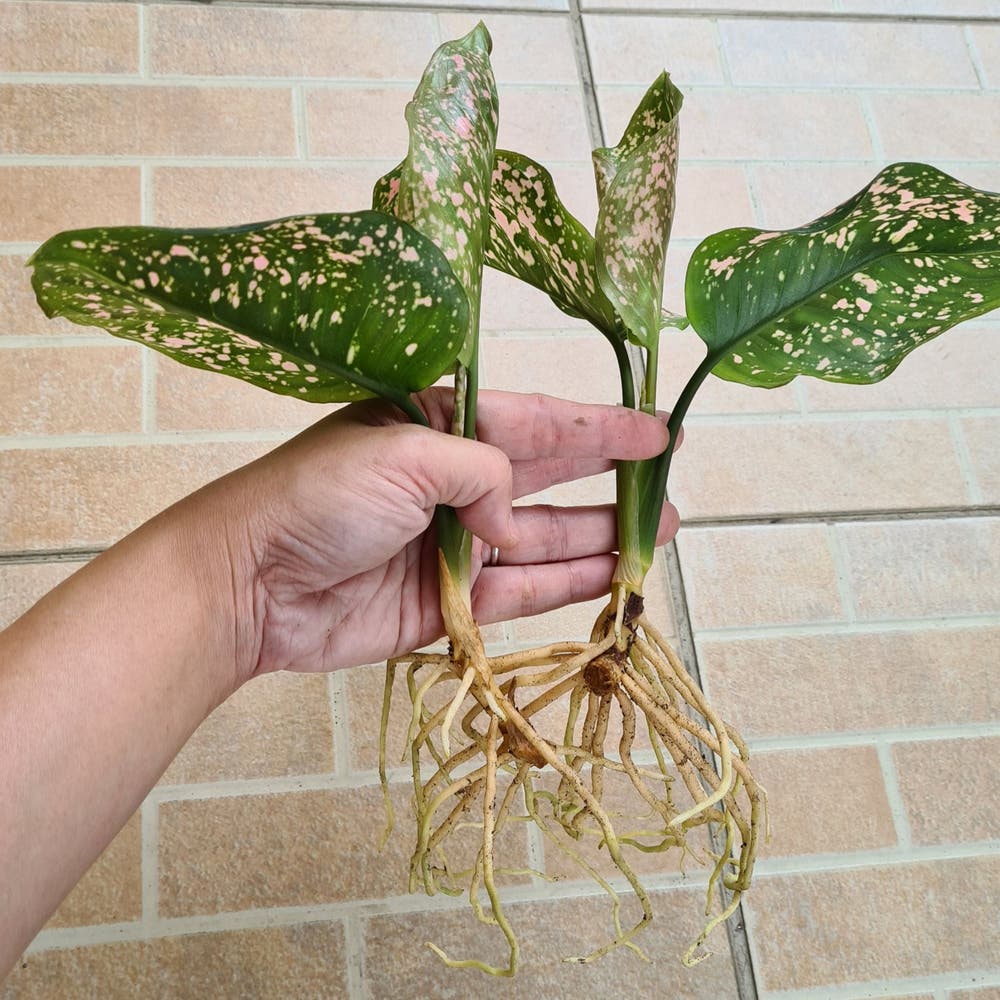
The Pink Dalmatian Aglaonema features a fibrous root system that is both shallow and extensive. This design not only supports the plant's stability but also enhances its ability to uptake nutrients efficiently.
📏 Root Depth and Spread
Typically, the roots extend to a depth of 6 to 12 inches. However, they can spread out to an impressive 2 feet in diameter, creating a dense and bushy network that aids in moisture retention.
Understanding these root characteristics is crucial for maintaining a healthy Pink Dalmatian Aglaonema. A well-developed root system is the foundation for a thriving plant, setting the stage for optimal growth and vitality.
Watering, Fertilizing, and Transplanting
💧 Watering Needs
Proper watering is crucial for the health of your Pink Dalmatian Aglaonema. Ensure you use well-draining soil to prevent overwatering, which can lead to root rot.
Water your plant every 1-2 weeks, adjusting based on humidity levels. In high humidity, you might find your plant needs less frequent watering.
🌱 Fertilization Techniques
Fertilizing your Aglaonema helps it thrive. Use balanced NPK formulas to provide essential nutrients.
Aim to fertilize monthly during the growing season. Dilute the fertilizer and distribute it evenly around the root zone for best results.
🌼 Transplanting Best Practices
Transplanting can rejuvenate your plant and promote growth. The ideal time for this is in spring or early summer when the plant is actively growing.
Follow these steps for successful transplanting:
- Prepare a new pot with fresh, well-draining soil.
- Gently remove the plant from its current pot.
- Inspect and trim any damaged roots.
- Place the plant in the new pot and fill with soil.
- Water thoroughly to help it settle.
Transplanting can be a bit tricky, but with care, your Pink Dalmatian Aglaonema will flourish in its new home.
Understanding these watering, fertilizing, and transplanting techniques will set you on the right path to nurturing a healthy plant. Next, let’s dive into common root-related issues that might arise.
Common Root-Related Issues
🕵️♂️ Identifying and Solving Problems
Root rot can be a sneaky issue for your Pink Dalmatian Aglaonema. Look out for wilting leaves, yellowing foliage, or a foul odor emanating from the soil—these are telltale signs that something is off.
The primary culprits behind root rot include overwatering, poor drainage, and compacted soil. If your plant is sitting in soggy conditions, it’s a recipe for disaster.
🛡️ Prevention Strategies
To keep your plant thriving, focus on proper watering techniques. Allow the top inch of soil to dry out before watering again, and always use well-draining soil to prevent water from pooling.
Implementing these strategies can save your plant from the brink of root rot. A little attention goes a long way in maintaining root health.
⚕️ Treatment Options
If you do encounter root rot, don’t panic. Start by gently removing the affected roots with clean scissors.
Next, repot your plant in fresh, well-draining soil. This will give your Pink Dalmatian Aglaonema a fighting chance to recover and flourish once more.
By staying vigilant and proactive, you can ensure your plant remains healthy and vibrant. Now, let’s dive into the visual cues that indicate root health.
Root Health Indicators
Visual Cues of Healthy vs. Unhealthy Roots 🌱
Healthy roots are a sight to behold. They typically appear white or light tan, showcasing a firm texture and a dense, well-distributed network.
In contrast, unhealthy roots tell a different story. Look for dark brown or black coloration, mushy textures, and sparse or absent root development, which signal that your plant may be in distress.
Understanding these visual cues is crucial for maintaining the vitality of your Pink Dalmatian Aglaonema. By regularly checking the roots, you can catch issues early and ensure your plant thrives.
Next, let’s explore how to recognize and address rootbound conditions, which can also impact root health significantly.
Recognizing and Addressing Rootbound Conditions
🌱 Understanding Rootbound
Rootbound conditions occur when a plant's roots circle around the pot, restricting their growth. This can lead to a host of problems, including nutrient deficiencies and stunted development.
🔍 Signs of Rootbound Plants
Identifying a rootbound plant is crucial for its health. Look for roots growing out of the drainage holes or a noticeable lack of growth despite proper care. These signs indicate that the roots are cramped and need more space.
🛠️ Solutions for Rootbound Issues
If you suspect your Pink Dalmatian Aglaonema is rootbound, there are effective solutions.
- Repotting: Move the plant into a larger container to give the roots room to expand.
- Root Pruning: If necessary, trim back any excessively long or damaged roots to encourage new growth.
Taking these steps can rejuvenate your plant, allowing it to thrive in its new environment.
💭 Final Thoughts
Addressing rootbound conditions promptly is essential for maintaining a healthy plant. By recognizing the signs and applying the right solutions, you can ensure your Pink Dalmatian Aglaonema continues to flourish.
Next, let’s explore the importance of root health in propagation.
Importance of Root Health in Propagation
Healthy roots are essential for the successful propagation of Pink Dalmatian Aglaonema. They not only support the plant's growth but also ensure that new plants thrive after division.
🌱 Step-by-Step Guide to Dividing
Choose a healthy parent plant. Look for one that shows vibrant leaves and robust growth.
Remove from pot and gently separate roots. Take care not to damage the root system during this process.
Cut between root clumps, ensuring each section has roots and leaves. This step is crucial for the survival of each new plant.
Replant in suitable soil and water thoroughly. Use a well-draining mix to promote healthy growth.
Monitor for signs of stress post-division. Keep an eye on your new plants for any wilting or discoloration.
By following these steps, you can successfully propagate your Pink Dalmatian Aglaonema, ensuring that each new plant has a strong foundation for growth. Understanding root health is key to nurturing these beautiful plants and expanding your collection.
⚠️ Safety First
This content is for general information and may contain errors, omissions, or outdated details. It is not medical, veterinary advice, or an endorsement of therapeutic claims.
Always consult a qualified healthcare professional before using any plant as food, medicine, or supplement.
Never eat any plant (or feed one to pets) without confirming its identity with at least two trusted sources.
If you suspect poisoning, call Poison Control (800) 222-1222, the Pet Poison Helpline (800) 213-6680, or your local emergency service immediately.
Spotted an error? Please report it here.
Nurture your Pink Dalmatian Aglaonema's root health 🌿 with Greg's tailored watering alerts and expert care tips, ensuring your plant thrives and flourishes!