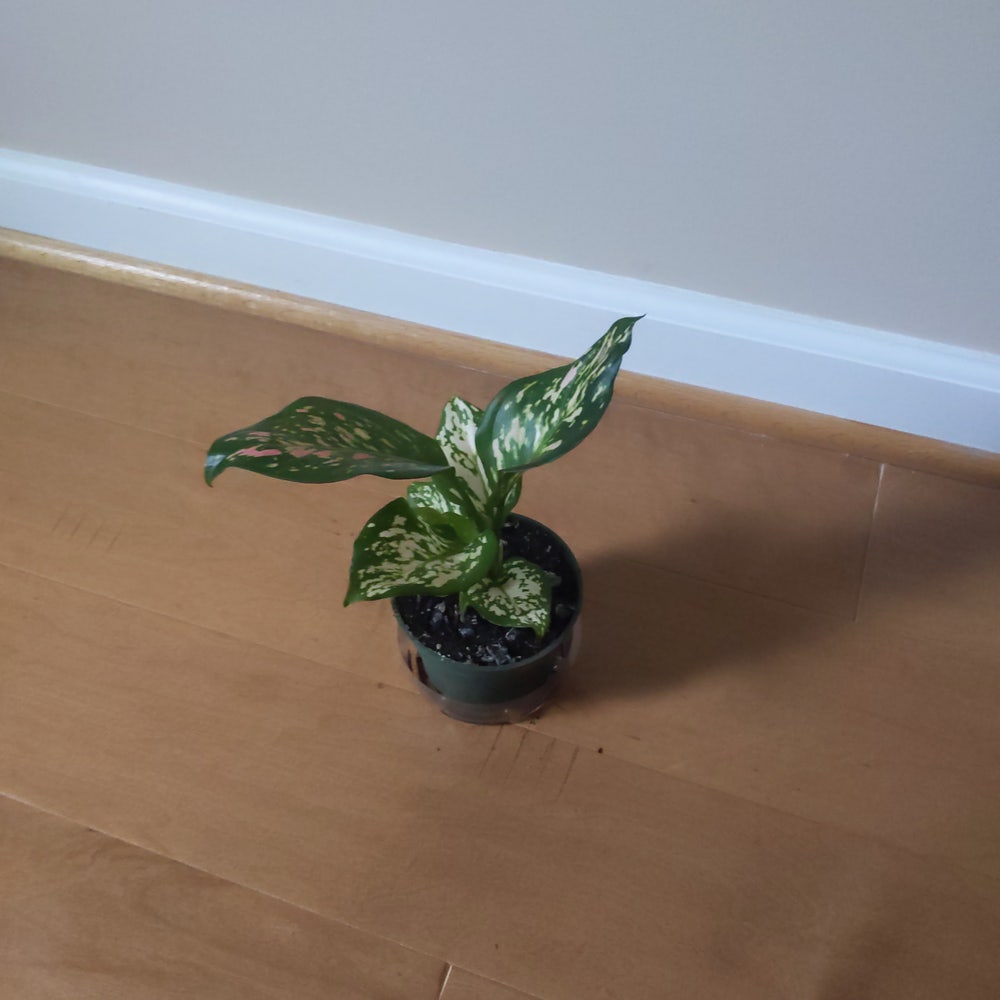
💧 How Much Humidity Does My Pink Dalmatian Aglaonema Need?
Aglaonema 'Pink Dalmatian'
By the Greg Editorial Team
Jun 18, 2024•3 min read
This article was created with the help of AI so we can cover more plants for you. May contain errors. See one? Report it here.
- 60-80% humidity ideal for Pink Dalmatian Aglaonema's health.
- 🌡️ Use a hygrometer to monitor and adjust your home's humidity.
- Signs like crispy edges indicate low humidity; adjust with humidifiers or pebble trays.
What's the Deal with Humidity for Your Pink Dalmatian Aglaonema?
🌧️ Why Humidity Matters
Humidity is like a silent partner in your Pink Dalmatian Aglaonema's life; it's always there, subtly influencing everything. Absolute humidity is the raw measure of water vapor, but it's the relative humidity—the percentage of water vapor in the air relative to the max it can hold at a certain temperature—that really plays into your plant's well-being.
🌡️ Knowing Your Home's Humidity
Grab a hygrometer to measure your home's humidity. It's a straightforward gadget that can prevent a lot of guesswork and plant stress. If your Aglaonema could talk, it would tell you when it's too dry or too moist, but since it can't, you'll need to be observant. Crispy leaf edges or a dull appearance? That's your plant crying out for a humidity boost.

The Sweet Spot: Ideal Humidity Levels for Pink Dalmatian Aglaonema
⛅️ Just Right: The Humidity Range Your Plant Loves
Your Pink Dalmatian Aglaonema isn't asking for a tropical rainforest in your living room, but it does crave that humid hug. Aim for a 60% to 80% relative humidity to keep those leaves perky. It's like setting the thermostat for your plant's personal comfort zone.
🏜️ When the Air's Too Dry
Watch for your Aglaonema's silent SOS—brown, crispy leaf edges. It's the plant's equivalent of chapped lips, telling you the air is drier than a stand-up comedian's wit. Don't let your verdant friend turn into a crunchy leaf pile.
🌊 When It's a Humidity Jungle
Too much moisture? You'll see it in the soggy, limp leaves or worse, the dreaded fungal invasion. Your plant's not auditioning for a role in a swamp scene; keep the air circulation crisp to avoid a moldy catastrophe.

Keeping Your Aglaonema Happy: Adjusting Humidity Levels
💦 Boosting the Moisture
Your Pink Dalmatian Aglaonema is a bit of a diva when it comes to air moisture. High humidity is its jam. To crank up the humidity, think beyond the spray bottle. Grouping plants together creates a microclimate that's like a mini rainforest—moisture central for your leafy friends.
Pebble trays are another classic move. Just fill a tray with stones, add water, and let your plant perch on top. The water evaporates, giving your Aglaonema a humidity hug. Just make sure it's not sitting in water; we're not looking for a swamp situation.
Consider a humidifier if you're serious about your plant's spa experience. It's a steady stream of moisture that keeps the air just right, and your Aglaonema will thank you with lush growth.
Bringing Humidity Down a Notch
Sometimes, it's less about the steam and more about the breeze. If you've got a jungle-level situation, dial it back. Air circulation is key—get a fan in there to move things around. It's not about creating a windstorm, just a gentle flow to keep condensation from throwing a party on your plant's leaves.
If your home is naturally on the sauna side, consider a dehumidifier. It's like a bouncer at the door, keeping excess moisture out. And remember, your Aglaonema's not a cactus; it likes its soil moist but not soggy. If you've been heavy-handed with the watering can, take a break. Let the soil dry out a bit between waterings.
Keep an eye on your plant for feedback. If it's thriving, you've nailed the humidity. If it's throwing a fit—droopy leaves, yellow tantrums—it's time to reassess. Your Aglaonema's comfort is non-negotiable, so stay vigilant and adjust as needed.

⚠️ Safety First
This content is for general information and may contain errors, omissions, or outdated details. It is not medical, veterinary advice, or an endorsement of therapeutic claims.
Always consult a qualified healthcare professional before using any plant as food, medicine, or supplement.
Never eat any plant (or feed one to pets) without confirming its identity with at least two trusted sources.
If you suspect poisoning, call Poison Control (800) 222-1222, the Pet Poison Helpline (800) 213-6680, or your local emergency service immediately.
Spotted an error? Please report it here.
Keep your Pink Dalmatian Aglaonema looking lush 🌱 with Greg's reminders to check and adjust humidity levels for that perfect 60-80% sweet spot.