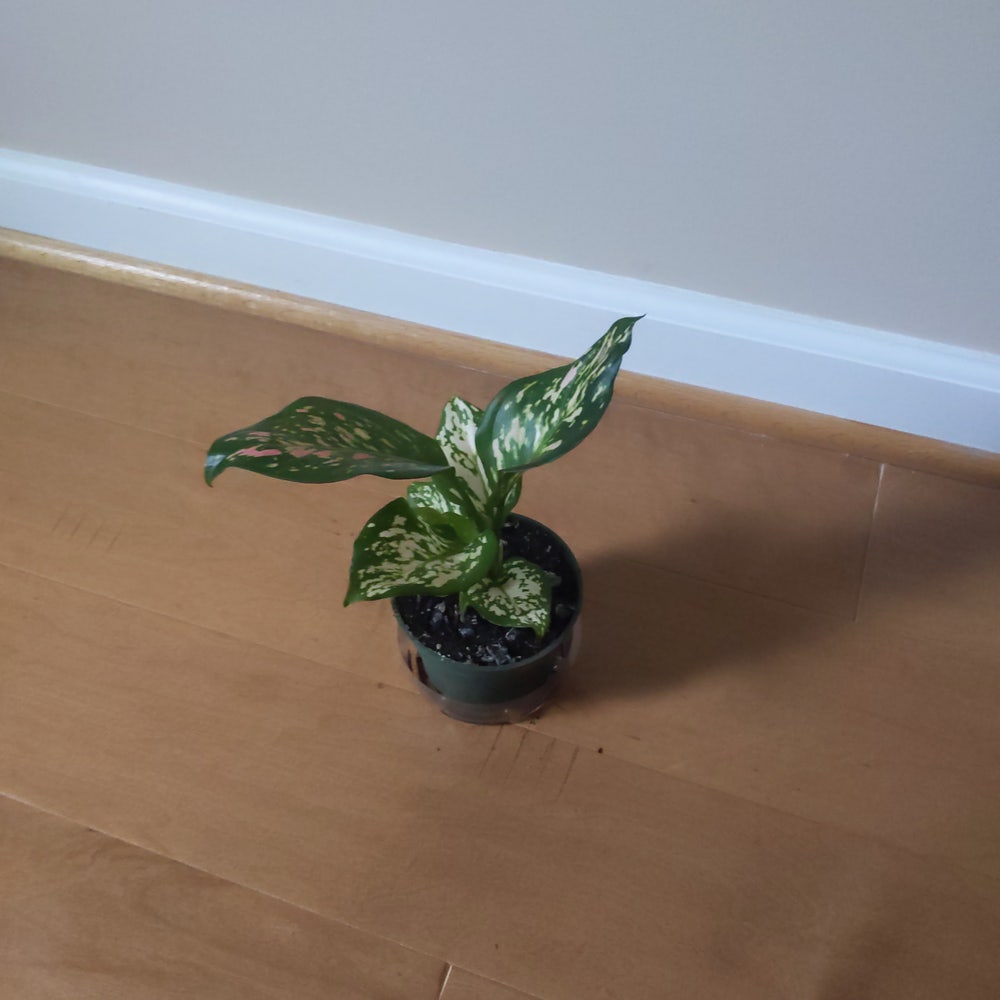
Why Is My Pink Dalmatian Aglaonema Dropping Leaves? 🐕🦺
Aglaonema 'Pink Dalmatian'
By the Greg Editorial Team
Jun 18, 2024•4 min read
This article was created with the help of AI so we can cover more plants for you. May contain errors. See one? Report it here.
- Yellowing or brown spots signal leaf distress; drooping warns of trouble.
- Balance water and light, maintain warm temperature and humidity for health.
- Consistent care and vigilance prevent leaf drop; adapt to seasonal changes.
Spot the Signs: When Your Aglaonema Starts Shedding
🚩 Leaf Changes to Look Out For
Yellowing leaves on your Pink Dalmatian Aglaonema can be the first red flag. It's like the plant's way of saying, "Hey, I'm not feeling too hot." Brown tips or spots? That's your cue to start playing detective. Leaf position changes are also telling; leaves that once reached for the sky might now droop down in despair. And if leaves are wilting or the whole plant seems to be slouching, it's definitely time to take action.
🌱 Assessing the Soil Situation
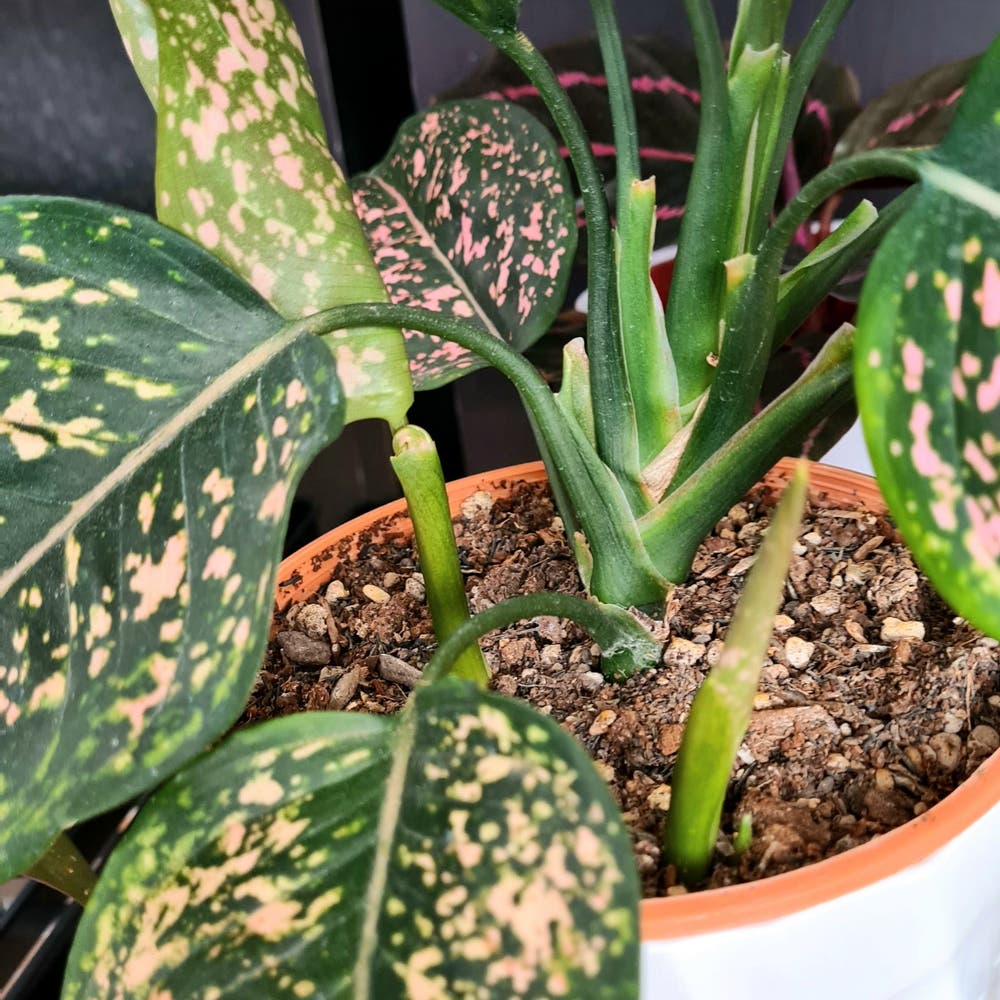
Soil should be your next stop on the troubleshooting train. Think of it as the plant's foundation—a bad one, and things start to crumble. If the soil is wetter than a rainforest floor, you're likely overdoing the H2O. Conversely, if it's drier than a comedian's wit, it's time to up the watering game. Soil texture also matters; too dense or too loose, and your Aglaonema might just wave the white flag.

The Usual Suspects: Pinpointing the Culprits Behind Leaf Drop
💧 Too Much or Too Little: Watering Woes
Watering is a balancing act. Your Pink Dalmatian Aglaonema craves consistency—too much water leads to soggy roots, while too little leaves the soil desert-dry. Check the soil before watering; it should be moist, not waterlogged or bone-dry.
🌞 Climate Culprits: Light, Temperature, and Humidity
Light is like a best friend to your Aglaonema; it needs just the right amount. Too intense and leaves burn, too dim and they languish. Aim for bright, indirect light. Temperature swings are a no-go; keep it steady and warm. Humidity is the secret sauce for lush leaves, so don't skimp on it.
🐜 Uninvited Guests: Pests and Diseases
Pests and diseases are the party crashers you didn't invite. Aphids, spider mites, and fungal infections can turn leaves into casualties. Spot them early, and you're on your way to saving your plant's lush foliage.

First Aid for Fallen Leaves: Immediate Actions to Take
🌱 Adjusting Care Routines
When your Pink Dalmatian Aglaonema starts shedding, it's crunch time. First, check the light; these plants crave brightness without direct scorch. If it's too dark, move your plant to a spot where it can bask in filtered light. Next, assess the watering. The soil should be moist, not waterlogged or bone dry. Adjust your watering schedule to ensure the soil is consistently damp but never soggy.
🐜 Pest Patrol and Disease Defense
Pests and diseases are like uninvited party crashers. If you spot any bugs or funky-looking leaves, it's time to get your hands dirty. Prune the affected foliage with sterilized shears to prevent the spread of disease. For pests, a neem oil solution can be a green thumb's best friend. Apply it as directed and watch those pests peace out. If you're up against a disease, a fungicide might be your weapon of choice. Just remember to follow the instructions like your plant's life depends on it—because it does.

Keeping Leaves Loyal: Long-Term Prevention Strategies
💪 Consistency is Key: Routine Care Tips
Consistency in your care routine is the backbone of leaf retention for your Pink Dalmatian Aglaonema. Establish a regular watering schedule, ensuring the soil is moist but not soggy. Feeding should be routine but not excessive; a balanced fertilizer during the growing season does the trick. Pruning is not just for looks; it's a health intervention. Snip off any yellow or damaged leaves to prevent stress on the plant.
👀 Vigilance and Adaptation
Stay vigilant. Your plant's leaves are like mood rings, changing color to reflect their state of being. If they're turning yellow, it's time to reassess your watering habits or check for drafts. Adapt your care with the seasons: less water in winter, a bit more humidity in the heat. And keep an eye out for pests – they're sneakier than a cat burglar and can wreak havoc if left unchecked. Remember, a healthy plant is a happy plant, and happy plants don't drop their leaves without a good reason.
⚠️ Safety First
This content is for general information and may contain errors, omissions, or outdated details. It is not medical, veterinary advice, or an endorsement of therapeutic claims.
Always consult a qualified healthcare professional before using any plant as food, medicine, or supplement.
Never eat any plant (or feed one to pets) without confirming its identity with at least two trusted sources.
If you suspect poisoning, call Poison Control (800) 222-1222, the Pet Poison Helpline (800) 213-6680, or your local emergency service immediately.
Spotted an error? Please report it here.
Keep your Pink Dalmatian Aglaonema leafy and lush 🌿 with Greg's personalized care plans that adapt to your plant's needs and prevent distress signals before they start.