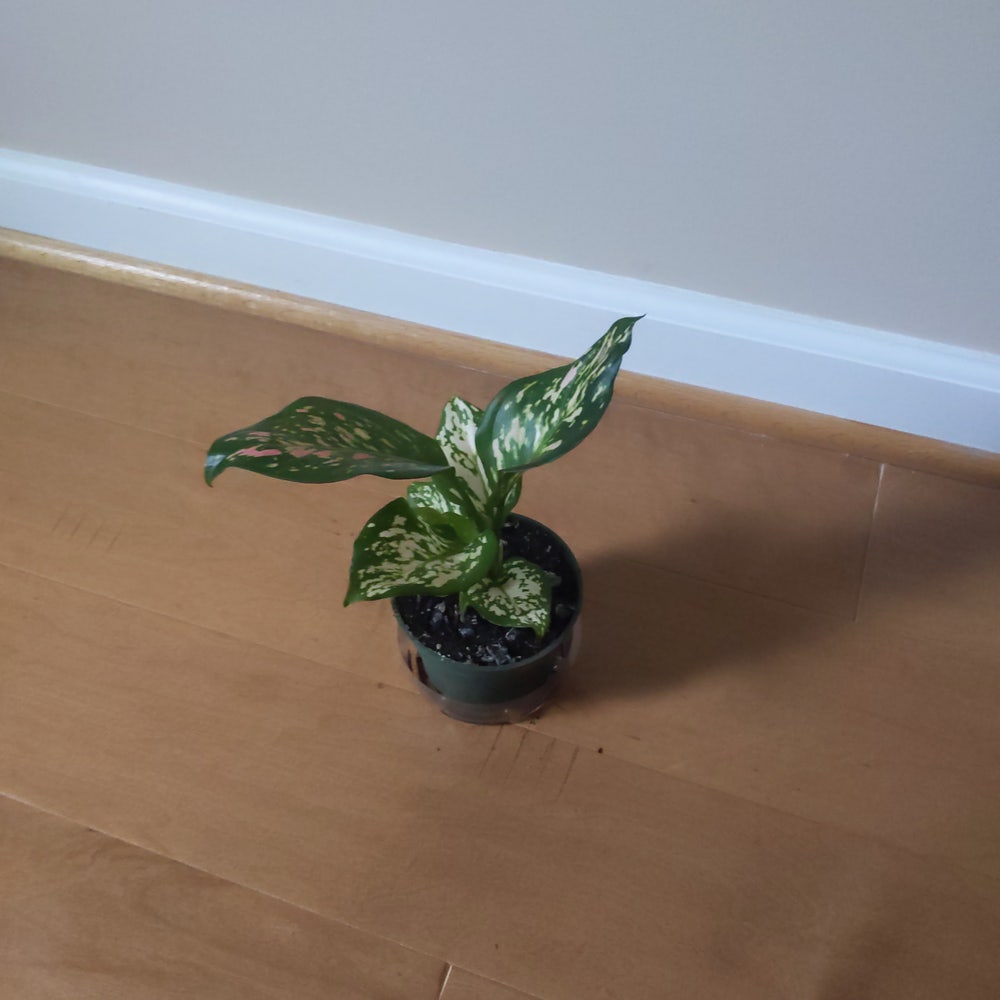
Top 3 Pot Features Your Pink Dalmatian Aglaonema Will Love ❤️
Aglaonema 'Pink Dalmatian'
By the Greg Editorial Team
Sep 30, 2024•6 min read
This article was created with the help of AI so we can cover more plants for you. May contain errors. See one? Report it here.
- 🌱 Pot size impacts growth: Use 4-6 inch pots for juveniles, 8-10 inches for adults.
- 🕵️♀️ Signs to repot: Look for roots out of drainage holes and yellowing leaves.
- 🏺 Choose wisely: Clay pots promote air circulation, while plastic retains moisture effectively.
Importance of Pot Size for Different Growth Stages
Juvenile Plants 🌱
For juvenile Pink Dalmatian Aglaonema, a pot size of 4-6 inches in diameter is ideal. This snug fit encourages root development, allowing the plant to grow between 6-12 inches tall.
Mature Plants 🌳
As your plant matures, it will need a larger pot, ideally 8-10 inches in diameter. This size provides the stability necessary for a plant that can reach up to 2 feet tall.
Overgrown Plants 🌿
When your Aglaonema becomes overgrown, it's time to upgrade to a pot that is 12 inches or larger. Signs of overgrowth include roots emerging from drainage holes and stunted growth, making timely repotting crucial to prevent root binding.
Understanding the right pot size at each growth stage is essential for your plant's health and vitality. Next, let’s explore the various pot materials that can enhance your plant care experience.
Pot Materials
🌱 Benefits of Clay Pots
Clay pots are a favorite among plant enthusiasts for several reasons. Their porosity allows for better air circulation and moisture evaporation, which is crucial for healthy root development.
The weight of clay pots provides stability, especially for taller plants like the Pink Dalmatian Aglaonema. Plus, their natural look adds a touch of elegance to any indoor decor.
🪴 Advantages of Plastic Pots
Plastic pots are a practical choice for many gardeners. They are lightweight, making it easy to move and reposition your plants as needed.
These pots also excel in moisture retention, helping to maintain humidity levels around the roots. With a variety of colors and designs available, plastic pots can fit any aesthetic.
⚖️ Comparison of Other Materials
Ceramic Pots
Ceramic pots are known for their attractive designs and ability to control humidity effectively. However, they tend to be heavier and can be more expensive than other options.
Metal Pots
Metal pots offer a modern and durable appearance, making them a stylish choice. On the downside, they provide poor insulation and can heat up quickly in sunlight, which may stress your plants.
Understanding the pros and cons of each pot material can help you make informed decisions for your Pink Dalmatian Aglaonema. Choosing the right pot not only enhances the plant's health but also elevates your living space.
Next, let’s explore the crucial aspect of drainage considerations to ensure your plant thrives.
Drainage Considerations
Importance of Drainage Holes 🌊
Drainage holes are crucial for preventing root rot, a common issue that can devastate your Pink Dalmatian Aglaonema. When excess water accumulates, it suffocates roots, leading to decay and ultimately, plant death.
The ideal size for drainage holes is about 1/4 inch. This size ensures optimal water flow while preventing soil from escaping.
How to Assess Drainage in Pots 🔍
To ensure your pot has adequate drainage, start with a visual inspection. Look for existing holes at the bottom; if they’re missing, your plant might be in trouble.
You can also perform a simple water test. Pour water into the pot and observe how quickly it drains. If it pools at the top, you may need to reconsider your pot choice.
Solutions for Pots Without Drainage Holes 🛠️
If your pot lacks drainage holes, don’t fret! One effective solution is to add a layer of gravel or stones at the bottom. This creates a barrier that helps excess water escape.
Alternatively, consider using self-watering pots with built-in reservoirs. These pots maintain moisture levels while preventing overwatering, making them a smart choice for busy plant parents.
With proper drainage, your Pink Dalmatian Aglaonema will thrive, setting the stage for a healthy, vibrant plant. Next, let’s explore the best practices for repotting your beloved greenery.
Repotting Guidelines
Signs That Your Plant Needs Repotting 🌱
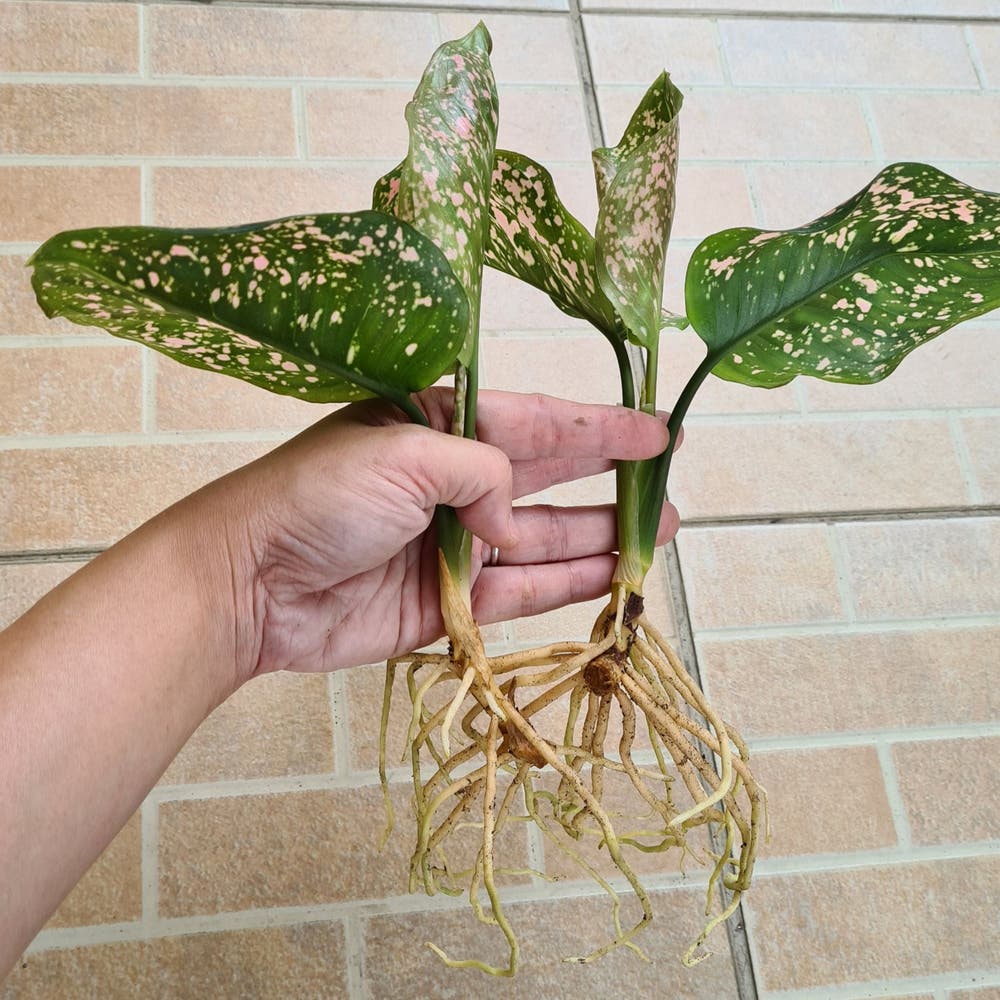
Recognizing when your Pink Dalmatian Aglaonema needs repotting is crucial for its health. Look for roots visible through drainage holes, which indicate it's time for a new home.
If the soil dries out too quickly or retains too much moisture, that's another red flag. Stunted growth or yellowing leaves can also signal that your plant is ready for a change.
Best Practices for Repotting 🛠️
When you're ready to repot, follow these best practices for a smooth transition:
- Choose a pot that is 1-2 inches larger in diameter than the current one.
- Gently remove the plant from its existing pot.
- Loosen any tightly bound roots to encourage growth.
- Place the plant in the new pot with fresh, well-draining soil.
- Water thoroughly after repotting to help settle the soil.
Timing for Repotting ⏰
Timing is everything when it comes to repotting. The best time to do this is in spring or early summer, during the plant's active growth phase.
Aim to repot every 1-2 years, or sooner if you notice signs of overgrowth. Keeping an eye on your plant's needs will ensure it thrives in its new environment.
With these guidelines, your Pink Dalmatian Aglaonema will flourish, setting the stage for the next topic: understanding how pot choice impacts plant health.
Impact of Pot Choice on Plant Health
🌧️ How Pot Choice Affects Moisture Levels
The material of your pot plays a crucial role in moisture retention. For instance, clay pots are porous, allowing moisture to evaporate, while plastic pots tend to hold moisture longer.
Monitoring moisture levels is essential based on the pot material you choose. If you’re using a clay pot, check more frequently to ensure your Pink Dalmatian Aglaonema isn’t drying out too quickly.
📏 Influence of Pot Size on Nutrient Availability
Pot size significantly impacts nutrient availability for your plant. Larger pots offer more soil volume, which means more nutrients for your plant to absorb.
Conversely, smaller pots can lead to nutrient depletion more quickly. If your plant is in a snug pot, be vigilant about replenishing nutrients to keep it thriving.
🌡️ Effects of Pot Material on Temperature Regulation
Different pot materials respond uniquely to temperature changes. Clay pots can help regulate temperature better than plastic, as they absorb heat during the day and release it at night.
Maintaining stable root temperatures is vital for optimal growth. Choose your pot wisely to ensure your Pink Dalmatian Aglaonema stays comfortable and healthy.
Understanding these factors will help you make informed decisions about pot choice, ultimately enhancing your plant's health and growth. Next, let’s dive into the essential considerations for drainage to keep your plant thriving.
⚠️ Safety First
This content is for general information and may contain errors, omissions, or outdated details. It is not medical, veterinary advice, or an endorsement of therapeutic claims.
Always consult a qualified healthcare professional before using any plant as food, medicine, or supplement.
Never eat any plant (or feed one to pets) without confirming its identity with at least two trusted sources.
If you suspect poisoning, call Poison Control (800) 222-1222, the Pet Poison Helpline (800) 213-6680, or your local emergency service immediately.
Spotted an error? Please report it here.
Keep your Pink Dalmatian Aglaonema thriving 🌿 by choosing the right pot with Greg's tailored care tips that ensure optimal size, material, and drainage for your plant's success!