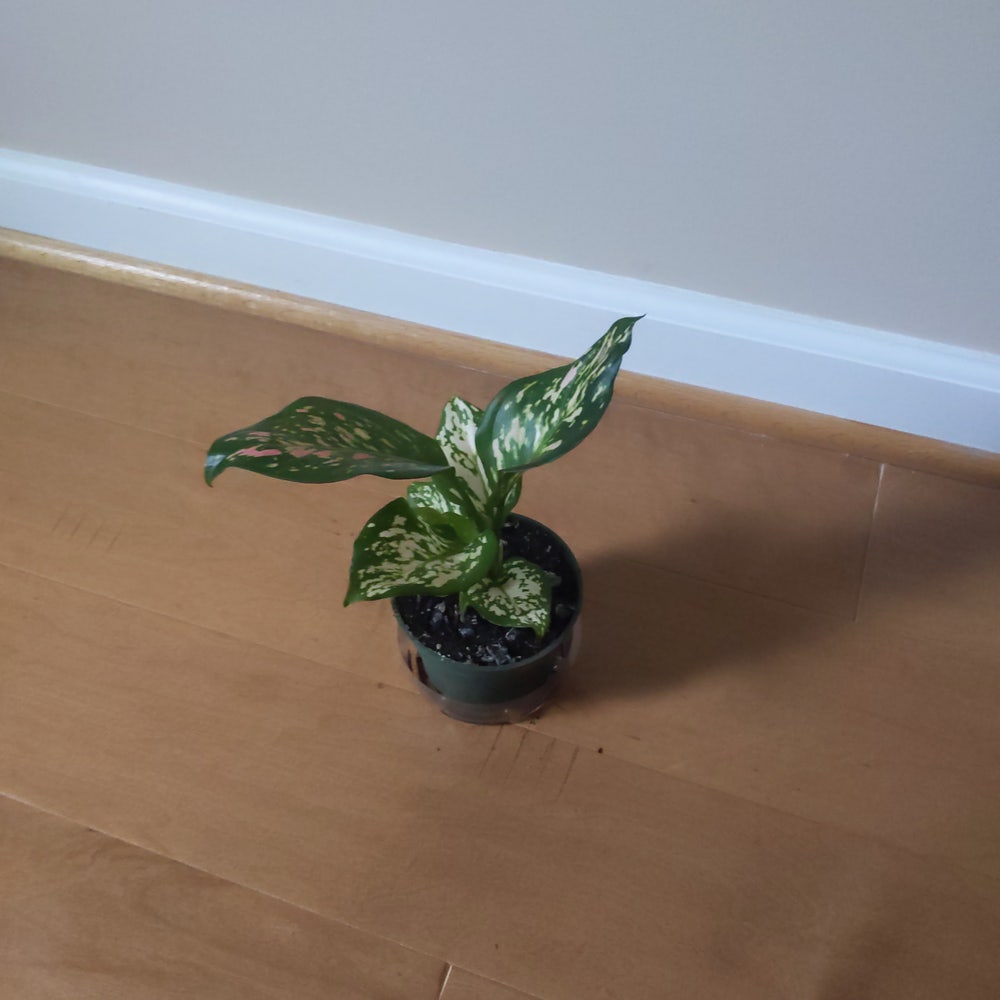
🌸 6 Essential Outdoor Pink Dalmatian Aglaonema Care Routines
Aglaonema 'Pink Dalmatian'
By the Greg Editorial Team
Sep 30, 2024•6 min read
This article was created with the help of AI so we can cover more plants for you. May contain errors. See one? Report it here.
- 🌞 Pink Dalmatian Aglaonema thrives in 4-6 hours of indirect sunlight; avoid direct sun.
- 💧 Water every 1-2 weeks; use a moisture meter for accuracy.
- 🌬️ Protect from extreme temperatures and harsh winds for optimal growth.
Sunlight and Location
Ideal Sunlight Conditions for Outdoor Growth 🌞
For your Pink Dalmatian Aglaonema to thrive outdoors, aim for full shade to partial shade. This means providing about 4-6 hours of indirect sunlight daily to keep those vibrant colors intact.
Direct sunlight is a no-go; it can lead to leaf burn and fading, robbing your plant of its stunning appearance.
Choosing the Right Location in Your Garden 🏡
When selecting a spot in your garden, consider proximity to structures that can shield your plant from harsh winds.
Look for areas with filtered light, like beneath trees or awnings, which can create a cozy environment for your Aglaonema.
Also, steer clear of low-lying areas that are prone to frost, as these can jeopardize your plant's health during colder months.
By choosing the right location, you set the stage for a flourishing outdoor display.
Watering and Soil Requirements
Watering Frequency and Techniques 🌊
Keeping your Pink Dalmatian Aglaonema happy starts with proper watering. Aim to keep the soil consistently moist but avoid sogginess.
Watering frequency can vary; generally, every 1-2 weeks works well, depending on rainfall and humidity levels.
To ensure you're hitting the mark, consider using a moisture meter. This handy tool helps you check soil moisture levels accurately.
When you do water, make sure to do it deeply. This encourages strong root growth, which is essential for a thriving plant.
Best Soil Types 🌱
Soil choice is crucial for your plant's health. Opt for a well-draining potting mix enriched with organic matter.
The ideal pH range for your soil should be between 6.0 and 7.0. This balance supports optimal nutrient uptake.
To enhance drainage, consider adding amendments like perlite or orchid bark. These materials help prevent waterlogging, ensuring your plant thrives.
With the right watering techniques and soil, your Pink Dalmatian Aglaonema will flourish beautifully. Next, let’s explore the best fertilization practices to keep your plant nourished year-round.
Fertilization Practices
🌱 Recommended Fertilizers and Application Methods
For your outdoor Pink Dalmatian Aglaonema, a balanced liquid fertilizer with an NPK ratio of 20-20-20 is ideal during the growing season. This ensures your plant receives the essential nutrients it needs to thrive.
Dilute the fertilizer to half strength before application. Aim to fertilize every 4-6 weeks to keep your plant healthy and vibrant.
📅 Timing for Fertilization Throughout the Year
Start fertilizing in spring as your plant begins to show signs of growth. This is the perfect time to give it a nutrient boost.
As fall approaches and growth slows, reduce or stop fertilization altogether. This helps your plant conserve energy during the cooler months.
With these fertilization practices, your Pink Dalmatian Aglaonema will flourish, setting the stage for a vibrant garden. Next, let’s explore the differences between container and ground planting to find the best fit for your gardening style.
Container vs. Ground Planting
🌱 Benefits of Container Planting
Container planting offers remarkable flexibility. You can easily move pots around to find the perfect spot for your Pink Dalmatian Aglaonema.
Controlling soil quality and moisture levels is simpler in containers. This method is especially beneficial for those with limited space or temporary setups.
🌍 Advantages of Planting in the Ground
Planting in the ground provides a natural growth environment. The soil typically offers better drainage, which is crucial for healthy root development.
Additionally, ground planting requires less frequent watering. The earth retains moisture, allowing your plants to thrive with minimal effort.
⚖️ Drawbacks of Each Method
Container planting has its limitations. The restricted root space can hinder growth, and you'll need to water and fertilize more often.
On the other hand, ground planting presents its own challenges. You have less control over soil conditions and pests, plus there's a risk of frost damage in colder climates.
Understanding these pros and cons will help you make an informed decision. Whether you choose containers or ground planting, each method has unique benefits that can enhance your gardening experience.
Protection from Weather and Pests
🌧️ Strategies for Weather Protection
Protecting your Pink Dalmatian Aglaonema from extreme temperatures is crucial for its health. During cold snaps, use frost cloths or blankets to shield your plants, ensuring they stay warm.
In contrast, during intense heat, providing shade cloth can help prevent leaf scorch. Always keep an eye on weather forecasts to make timely interventions.
🐞 Common Outdoor Pests and How to Manage Them
Outdoor pests can be a nuisance for your plants. Common culprits include aphids, spider mites, and mealybugs, which can quickly damage your Aglaonema.
To combat these pests, consider using insecticidal soap or neem oil for effective treatment. Regular inspections of your plants will help you catch any infestations early.
🚫 Disease Prevention Tips
Root rot is a common disease that can arise from overwatering and poor drainage. To prevent this, ensure your soil has proper drainage and avoid waterlogging.
Additionally, rotating planting locations can help prevent soil-borne diseases. This simple practice can make a significant difference in your plant's health.
With these protective measures in place, your Pink Dalmatian Aglaonema will thrive, ready to transition into the next phase of care.
Seasonal Care and Climate Considerations
🌦️ Seasonal Changes and Their Impact on Care Routines
Adjusting your care routine based on the seasons is crucial for the health of your Pink Dalmatian Aglaonema. In summer, increase watering to keep the soil consistently moist, while in winter, reduce it to prevent overwatering.
Pest monitoring should also ramp up during warmer months. Regular inspections can help catch any infestations early, ensuring your plants stay vibrant and healthy.
🌍 Special Considerations for Different Climate Zones
Understanding your climate zone is essential for successful outdoor growth. USDA zones 10-11 are ideal for Pink Dalmatian Aglaonema, providing the warmth and humidity they thrive on.
For those in cooler zones, container planting offers flexibility. This allows you to move plants indoors during cold snaps, protecting them from frost.
To adapt to varying climates, consider using mulch. It helps retain moisture and regulates soil temperature, creating a more stable environment for your plants.
Additionally, keep an eye on humidity levels. Adjust your watering schedule accordingly to ensure your Aglaonema receives the right amount of moisture year-round.
With these seasonal adjustments and climate considerations, your Pink Dalmatian Aglaonema will flourish beautifully. Next, let’s explore the importance of protection from weather and pests to ensure your plants remain healthy and vibrant.
⚠️ Safety First
This content is for general information and may contain errors, omissions, or outdated details. It is not medical, veterinary advice, or an endorsement of therapeutic claims.
Always consult a qualified healthcare professional before using any plant as food, medicine, or supplement.
Never eat any plant (or feed one to pets) without confirming its identity with at least two trusted sources.
If you suspect poisoning, call Poison Control (800) 222-1222, the Pet Poison Helpline (800) 213-6680, or your local emergency service immediately.
Spotted an error? Please report it here.
Keep your Pink Dalmatian Aglaonema thriving outdoors 🌿 with Greg's tailored watering alerts and moisture checks, ensuring it gets the perfect care it deserves!