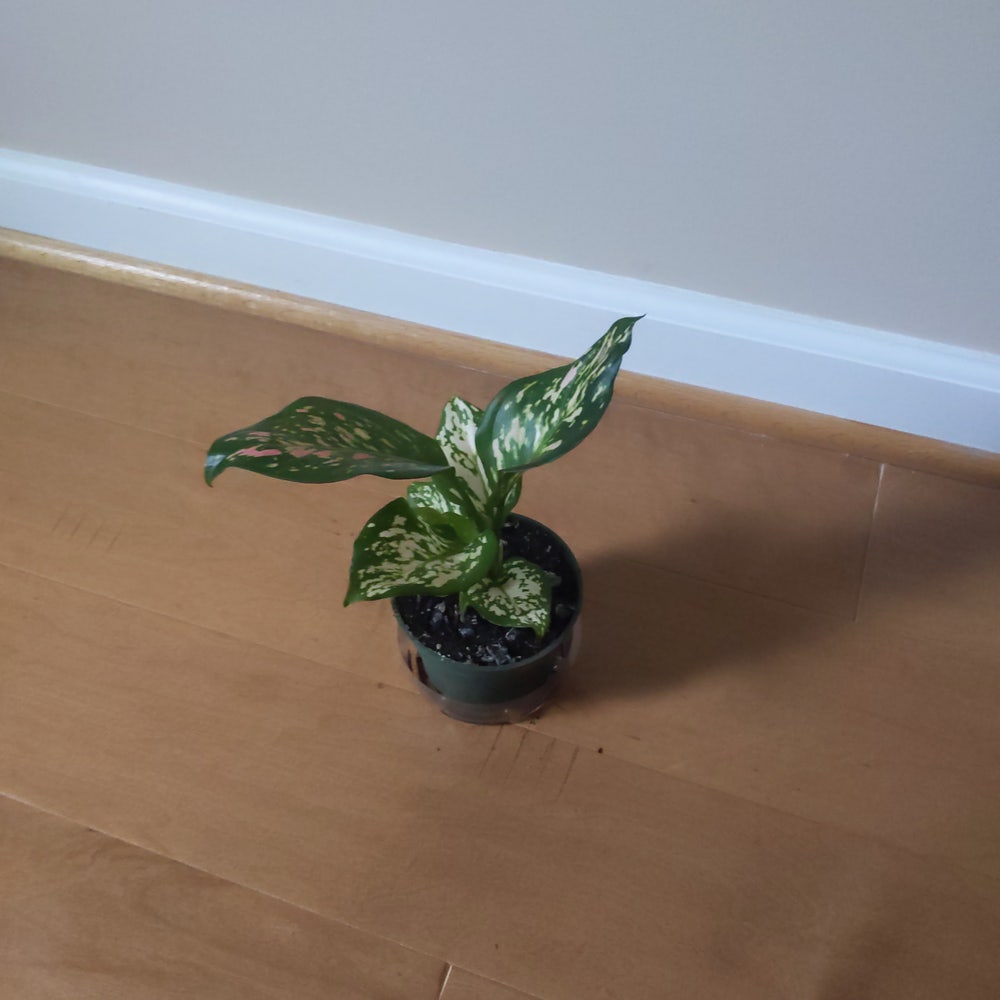
How Should Pink Dalmatian Aglaonema Be Cut Back?
Aglaonema 'Pink Dalmatian'
By the Greg Editorial Team
Jun 18, 2024•4 min read
This article was created with the help of AI so we can cover more plants for you. May contain errors. See one? Report it here.
- Spring pruning promotes robust growth, avoid dormant period cuts.
- Use sharp shears; sterilize for clean cuts, and prune above nodes.
- Post-prune care: balance watering and introduce half-strength fertilizer.
Timing Your Pruning Perfectly
🌱 Seasonal Considerations for Pruning
Spring is your plant's signal for a fresh start, making it the ideal season for pruning. This is when your Pink Dalmatian Aglaonema is most receptive to change, gearing up for a period of robust growth. On the flip side, avoid pruning during the dormant period, typically in the cooler months, to prevent stunting the plant's natural cycle.
Signs Your Aglaonema is Ready for a Trim
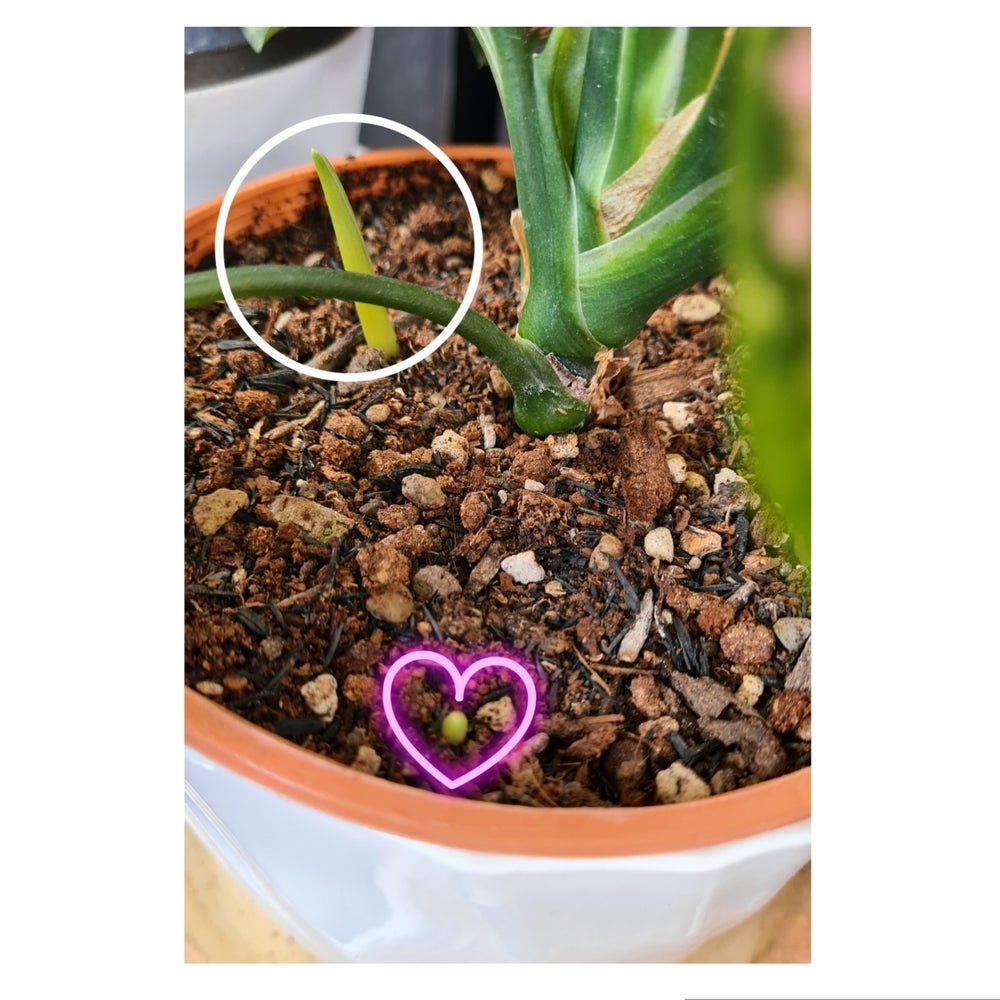
Keep an eye out for new growth or overgrown stems—these are your plant's way of nudging you towards the shears. When your Aglaonema starts to look more jungle than garden, it's time to intervene. Pruning isn't just about aesthetics; it's about encouraging a healthier, denser plant. So, when you spot leggy stems or leaves that have seen better days, it's time to get snipping.

Choosing Your Pruning Tools
🛠️ The Pruner's Toolkit
Selecting the right tools for pruning your Pink Dalmatian Aglaonema is like choosing a paintbrush for a masterpiece. For most, a simple pair of sharp pruning shears will do the trick. These are ideal for making clean cuts on the plant's stems. If you're dealing with particularly thin or delicate stems, consider precision snips or micro-tip scissors to avoid unnecessary damage.
🔪 Keeping Your Tools in Tip-Top Shape
Maintenance is key. Your tools should be as clean as your kitchen counter and as sharp as a sushi chef's knife. Before you start, sterilize your tools with rubbing alcohol or a bleach solution to prevent spreading diseases. After each use, give them a quick clean. Regularly sharpen the blades to ensure they make clean cuts every time. Remember, a well-maintained tool is a reflection of the care you have for your plants.

The Art of Pruning Pink Dalmatian Aglaonema
🌱 Where to Make the Cut
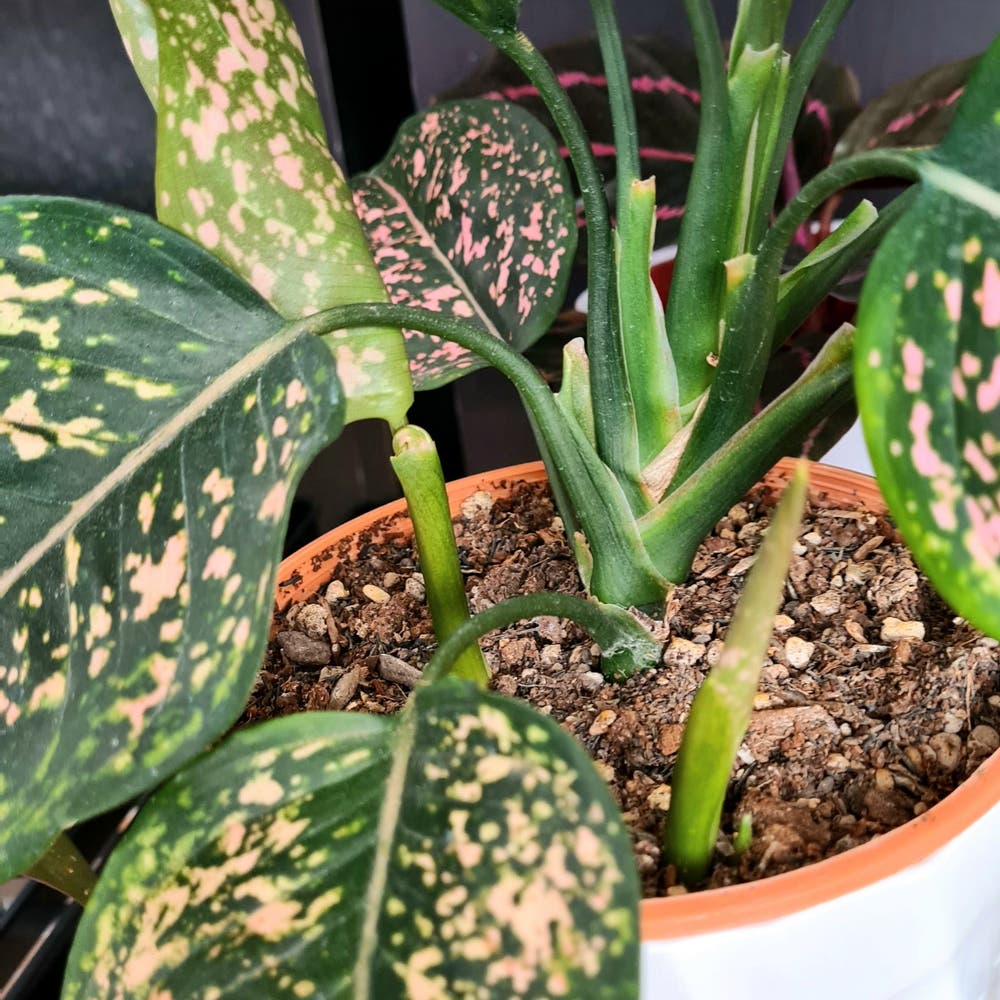
Pruning your Pink Dalmatian Aglaonema isn't rocket science, but it does require a keen eye. Look for the nodes—those little bumps on the stems where leaves and branches grow. Snip just above these points to encourage new growth. If you're removing a whole stem, cut as close to the soil line as possible without damaging the main plant.
🌿 Techniques for Shaping and Controlling Growth
To avoid a plant that resembles a bad hair day, pinch off the tips of new growth. This simple action promotes a bushier, fuller plant. If you're after a specific shape, be strategic with your cuts, always considering how each will affect the plant's overall form. Remember, it's like giving your plant a haircut, so aim for balance and symmetry.
🍃 Addressing Common Pruning Concerns
Leggy stems and yellowing leaves can make your Aglaonema look like it's seen better days. Cut back leggy growth to a healthy node to rejuvenate the plant. Yellow leaves? They're often a sign of overwatering or poor nutrition, so after removing them, reassess your care routine. And always use sharp, clean tools to prevent infection and ensure clean cuts.

After the Snip: Caring for Your Pruned Plant
💧 Watering and Feeding Post-Prune
After pruning your Pink Dalmatian Aglaonema, watering becomes a high-stakes game of balance. Hydrate the plant, but don't turn the pot into a swamp. Stick to your usual schedule, but let the topsoil dry out before going in with the watering can again.
Feeding your plant post-prune is like a carefully calibrated diet. Hold off on the fertilizer until new growth signals that your plant is ready for nutrients. Then, introduce a half-strength liquid fertilizer and maintain monthly feedings during the growing season.
🕵️ Monitoring for Stress and Disease
Post-prune, your plant is vulnerable, so play detective. Watch for signs of stress—yellowing leaves, drooping, or stunted growth. These are red flags that your plant is calling for help.
Cleanliness is your plant's best friend during this time. Clear away any fallen debris to prevent fungal parties at your plant's expense. And remember, sharp, sanitized tools were just the start; maintaining a clean environment is key to preventing disease.
Keep a close eye on your plant in the days following the prune. If you notice any signs of distress, adjust your care routine. It's like fine-tuning an instrument—sometimes all it takes is a small tweak to get back to harmony.
⚠️ Safety First
This content is for general information and may contain errors, omissions, or outdated details. It is not medical, veterinary advice, or an endorsement of therapeutic claims.
Always consult a qualified healthcare professional before using any plant as food, medicine, or supplement.
Never eat any plant (or feed one to pets) without confirming its identity with at least two trusted sources.
If you suspect poisoning, call Poison Control (800) 222-1222, the Pet Poison Helpline (800) 213-6680, or your local emergency service immediately.
Spotted an error? Please report it here.
Prune your Pink Dalmatian Aglaonema to perfection this spring 🌿 and count on Greg for tailored post-trim care reminders for a thriving plant.