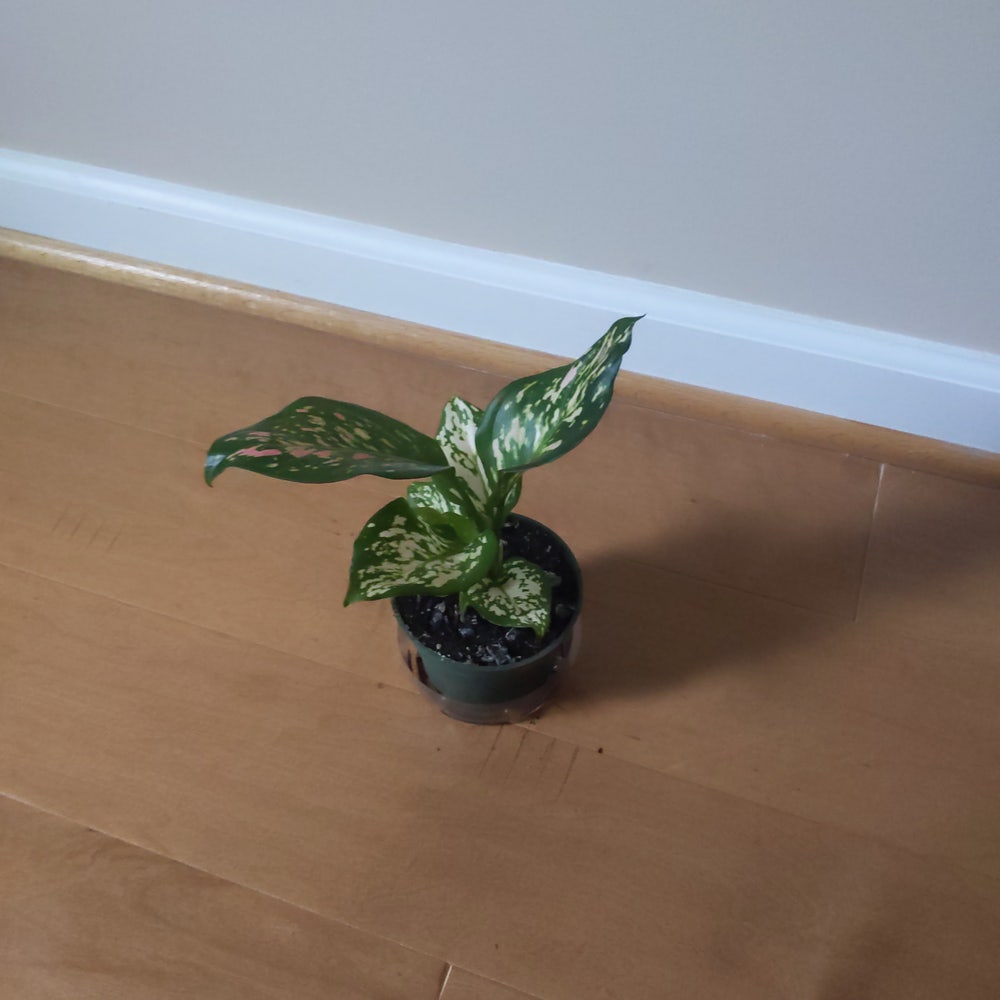
What Temperature Does My Pink Dalmatian Aglaonema Need?
Aglaonema 'Pink Dalmatian'
By the Greg Editorial Team
Jun 18, 2024•4 min read
This article was created with the help of AI so we can cover more plants for you. May contain errors. See one? Report it here.
- 🌡️ Ideal range 16°C to 32°C (60°F to 90°F) for Pink Dalmatian Aglaonema.
- Stability is key: avoid drafts and direct heat to maintain temperature.
- Monitor and adjust: use a thermometer and smart placement for a happy plant.
Dialing in the Perfect Temperature
Finding the ideal temperature for your Pink Dalmatian Aglaonema isn't rocket science. 16°C to 32°C (60°F to 90°F) is where it's at. Within this range, your plant will flourish, showing off its vibrant patterns without a hint of discomfort.
🌡️ Keeping it Consistent
Stability is your mantra when it comes to temperature. Avoid placing your Aglaonema near drafty windows or heating vents. These spots are notorious for causing the kind of temperature swings that make your plant's leaves quiver in fear.
Smart placement is key. Keep your plant in a location that avoids direct sunlight but still enjoys the ambient warmth of the room. Consider the area less than 3 feet from a window – close enough to bask in natural light without getting scorched.
Monitor the temperature with a simple thermometer placed near the plant. This isn't about the room's general feel; it's about creating a microclimate that your Aglaonema can call home.
Remember, if you're comfortable lounging in your space, chances are your Pink Dalmatian Aglaonema is too. Keep it simple, keep it stable, and your plant will thank you with its lush, tropical beauty.

When Your Plant Feels Under the Weather
In the life of a Pink Dalmatian Aglaonema, temperature stress is a real party pooper. Let's decode the plant's distress signals and get it back to its perky self.
🌡️ Recognizing the SOS signals
Wilting leaves? That's your Aglaonema's way of waving a white flag. If the leaves are more crispy than a fall leaf on a sidewalk, it's screaming for a break from the heat. Conversely, if your plant's growth is as sluggish as a Monday morning, it might be too cold. Keep an eye out for leaf discoloration—yellow leaves could be crying out about the heat, while brown spots or edges might be whispering tales of the cold.
🛠️ Troubleshooting Temperature Troubles
When your plant is hotter than a sidewalk in July, move it out of direct sunlight to a cooler, shaded area. If it's shivering more than you during a horror movie, consider giving it a warm spot away from drafts. Remember, your plant is not a fan of surprises; it craves stability like a cat craves a sunbeam.
🚨 Common scenarios and fixes
If your plant's leaves are dropping faster than your phone's battery life, it's time for a temperature intervention. Move it away from that radiator or cold window. If pests are throwing a rave on your plant, it's a sign it's too hot; relocate and watch the party disperse.
Quick touch on humidity
Humidity is like your plant's favorite moisturizer; it can't get enough of it. But too much, and you're in a soggy mess territory. Pebble trays or a humidifier can help you hit that sweet spot without turning your living room into a tropical rainforest. Just remember, like with any good skincare routine, consistency is key.

The Usual Suspects: What's Messing with Your Plant's Vibe?
In the quest for the perfect temperature for your Pink Dalmatian Aglaonema, certain elements play the role of the villain.
🌬️ Drafts, Sunburns, and Chills
Drafts are the silent assassins of stable temperatures. Your Aglaonema might as well be on a rollercoaster if placed near an often-used door or beside the air conditioner. It's a ride no plant signed up for.
☀️ Direct sunlight can be a double-edged sword. That cozy spot on your windowsill might seem like the perfect sunbathing spot, but too much direct light can leave your plant's leaves as crisp as autumn leaves.
Cold snaps are like uninvited guests at a party. They arrive without warning, leaving your plant shivering. Keep your Aglaonema away from windows that leak more air than a sieve or areas where the heat doesn't quite reach.
Heat sources such as radiators can turn your plant's cozy corner into a desert. It's not just about the heat; it's the Sahara-like dryness that comes with it.
To protect your plant from these temperature criminals, strategic placement is key. Avoid spots where drafts play tag or where the sun's rays are more intense than a spotlight. And remember, your heating vents might just be the most unassuming saboteurs in the room.

Keeping the Chill at Bay
In the quest to shield your Pink Dalmatian Aglaonema from the cold, insulation is key. Wrap those pots in bubble wrap or move them to a warmer spot indoors to fend off the cold shock.
🔥 Warmth Without the Worry
Safe heating solutions are your plant's winter allies. Consider a small space heater to maintain warmth, but keep it at a safe distance to prevent leaf scorch. Monitoring is crucial—use a thermometer to ensure your green friend isn't sweating bullets.
⚠️ Safety First
This content is for general information and may contain errors, omissions, or outdated details. It is not medical, veterinary advice, or an endorsement of therapeutic claims.
Always consult a qualified healthcare professional before using any plant as food, medicine, or supplement.
Never eat any plant (or feed one to pets) without confirming its identity with at least two trusted sources.
If you suspect poisoning, call Poison Control (800) 222-1222, the Pet Poison Helpline (800) 213-6680, or your local emergency service immediately.
Spotted an error? Please report it here.
Keep your Pink Dalmatian Aglaonema in its happy zone with custom care tips 🌡 from Greg, ensuring it stays snug within the ideal 16°C to 32°C range.