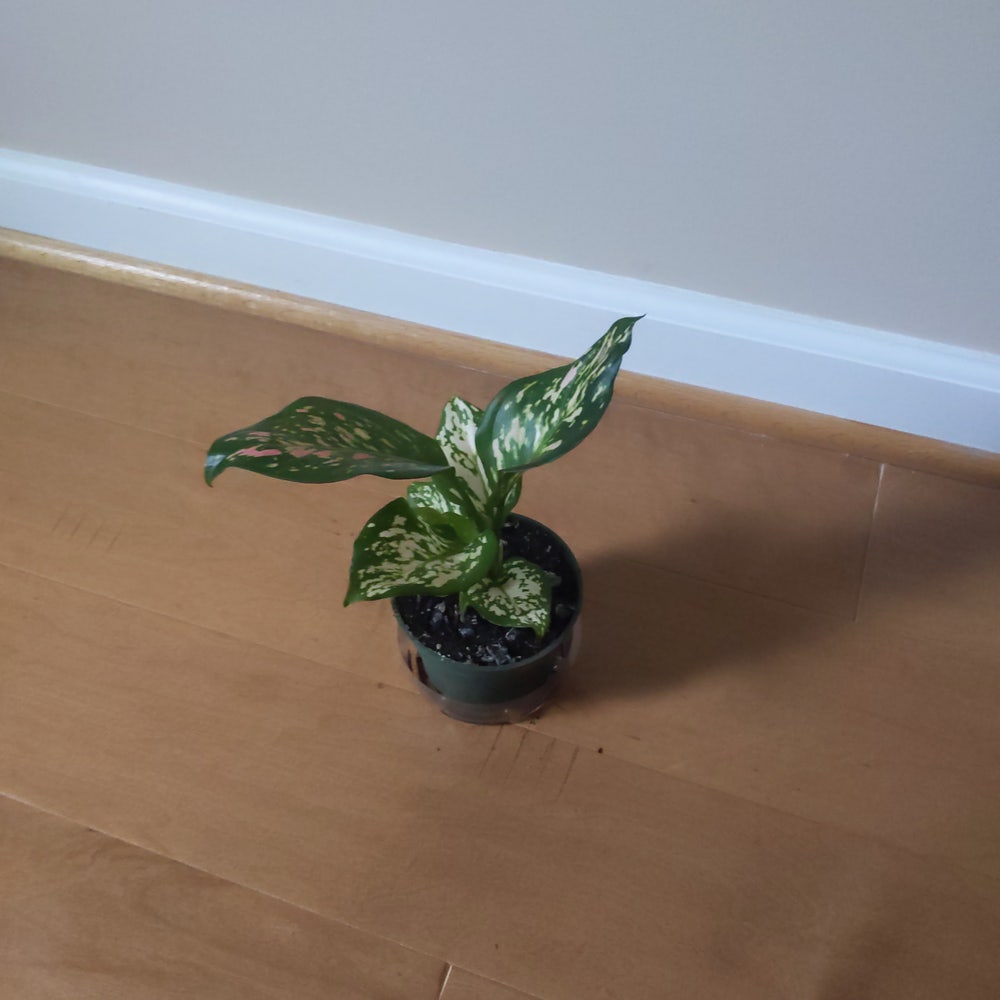
🐕 Why Are My Pink Dalmatian Aglaonema Leaves Falling Over?
Aglaonema 'Pink Dalmatian'
By the Greg Editorial Team
Jun 18, 2024•4 min read
This article was created with the help of AI so we can cover more plants for you. May contain errors. See one? Report it here.
- 🌧️ Overwatering causes root rot; adjust watering and drainage.
- 🌞🌱 Balance light and shade to prevent leaf discoloration and droopiness.
- 🌡️💧 Maintain 65-75°F and 40-60% humidity for healthy Pink Dalmatian Aglaonema.
When Overwatering Takes a Toll
🌊 Spotting the Signs of Overwatering
Soggy soil and limp stems are the hallmarks of overwatering. If your Pink Dalmatian Aglaonema's pot feels like a swamp, you've overdone it. Root rot symptoms include a mushy base and a stench reminiscent of last week's laundry—definitely not the perfume you want from your greenery.
🚑 Rescuing Your Plant from Too Much Water
First, adjust your watering routine. If the soil's still wet from last week's drink, skip the watering can. Proper drainage is non-negotiable; ensure your pot has holes to let excess water escape. If you're playing guessing games with watering, consider a moisture meter to nail that sweet spot.

The Thirsty Plant: Underwatering Woes
🏜️ Telltale Signs Your Aglaonema is Parched
When your Pink Dalmatian Aglaonema's leaves droop like a weary traveler, underwatering may be the culprit. The soil feels as dry as a bone, and the leaves, once lush, now sport brown tips and edges as if scorched by an unforgiving sun.
Quenching the Thirst
To revive your plant, establish a watering routine that hits the sweet spot—typically when the top inch of soil has dried out. Consider investing in a moisture meter; it's like a hydration whisperer for your Aglaonema, eliminating the guesswork and ensuring your plant gets just the right amount of water.

Light and Shadow: Balancing Act for Healthy Leaves
🌞 Too Much Sun or Not Enough?
Identifying light-related stress in your Pink Dalmatian Aglaonema is crucial. Leaves might display discoloration, curling, or droopiness when the light is off-kilter. Direct sunlight can act like a magnifying glass on an ant hill for your plant—lethal. Conversely, too much shade turns your vibrant Aglaonema into a lackluster shadow of itself.
🕶 Adjusting the Light for Optimal Growth
The ideal lighting conditions for Pink Dalmatian Aglaonema strike a balance between an overcast day and the bright, indirect light of a north-facing window. It's like giving your plant a pair of sunglasses—protection without the blackout. Rotate your plant regularly to avoid the botanical equivalent of a lopsided haircut.
💡 Tips for Gradual Light Acclimation
Start by placing your Aglaonema in a shaded area and incrementally introduce it to brighter spots. This prevents the shock and awe that comes with a sudden move from backstage to the spotlight. If you're using artificial lights, think of them as a softbox, not a strobe light. And remember, your plant's leaves are like solar panels; they need light, but they don't want to fry.

Keeping Cool: Temperature and Humidity Checks
🌡️ When the Heat is Too Much
High temperatures wreak havoc on Pink Dalmatian Aglaonema, causing leaves to lose their cool and flop over. It's a silent scream for help, as the heat pushes the plant out of its comfort zone.
Wilting leaves and discoloration are the plant's way of waving a white flag. If your Aglaonema's leaves are rolling up tighter than a yoga mat, it's trying to save every last drop of moisture. It's not being dramatic; it's genuinely struggling.
🌴 Maintaining a Tropical Atmosphere
The sweet spot for these tropical beauties is a consistent 65-75°F (18-24°C) with relative humidity levels of 40-60%. It's like setting up a mini rainforest in your living room, minus the monkeys and the monsoon.
Humidifiers and pebble trays are your go-to gadgets for keeping the air moist. It's like giving your plant a personal cloud to hang out in. And don't forget to mist the leaves; it's like a spa day, but for your plant.
Thermometers and hygrometers are your undercover agents, keeping you informed so you can adjust the environment before your plant starts throwing leaves overboard. Regular checks are better than being caught off-guard by a temperature tantrum.
Avoid placing your plant near drafty windows or heat sources. It's like inviting your plant to a bonfire—it's just going to get burned. Instead, keep it in a spot where the temperature is as steady as your love for greenery.
⚠️ Safety First
This content is for general information and may contain errors, omissions, or outdated details. It is not medical, veterinary advice, or an endorsement of therapeutic claims.
Always consult a qualified healthcare professional before using any plant as food, medicine, or supplement.
Never eat any plant (or feed one to pets) without confirming its identity with at least two trusted sources.
If you suspect poisoning, call Poison Control (800) 222-1222, the Pet Poison Helpline (800) 213-6680, or your local emergency service immediately.
Spotted an error? Please report it here.
Avoid the droop in your Pink Dalmatian Aglaonema by using Greg's personalized reminders 🌱 to perfect your plant's watering and environment, ensuring it stays perky and healthy!