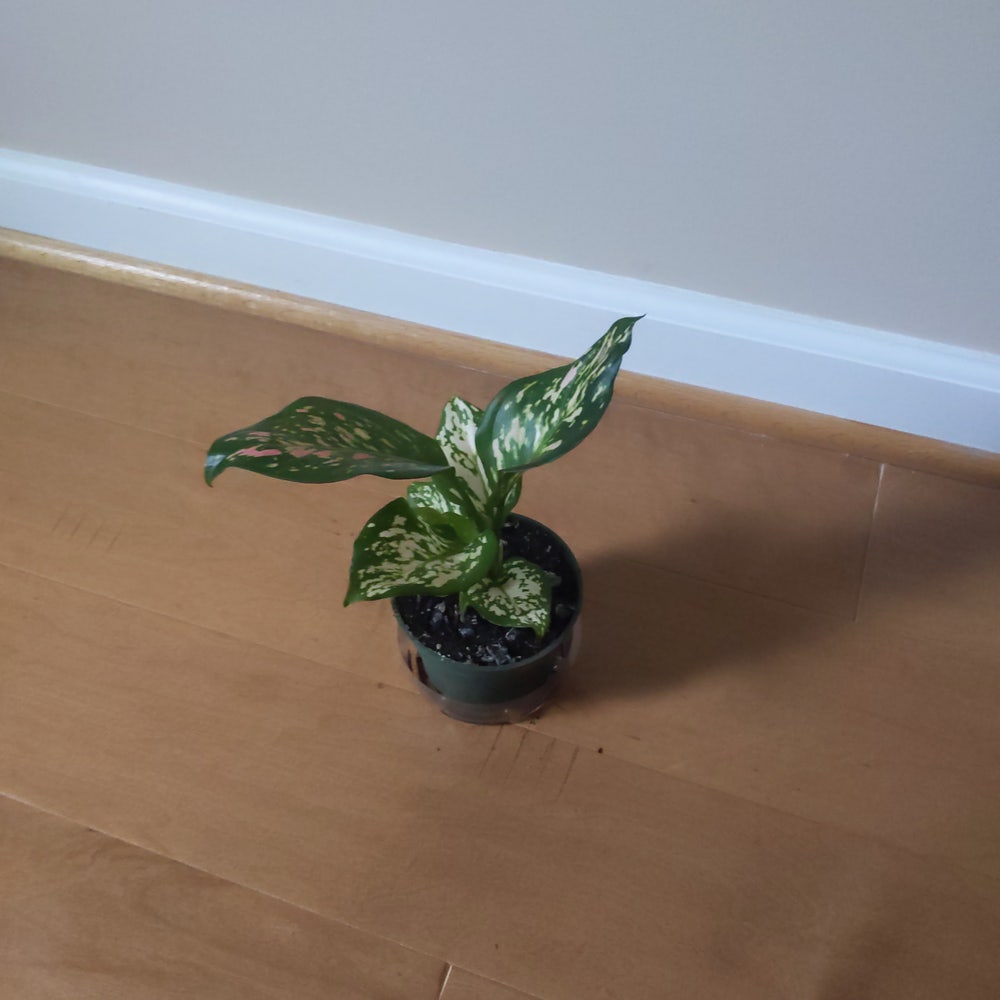
🐛 What To Do About Bugs on My Pink Dalmatian Aglaonema?
Aglaonema 'Pink Dalmatian'
By the Greg Editorial Team
Jun 18, 2024•4 min read
This article was created with the help of AI so we can cover more plants for you. May contain errors. See one? Report it here.
- 🐞 Identify and treat pests like spider mites, scale, and mealybugs with targeted methods.
- 🌱 Prevent infestations with regular inspections, clean environments, and controlled humidity.
- 🆘 Seek professional help if home remedies fail to control the pest problem.
Spot the Invaders: Identifying Common Pests
🕷️ Spider Mites
Webbing on your Pink Dalmatian Aglaonema's leaves is a dead giveaway—spider mites have made themselves at home. These tiny terrors can cause leaf damage that's not just unsightly but harmful to your plant.
To fight back, wipe down the leaves with a damp cloth or use a gentle water spray. For a more aggressive approach, neem oil or insecticidal soap should be your weapons of choice.
🛡️ Scale Insects
Scale insects are masters of disguise, appearing as unwanted bumps on stems and leaves. They might also leave a sticky residue, known as honeydew, which is a clear sign of their unwelcome presence.
Combat these armored pests by swiping them away with alcohol swabs or applying horticultural oil. Regular inspection is key to catching them early.
🦟 Fungus Gnats and Fruit Flies
If you're noticing flying frustrations around your plant, you're likely dealing with fungus gnats or fruit flies. These pests are notorious for their soil-based larvae and the annoyance their adult forms cause.
To establish ground control, use sticky traps and soil treatments. Letting the soil dry between waterings can also deter these pesky fliers.
🐛 Mealybugs
A cottony curse on your plant is a sure sign of mealybugs. These fluffy white pests leave behind a telltale cottony residue as they feed on your Aglaonema.
For a mealybug meltdown, isolate the plant and clean with alcohol-dipped swabs. Insecticidal soaps or neem oil can also be effective in sending these pests packing.
🦗 Aphids
Aphids are the new growth nibblers, often found feasting on the freshest parts of your plant. They can cause sticky leaves and stunted growth.
To achieve aphid annihilation, introduce beneficial insects like ladybugs or apply insecticidal soap. Vigilance is crucial to protect your Aglaonema from these sap-sucking pests.

Proactive Pest Prevention
🛡️ Keeping Your Guard Up: Routine Inspection Tips
Regular inspections are the backbone of pest prevention. Flip leaves, scrutinize stems, and dive into the soil. It's like a health check-up for your Pink Dalmatian Aglaonema. Consistency is key; make it part of your plant care ritual.
🏡 Creating an Unwelcoming Environment: Humidity and Cleanliness
Pests love a messy home. Keep the area clean, and remove any fallen leaves or debris. It's housekeeping, but for plant health. Humidity control is crucial; some pests thrive in a tropical paradise, so don't let your plant's environment become one.
💨 Airflow and Watering
Stagnant air and soggy soil are party invitations for pests. Run a fan to keep air moving and let the soil dry out between waterings. Overwatering is the root of all evil—literally.
🧼 Sanitation
Wipe down leaves with a damp cloth to remove dust and potential pest hideouts. Use sterile potting mix and clean pots to avoid giving pests a free home.
🚫 The Quarantine Protocol: Safeguarding Your Green Space
New plants are like strangers at a party—they need to be vetted. Quarantine them for at least two weeks. It's not plant prison; it's a precaution. Inspect them like a hawk for any signs of infestation. If you spot trouble, act fast—treat or, in the worst case, bid farewell to prevent a garden-wide epidemic.
📝 Record Keeping
Keep notes on pest activity. It's like gathering intel for future battles. Spotting patterns can help you anticipate and prevent future outbreaks.
✂️ Pruning and Maintenance
Prune regularly to remove dead or infected foliage and improve air circulation. It's like cutting off the enemy's supply lines before they can launch an attack.

When to Call for Backup: Seeking Professional Help
🐛 Recognizing when Home Remedies Aren't Enough
If your Pink Dalmatian Aglaonema is still a bug buffet after all your DIY efforts, it's time to wave the white flag. Yellow leaves, stunted growth, or a persistent pest party are clear distress signals. When your plant looks more like a prop from a zombie flick than a lush, vibrant being, professional intervention is needed.
🐜 Finding the Right Kind of Professional Pest Control for Your Aglaonema
Don't just Google 'bug busters' and call it a day. Seek out a licensed pest professional who knows their aphids from their elbow. Local gardening groups, university extension services, or a Master Gardener hotline can connect you with experts who have a track record of reviving wilting warriors. Remember, the right expert will not only treat the problem but also educate you on prevention.

⚠️ Safety First
This content is for general information and may contain errors, omissions, or outdated details. It is not medical, veterinary advice, or an endorsement of therapeutic claims.
Always consult a qualified healthcare professional before using any plant as food, medicine, or supplement.
Never eat any plant (or feed one to pets) without confirming its identity with at least two trusted sources.
If you suspect poisoning, call Poison Control (800) 222-1222, the Pet Poison Helpline (800) 213-6680, or your local emergency service immediately.
Spotted an error? Please report it here.
Empower your plant care routine to keep your Pink Dalmatian Aglaonema thriving 🌿 with Greg's personalized reminders and pest prevention tips.