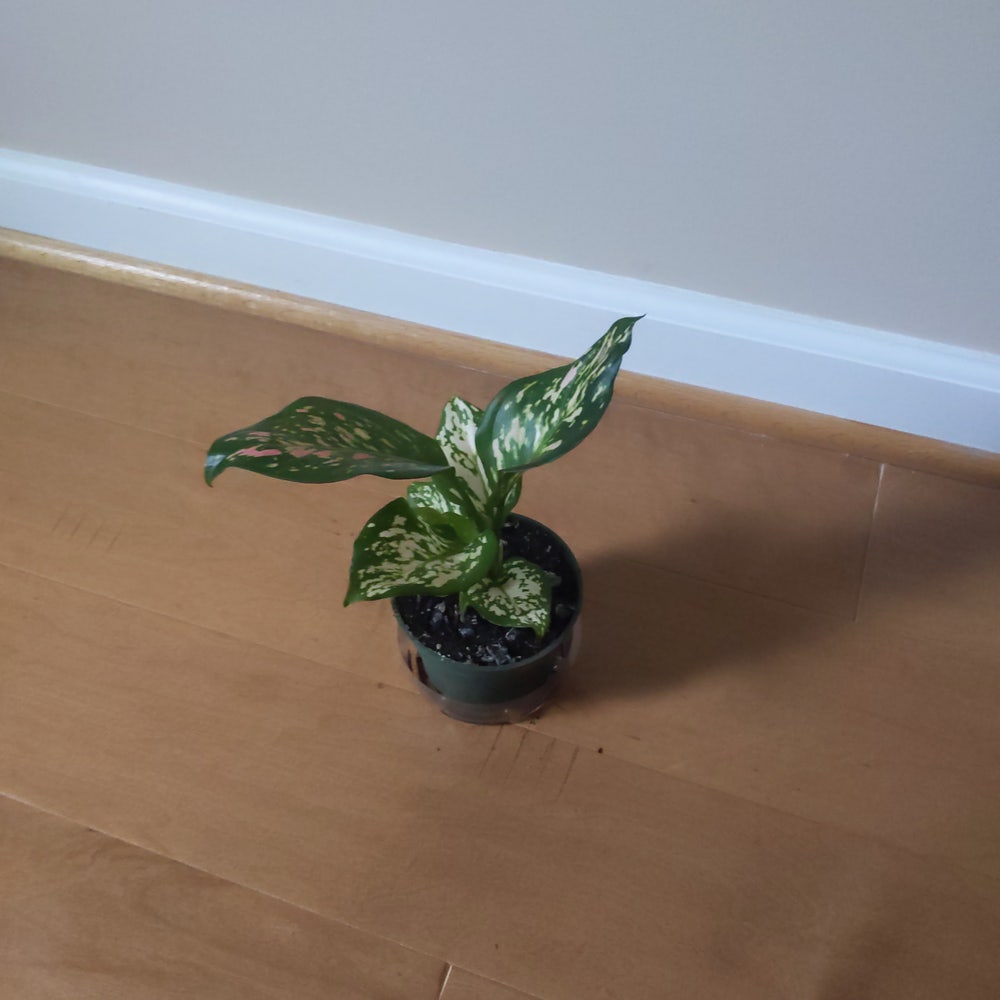
Am I Starving My Pink Dalmatian Aglaonema? Fertilizing 101
Aglaonema 'Pink Dalmatian'
By the Greg Editorial Team
Jun 18, 2024•5 min read
This article was created with the help of AI so we can cover more plants for you. May contain errors. See one? Report it here.
- 🌱 Look for pale leaves or slow growth to know when to fertilize.
- 🍽️ Use balanced NPK fertilizer during growth cycles for vibrant leaves.
- ⚠️ Avoid overfeeding; dilute liquids and sprinkle granules at the base.
When to Hit the Fertilizer Bottle
💡 Reading Your Plant's Signals
Your Pink Dalmatian Aglaonema will tell you when it's time to eat. Look for signs of nutrient cravings like pale leaves or stunted growth.
Seasonal cues are your go-to for fertilization timing. Expect to see your plant's appetite pick up during growth spurts in spring and summer, while it hibernates through the cold months.
💡 Timing is Everything
Spring and summer are prime time for fertilizing, aligning with your plant's natural growth cycle. This is when you'll see those leaves get lush and vibrant.
Adjust your fertilizing schedule to support blooming. If you notice budding, it's time to tweak your care routine to encourage those flowers to flourish.

Picking the Perfect Plant Food
🌱 NPK: The Magic Numbers for Your Aglaonema
NPK ratios are like secret codes to unlocking your Pink Dalmatian Aglaonema's potential. For this speckled stunner, a balanced fertilizer is the way to go. Think equal parts nitrogen, phosphorus, and potassium to support those flashy leaves and stems.
Some folks swear by a nitrogen edge for foliage that's more lush than a tropical rainforest floor. But remember, it's not just about the nitrogen. Your plant craves a well-rounded diet, so don't skimp on the phosphorus and potassium.
🏁 Comparing Liquid Gold vs. Time-Release Nuggets
Liquid fertilizers are the sprinters of the plant food world, quick to give your Aglaonema a nutrient rush. Perfect for when you're looking to give your plant a fast boost. But be warned, they can be potent and require regular application.
On the flip side, time-release granules are the marathon runners, slowly and steadily releasing nutrients. They're the set-it-and-forget-it option, ideal for the forgetful gardener. Just sprinkle and let them do their thing over time.
🌿 Organic vs. Synthetic: Making the Right Choice
Organic fertilizers are like a home-cooked meal for your plant—wholesome and slow-releasing. They improve soil health over time but don't expect an overnight transformation.
Synthetic options, on the other hand, are the plant equivalent of a fast-food fix—quick and targeted. They can give your Aglaonema an immediate pick-me-up, but they're not doing much for soil texture or microbial life.
Pros of organic: They're gentle, improve soil structure, and reduce the risk of over-fertilization. Plus, you're being kind to Mother Earth.
Cons of organic: They work slower than a sloth on a lazy day. If your Aglaonema is looking peaky and needs a quick fix, you might be waiting a while.
Pros of synthetic: Like a caffeine shot for your plant, they act fast and are easy to measure. Perfect for when your plant needs a quick turnaround.
Cons of synthetic: They can build up salts in the soil and, over time, might harm your plant. It's like eating takeout every day—not the best idea for long-term health.
In the end, whether you go organic or synthetic, it's all about balance and understanding your plant's needs. Just like people, plants need a varied diet to thrive. Choose wisely, and your Pink Dalmatian Aglaonema will reward you with growth so vibrant, it practically winks at you.

Serving the Right Portion
🌿 Mixing Up a Nutrient-Rich Cocktail
Liquid fertilizers are like a quick shot of nutrients for your Pink Dalmatian Aglaonema, but they can be too strong if not diluted properly. Half-strength solutions are generally recommended to avoid shocking your plant's system. Pour the diluted fertilizer onto the soil, not the leaves, to ensure the roots can absorb the nutrients without risking leaf burn.
🌱 The Scoop on Granular Fertilizer
Granular fertilizers act as a slow-release food source, providing nutrients over a longer period. Sprinkle them around the base of your plant, avoiding direct contact with the stem or leaves. After application, water your plant to help distribute the nutrients evenly through the soil.
🌾 Application Mastery
🌱 Getting to the Root of the Matter
Apply your chosen fertilizer at the base of the plant to target the root zone, where nutrient uptake happens. This method ensures that the nutrients are readily available to the plant's roots, promoting healthy growth.
📆 Frequency Fix
For liquid fertilizers, a bi-weekly or monthly schedule is ideal, while granular types may only need application every one to two months. Slow-release fertilizers can last for several months, reducing the need for frequent feeding. Always follow the package instructions to avoid over-fertilization, which can lead to nutrient burn and other health issues for your plant.

Oops, Too Much of a Good Thing?
🚨 Spotting the Tell-Tale Signs of Overindulgence
Your Pink Dalmatian Aglaonema is not a drama queen, but it will send distress signals when it's had too much fertilizer. Leaf discoloration, such as yellowing or browning at the tips, is like a plant's white flag of surrender. If you spot a crusty layer of what looks like salt on the soil, that's actually fertilizer buildup shouting for an intervention.
🚑 The Rescue Routine
When you've crossed the line from nurturing to overfeeding, it's time for some plant first aid. Stop the fertilizer immediately—your green buddy needs a break. Flush the soil with water to wash away the excess nutrients; think of it as a detox for your plant. Remember, it's a delicate balance: too much love can be just as harmful as neglect. Keep an eye on your Aglaonema and adjust your care routine accordingly. It's about finding that sweet spot where your plant thrives without the fertilizer hangover.
⚠️ Safety First
This content is for general information and may contain errors, omissions, or outdated details. It is not medical, veterinary advice, or an endorsement of therapeutic claims.
Always consult a qualified healthcare professional before using any plant as food, medicine, or supplement.
Never eat any plant (or feed one to pets) without confirming its identity with at least two trusted sources.
If you suspect poisoning, call Poison Control (800) 222-1222, the Pet Poison Helpline (800) 213-6680, or your local emergency service immediately.
Spotted an error? Please report it here.
Nourish your Pink Dalmatian Aglaonema just right with Greg's tailored fertilizing reminders 🌿, ensuring vibrant growth without the guesswork.